···
Log in / Register

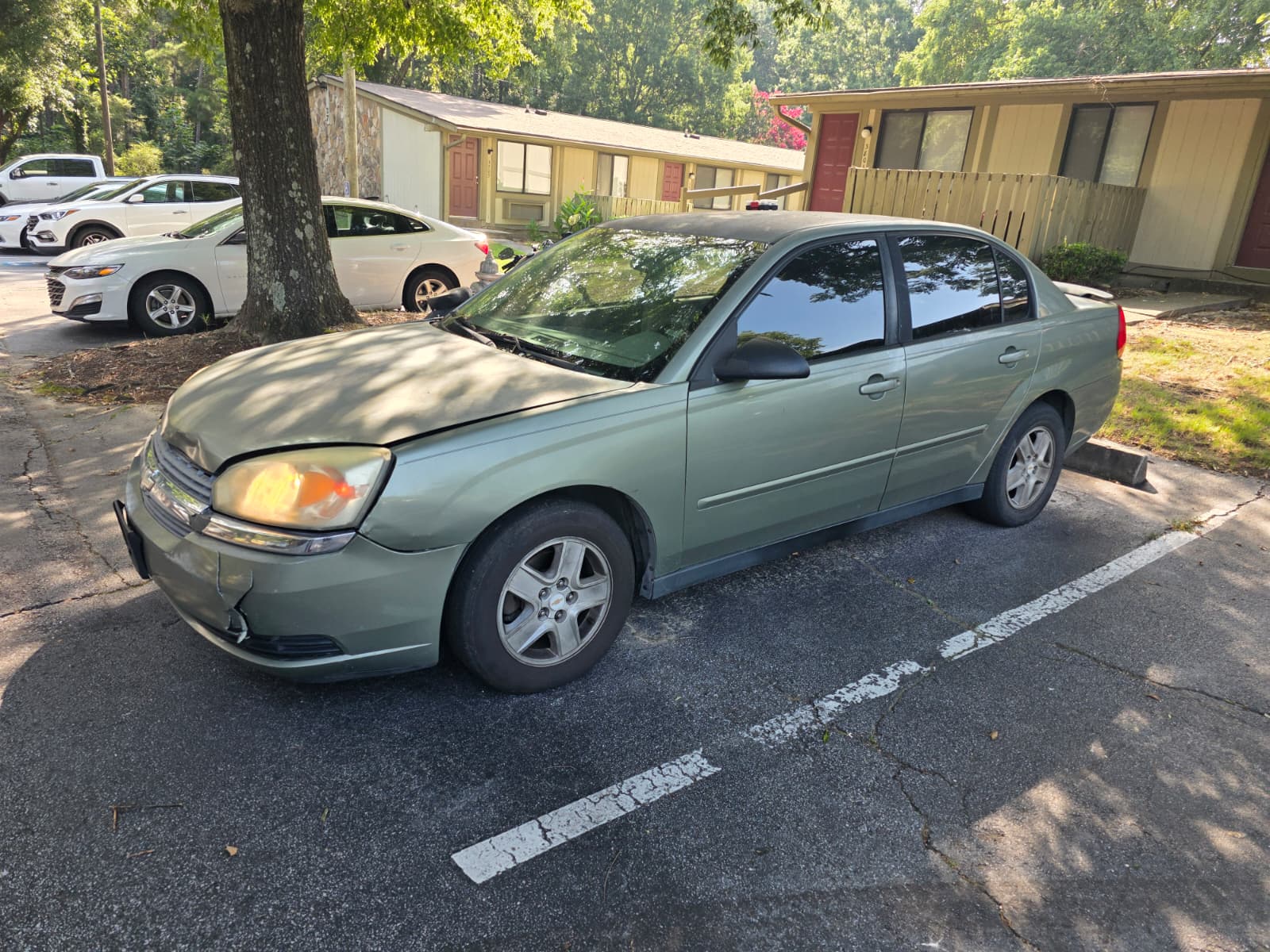
What is the treatment method for car paint cracking?

6Answers
LaEmiliano
08/29/2025, 12:49:13 AM

Car paint cracking treatment method is: sand the cracked paint area until a complete and smooth surface is exposed, then repaint. The causes of car paint cracking are: 1. Corrosive effects from bird droppings or tree sap on the paint; 2. Painting the car before the filler has completely dried; 3. Damage during transportation. Car paint maintenance methods include: 1. Clean dust from the car body promptly before, during, and after use to reduce static electricity attracting dust; 2. Rinse the car promptly after rain; 3. Wash the car after the engine has cooled, avoiding washing under direct sunlight or high temperatures to prevent detergent from drying and leaving marks; 4. Use clean, soft cloths or sponges to wipe the car, following the direction of water flow from top to bottom.

Was this review help?
101
Share
HeidiFitz
09/10/2025, 10:36:40 PM

My previous car had paint cracks, so I decided to fix it myself. My method was to first lightly sand the cracked area with sandpaper to remove old paint flakes and rough edges, then fill small cracks with putty. After it dried, I smoothed it with fine-grit sandpaper. Next, I sprayed on primer, waited for it to dry completely, then applied matching car paint, and finally coated it with clear lacquer for protection. The whole process was quite laborious, but I learned a lesson: investing in professional tools like a spray gun would yield better results and save rework. I recommend first assessing the crack depth; if it's minor surface cracking, DIY is feasible, but deep cracks require rust prevention since exposed metal can corrode. Parking in shaded areas and avoiding high-pressure water when washing can help prevent issues. In summary, DIY repairs save money but test your patience—poor preparation may cause secondary damage. I believe the key is to watch tutorials and practice more.

Was this review help?
12
Share
Expand All
VonMaximus
10/24/2025, 11:24:59 PM

When my car's paint developed cracks, I insisted on getting it repaired at a professional shop because it's not a minor issue. I've observed that cracking is often caused by prolonged exposure to sunlight or corrosion from cleaning agents. If left untreated, the cracks will expand, allowing rainwater to seep in and corrode the car's frame, making repairs more expensive. The repair shop technicians first use instruments to assess the severity of the cracks. If it's minor, they perform localized sanding and repainting; for severe cases, they repaint the entire car to avoid color discrepancies. From my experience, the cost ranges from a few hundred to several thousand, but the quality is guaranteed. Additionally, I prioritize maintenance by using UV-protective car wax, applying it monthly to slow down paint aging. When driving, I avoid routes with excessive vibrations to reduce physical impact. Overall, timely repair of paint cracks with professional handling is worry-free and safe—don't risk major losses over minor savings.

Was this review help?
7
Share
Expand All
FelixFitz
12/07/2025, 10:48:48 PM

I noticed cracks in my car's paint and handled it simply: first, I washed the car body, dried the cracked area with a soft cloth, lightly sanded it smooth, and then applied a special touch-up paint. Small cracks can be fixed with DIY methods, while major issues require a visit to the repair shop. For prevention, I park in a garage or under shade to avoid direct sunlight; I use mild detergent for washing to reduce chemical corrosion. I also apply wax monthly to protect the paint. This method is simple and effective.

Was this review help?
5
Share
Expand All
OLaila
01/27/2026, 11:58:38 PM

As a car enthusiast, when dealing with paint cracks, I first calculate the costs: buying tools and paint myself costs over a hundred, saving a few hundred by doing it myself, but it takes time. Professional repairs start at five to six hundred, but they're fast and reliable. I've tried fixing small cracks myself, but poor spraying can cause color differences, so I later learned to apply clear coat more evenly. For regular maintenance, I keep it hassle-free by parking in the garage, using fewer chemicals when washing, and waxing periodically, which reduces the risk of cracks by half. Overall, choose based on budget, with the focus on timely rust prevention.

Was this review help?
6
Share
Expand All
GageRose
04/23/2026, 04:45:28 AM

Paint cracking isn't just unsightly—it can lead to body rust and compromise structural integrity. I recommend first cleaning the cracks, smoothing them with professional sandpaper, then repainting. Ensure color matching when spraying, followed by polishing after drying. For prevention, avoid prolonged parking in hot areas and wash your car gently. This will extend your vehicle's lifespan.

Was this review help?
2
Share
Expand All
More Q&A

What is the difference between Vellfire and Alphard?

The differences between Vellfire and Alphard are: 1. Different dimensions: The length, width, and height of the Vellfire are 4975mm, 1850mm, and 1945mm respectively, with a wheelbase of 3000mm; the length, width, and height of the Alphard are 4975mm, 1850mm, and 1890mm respectively, with a wheelbase of 3000mm. 2. Different top speeds: The top speed of the Vellfire is 152 km/h; the top speed of the Alphard is 180 km/h. 3. Different fuel tank capacities: The fuel tank capacity of the Vellfire is 58L; the fuel tank capacity of the Alphard is 75L.
110
Share

How to Adjust the Time on a Chevrolet Cruze?

To adjust the time on a Chevrolet Cruze, follow these steps: 1. Press the one-touch start button in the vehicle's center console to power up the instrument panel; 2. Press the 'set' button on the left side of the steering wheel; 3. Use the up and down option toggle buttons on the right side of the steering wheel to adjust the vehicle time; 4. Press the 'OK' button on the steering wheel to confirm the changes. The Chevrolet Cruze is a compact sedan equipped with a 1.5L naturally aspirated engine, delivering a maximum horsepower of 114 HP and a peak torque of 146 Nm. The vehicle measures 4666mm in length, 1807mm in width, and 1460mm in height, with a wheelbase of 2700mm. It comes with a 6-speed manual transmission and has a top speed of 185 km/h.
104
Share

How to Get Through the Break-in Period of a New Car?

Methods to get through the break-in period of a new car are: 1. During cold starts, wait until the coolant temperature reaches above 40°C before moving off. Start gently by slowly releasing the clutch and accelerator pedal, and choose good road conditions for driving; 2. For a car in the break-in period, it is essential to control the driving speed—avoid excessive speed, ideally keeping it between 50 to 80 km/h; 3. Avoid using a single gear for extended periods. Start in a low gear and gradually shift to higher gears, driving progressively; 4. When braking during the break-in period, first press the clutch pedal to disengage the gear before applying the brake pedal. This reduces impact damage to the new car's engine, braking system, and chassis.
120
Share

What are the steps for starting the car in Subject 2 of the driving test?

The steps for starting the car in Subject 2 of the driving test are: 1. After getting into the car, before starting, you need to adjust the seat and rearview mirrors. The standard for the rearview mirrors is to be able to see the door handles on both sides through them. Make sure to fasten the seat belt—forgetting to do so will result in an immediate deduction of 100 points. 2. Before starting, check if the gear shift lever is in the neutral position. 3. Start the ignition with both the clutch and brake fully depressed. 4. Engage first gear, turn on the left turn signal, and release the handbrake. 5. If on flat ground, you can fully release the brake first, then gradually release the clutch to the semi-engaged state while gently pressing the accelerator pedal to start. If on a slope, maintain pressure on both the brake and clutch to avoid stalling.
106
Share

Does Maintenance Outside Affect Warranty?

Maintenance outside does not affect the warranty. However, there is a prerequisite: the repair shop you visit must have a Class II or higher qualification, and you must keep the maintenance list and invoice for each repair or maintenance. In this way, even if there is a problem, the 4S shop still has to honor the warranty. The following are expanded details from the Automobile Three Guarantees Law: 1. "Regulations on the Repair, Replacement, and Return of Household Automobile Products": According to Article 12, Chapter 3 of the "Regulations on the Repair, Replacement, and Return of Household Automobile Products" (Order No. 150 of the General Administration of Quality Supervision, Inspection and Quarantine), sellers of household automobile products must comply with the following requirements: clearly indicate the name, address, and contact information of the repairer agreed upon by the manufacturer, but consumers have the right to independently choose a repairer from the listed repairers, and sellers cannot restrict this choice. 2. "Consumer Rights Protection Law": According to Article 9, Chapter 2 of the "Consumer Rights Protection Law", consumers have the right to independently choose goods or services. This means that car owners have the right to compare, evaluate, and select, and independently choose a repairer that suits them during maintenance and repairs. 3. "Guidance on Promoting the Transformation and Upgrading of the Automobile Repair Industry and Improving Service Quality": Automobile manufacturers and their authorized sales and repair enterprises must not abuse automobile warranty clauses. As long as consumers use, maintain, and repair automobile products correctly according to the user manual, manufacturers cannot refuse the "Three Guarantees" policy on the grounds that the owner has performed maintenance at an external repair shop.
119
Share

Can Insurance Be Refunded After a Total Loss of the Vehicle?

Yes, it can be refunded. Compulsory traffic insurance (CTI) can be canceled under the following three circumstances: the insured vehicle has been deregistered; the insured vehicle has been officially declared out of service; or the insured vehicle has been confirmed as lost. The required materials for canceling the insurance are as follows: 1. Cancellation application: State the reason and time for cancellation, with the owner's signature for private vehicles or the company's official seal for corporate vehicles. 2. Insurance policy: The original policy; if lost, it must be reissued beforehand. 3. Insurance premium invoice: Generally, the original is required. 4. The insured's original ID: Business license for corporate vehicles or ID card for private vehicles.
112
Share
Cookie
Cookie Settings
© 2025 Servanan International Pte. Ltd.