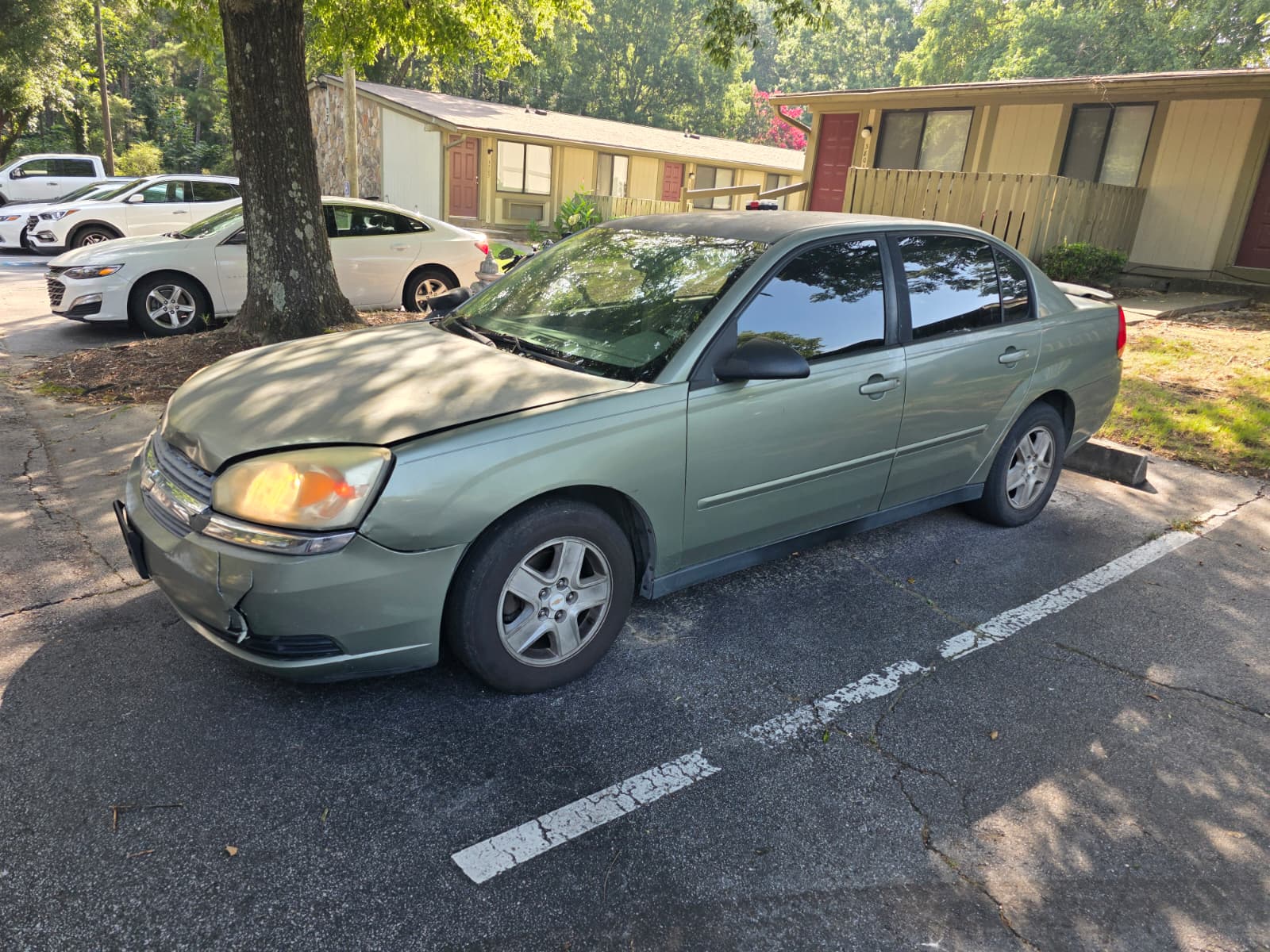
The safest first car for a teenager is a midsize sedan or SUV from a reputable brand, equipped with electronic stability control (ESC), side curtain airbags, and, ideally, automatic emergency braking (AEB). Models like the Toyota Camry, Subaru Legacy, Honda Civic, and Mazda 3 consistently top safety lists due to their structural integrity, moderate power, and advanced safety tech. Prioritizing these factors significantly reduces a new driver's risk.
Choosing a vehicle involves balancing safety ratings, vehicle dynamics, and cost. The core safety criteria are non-negotiable.
Vehicle Size and Type: Midsize and larger vehicles offer superior crash protection compared to smaller, lighter cars. The Insurance Institute for Highway Safety (IIHS) notes that midsize cars have lower driver death rates. Small SUVs can be a good compromise, offering a higher seating position and modern safety suites.
Essential Safety Features: Electronic stability control is critical, reducing fatal single-vehicle crash risk by approximately 43% according to IIHS data. Side curtain airbags that protect front and rear occupants are a must. For newer models, automatic emergency braking (AEB) is a game-changer for preventing front-to-rear collisions.
Power and Performance: Avoid high-horsepower sports cars, muscle cars, or high-performance variants. Moderate, predictable power helps manage a novice driver's learning curve.
Reliability and Budget: A reliable car prevents breakdowns in unsafe situations. Many excellent, safety-rated used cars are available well under $20,000, making safety accessible.
Based on IIHS Top Safety Pick awards and Consumer Reports recommendations, here are top choices categorized for clarity:
| Vehicle Type | Recommended Models (Model Years) | Key Safety Attributes |
|---|
| Midsize Sedans | Toyota Camry (2013+), Subaru Legacy (2013+), Honda Accord (2013+), Mazda 6 (2014+) | High scores in crash tests, standard ESC, widely available. |
| Small Cars | Honda Civic (2022+), Mazda 3 (2014+), Toyota Corolla (2017+), Subaru Impreza (2018+) | Top safety picks in their class, good visibility, often include AEB in newer years. |
| Small SUVs | Subaru Forester (2019+), Toyota Corolla Cross (2022+), Mazda CX-5 (2017+), Honda CR-V (2017+) | Higher ride height, standard advanced safety features in recent models, spacious. |
For families on a strict budget, the used car market holds exceptional value. Focus on models that achieved top safety ratings when new. A 2017-2019 Toyota Corolla is a quintessential choice, often found under $10,000, offering legendary reliability and good crash test scores. The 2014-2020 Mazda 3 is another standout, frequently named a IIHS Top Safety Pick. For a slightly taller option, a 2014-2016 Ford C-Max Hybrid provides the safety of a heavier vehicle and excellent visibility. When inspecting any used car, verify the ESC and airbag systems are functional and that the vehicle has a clean maintenance history. The goal is not just a safe car, but a car that remains safe and dependable.