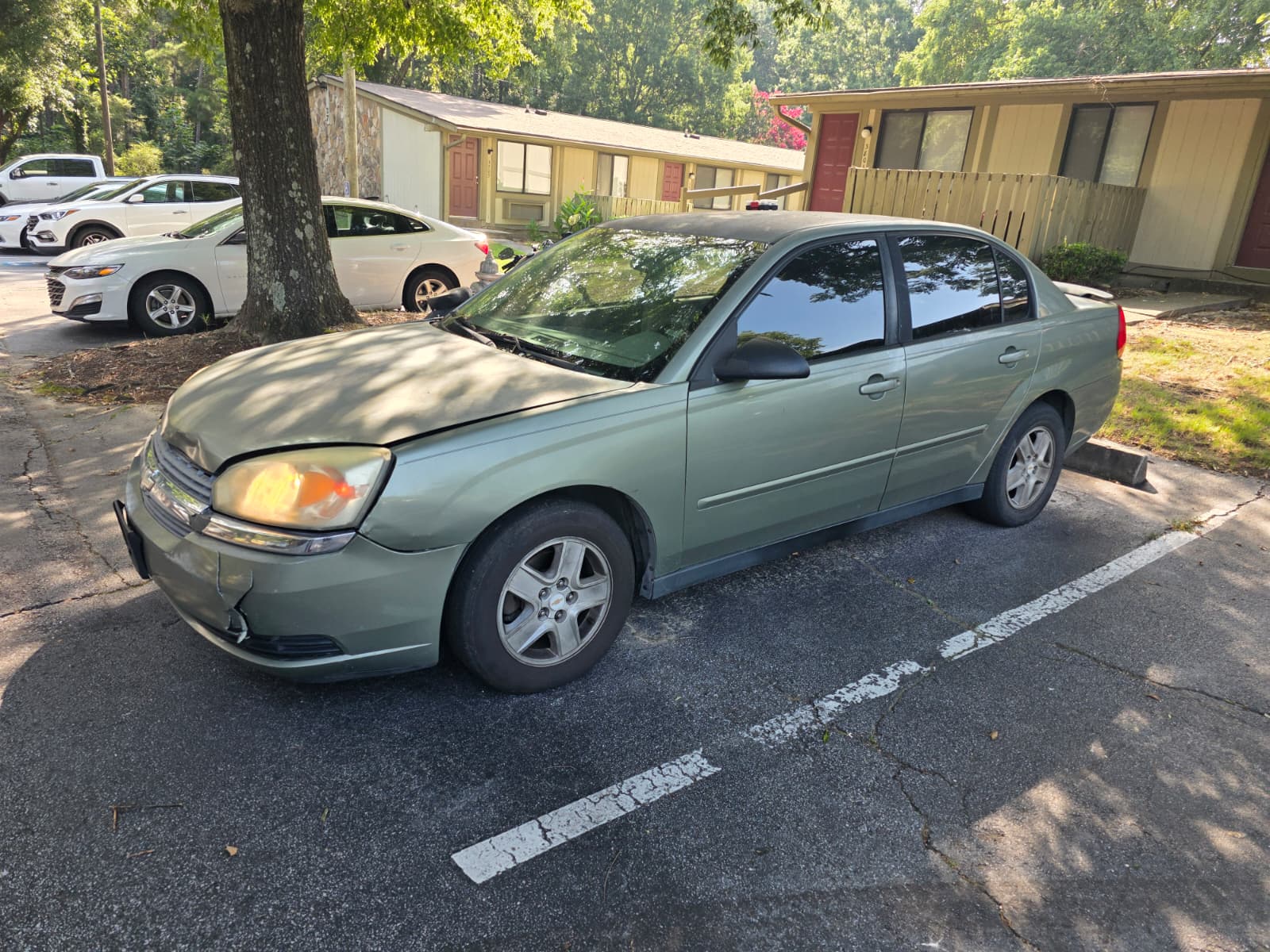
Car is typically required every 5,000 kilometers or every six months, which generally involves changing the engine oil, oil filter, and air filter. Engine oil serves multiple functions including cooling, lubrication, cleaning, and sealing, playing a crucial role in ensuring the engine operates properly. Car maintenance refers to the preventive work of regularly inspecting, cleaning, replenishing, lubricating, adjusting, or replacing certain parts of the vehicle, also known as car servicing. The scope of car maintenance primarily includes the engine system, transmission system, air conditioning system, cooling system, fuel system, power steering system, and more.

I've been driving for decades and truly believe in that old saying: car depends on two indicators, mileage and time. When you reach around 5,000 kilometers, it's time for maintenance, especially changing the engine oil to protect against engine wear. But don't delay on time either—if you've driven a few thousand kilometers, that's fine, but if the car sits unused for too long, maintenance is a must every 6 months, as the oil can deteriorate. My Volkswagen has over 200,000 kilometers on it, and I've followed this rule without any issues. Adjusting based on driving habits is crucial: in city traffic with frequent congestion, slow driving dirties the oil faster, so the maintenance cycle should be shortened. For long highway trips, even though you drive faster, the brakes and cooling system should be checked every 4,000km. Don’t forget seasonal impacts—check antifreeze before winter, and replace the AC filter in summer. Delaying maintenance can lead to major problems. A friend of mine tried to save money by skipping it and ended up spending thousands on an engine overhaul. Timely maintenance ensures peace of mind, safety, and a longer-lasting car.

As a commuter who drives to work every day, I've found that there's no absolute standard for car intervals—it mainly depends on which comes first: time or mileage. I drive a Hyundai Elantra and take it to the 4S dealership for maintenance every 6 months, regardless of whether I've driven 2,000 or 7,000 kilometers. Time intervals are crucial because oil performance deteriorates after 6 months, and parts age faster. But mileage is also a reference: typically, maintenance is recommended between 5,000 to 8,000 km. New cars can go up to 10,000 km, while older cars should stick to under 5,000 km. Driving habits make a big difference: frequent stop-and-go city driving raises oil temperatures, requiring more frequent maintenance every 3-4 months. If you mostly drive on highways, you can stretch it to 8,000 km, but the braking system needs extra attention. Don’t just rely on the manufacturer’s manual—adjust flexibly based on your usage. Maintenance isn’t just about oil changes; replacing the A/C refrigerant is also important, as poor cooling in summer is miserable. Once you develop good habits, your car is less likely to break down, and the costs average out to be quite affordable.

I'm a very cautious driver and believe that a car should be serviced every 5,000 kilometers. Although the manufacturer recommends 10,000 km for new cars, I insist on doing it earlier for peace of mind. Changing the oil and filters is fundamental to prevent minor engine issues from turning into major repairs. Don't exceed six months between services, as oil degrades quickly and affects safety. Road conditions also matter: bumpy rural roads may require more frequent , around every 4,000 km, while smooth city roads allow for slight delays. Regular maintenance should include checking tire pressure to prevent blowout risks. Developing this habit ensures worry-free car usage.

As someone who frequently drives on highways, I get my car serviced every 4,000+ kilometers. The shorter interval is because long-distance driving puts more strain on the engine and consumes oil faster. I service my car every three to four months or every 4,000 km, whichever comes first. Aggressive driving with frequent overtaking and acceleration naturally shortens the cycle. However, for regular commuters, waiting until 6,000 km or six months is fine. Consider your environment: in dusty areas, change the air filter more often; in congested cities, oil gets dirty faster, so check it regularly. Don’t just change the oil—remember to replace the power steering fluid and brake fluid periodically. Once I forgot, and the steering became heavy, nearly causing an accident. Sticking to a maintenance plan saves money and keeps your car running smoothly.

As someone who enjoys tinkering with cars, I believe intervals should be considered comprehensively: typically, you should go for maintenance every 5,000 to 8,000 kilometers driven, with new cars at 7,500 km and older cars at 5,000 km being sufficient. Time-wise, a maintenance check every 6 months is a must and should not be overlooked. Driving habits play a significant role: gentle driving can extend the interval to 10,000 km, while frequent hard braking can shorten it to 3,000 km. Environmental factors are also crucial: in polluted urban areas, maintenance should be more frequent, while in rural areas with cleaner air, it can be slightly extended. Maintenance includes a comprehensive inspection, such as checking tire wear and battery aging to prevent breakdowns. Using an APP to set reminders ensures you don't miss the cycle. Maintaining this practice over the years saves on repair costs and keeps the car durable.