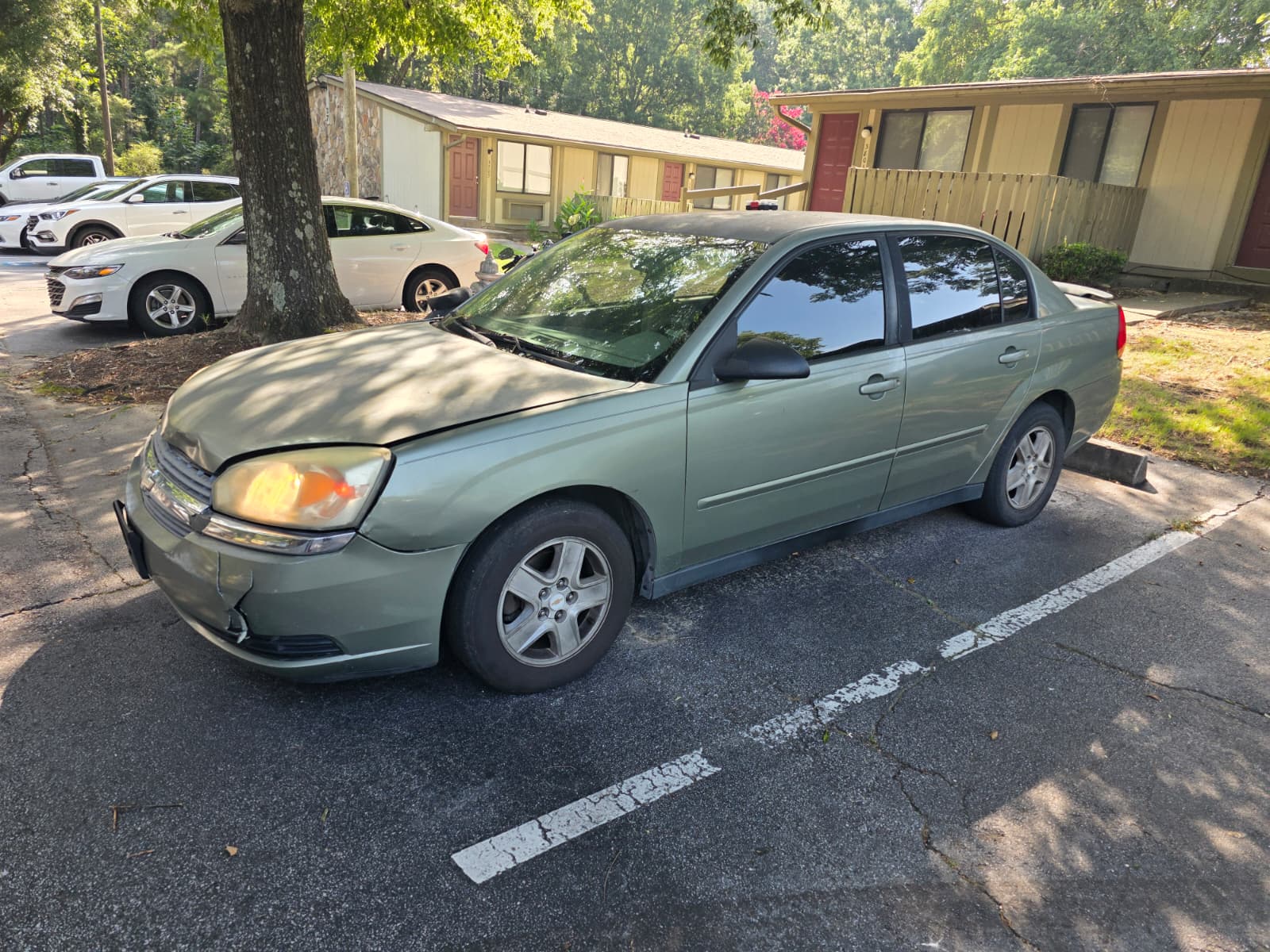
Polishing and waxing the entire car typically takes about 3 hours. Here are the specific details: 1. Benefits of Polishing and Waxing: Waterproofing Effect: Reduces watermarks, dark spots, rust, and damage on the paint surface; Anti-Aging Effect: Minimizes UV damage to the paint, extending its lifespan; Gloss Enhancement: Improves the smoothness of the car paint to varying degrees, making the body color more vibrant; Anti-Static Effect: Reduces damage to the paint caused by friction with dust, wool fabrics, synthetic fibers, etc., in the air; Anti-Corrosion Effect: Effectively isolates the paint from damage caused by acid rain and acid mist. 2. Introduction: As a traditional aspect of car detailing, car waxing has garnered increasing attention from drivers. However, traditional car waxing primarily focuses on gloss protection. With the development of the car detailing industry, car waxing has been given new meaning, particularly with the emergence and widespread application of polishing wax.

I enjoy doing car myself, and polishing and waxing the entire car depends on the size and condition of the vehicle. My sedan isn't too large, so the whole process takes about three to four hours: first, thoroughly clean the car body to remove dust and stains; then slowly polish away scratches and rust with a polishing machine—this step takes the most time; finally, apply wax evenly and buff it to a shine. The advantage of DIY is saving money, but you must choose the right tools, such as a professional polishing machine, which is much faster than doing it by hand. If the car is in poor condition with many scratches, the time required increases, sometimes taking an entire afternoon. It's best not to rush the process, as poor results may cause the wax layer to peel off easily. Regular maintenance can make the car paint look brand new and extend its lifespan.

As a frequent visitor to car washes, a full car polish and wax at a professional shop usually takes one to two hours, but the exact time depends on the size of the car. Since I drive a larger SUV, the technician said mid-sized cars take at least an hour and a half; smaller cars might be quicker. They also consider the condition: if the car is in good shape, polishing followed by waxing is faster; if there are many scratches or the paint is aged, repeated sanding extends the time. I recommend asking for details before booking, as different shops use varying equipment and products—premium shops are more efficient but slightly pricier. After the service, avoid driving in the rain immediately; wait for the wax to dry for proper water and dust resistance. Overall, leaving it to professionals saves time and effort.

I'm new to car ownership and not very familiar with this, but based on my friends' experiences, polishing and waxing the entire car usually takes about one to three hours. The key factor is the extent of treatment needed: a simple job may take less time; if there are severe scratches on the car, the process will take longer. Weather and location also matter – working indoors with air conditioning is more comfortable, while outdoors you should avoid direct sunlight. Last time I did it myself in my neighborhood, it took nearly two hours, and I ended up wasting wax due to uneven application. It's best to start with washing the car to ensure the surface is clean before proceeding, otherwise it affects both the results and safety. Pro tip: perform regular check-ups and after the job.

The time for a full car polish and wax really depends on the details. I usually do once a week. At a professional shop, it takes about one to two hours, but DIY might take longer. The size of the car is key—larger vehicles like pickup trucks require more time. Tools also matter; an automatic polisher speeds up the process. The condition of the car plays a big role—older paint takes more time to polish. It's best to do it in the morning during summer, as high temperatures can cause the wax to dry too quickly, affecting coverage. After finishing, wait until it's completely dry before driving to avoid attracting dust. It's advisable not to do it all at once; breaking it into steps is more stable. The long-term benefits include corrosion protection and enhanced shine—a few extra minutes for lasting protection is worth it.

I'm always too busy with work to find a solid block of time, and a full car polish and wax usually takes about two hours at the shop. The trick is to call and consult with the technician in advance—they can estimate based on the car model and issues: a regular car might take ninety minutes, while SUVs or cars with scratches may take longer. High-efficiency tools are key; an electric polisher is much faster than manual work. If you're doing it yourself without experience, expect to spend three to four hours. Factors like weather matter—avoid rainy days. Choosing quick-curing wax can save time. Every time I finish, my car looks shinier and more durable, saving on repair costs. Remember, don’t rush at the expense of quality—safety first, ensuring even application.