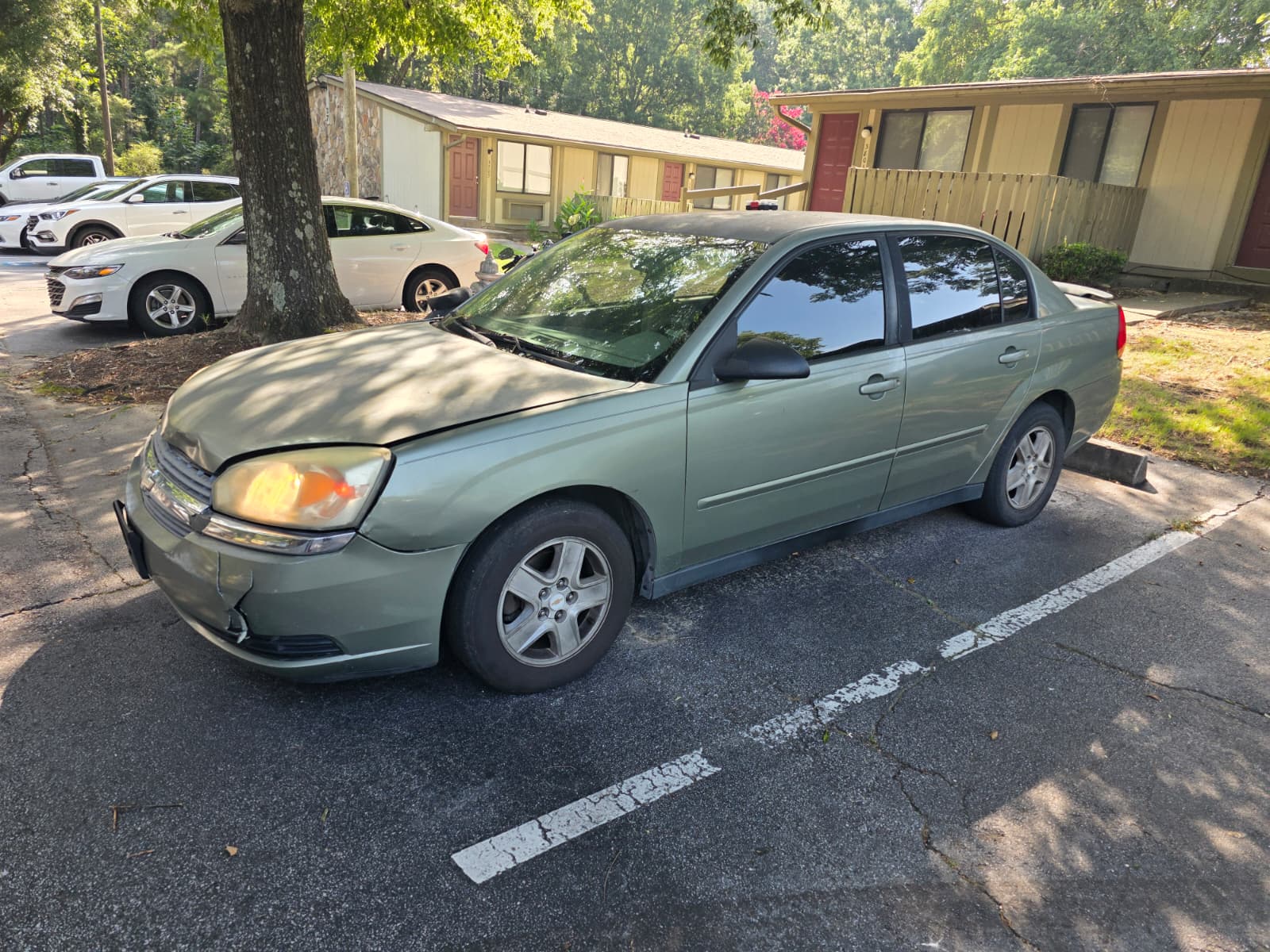
Driving through deep water requires for the car, as driving through water can easily damage the engine and potentially lead to the vehicle being scrapped. Therefore, after driving through deep water, the car should undergo a comprehensive inspection and maintenance. Below are some relevant points about driving through water: 1. Drive in a low gear: Use a low gear (for automatic transmission vehicles, shift into the hill-climbing gear) and drive slowly and steadily through the waterlogged area while maintaining control of the steering wheel. Be aware of any potholes or gaps beneath the water. 2. Do not restart the engine if it stalls: If the vehicle stalls in a waterlogged area, remember not to restart the engine. A stalled engine indicates that water has entered the cylinders. Restarting the engine can cause severe damage to the piston connecting rod components due to the incompressibility of water, potentially leading to the complete failure of the engine.

After driving through deep water, the car indeed needs . Water can seep into the engine compartment, especially the intake system, which is prone to sucking in water and debris, leading to clogging and making the engine hard to start. It may also cause internal rust and corrosion due to accumulated water. The braking system can also be affected, as wet and slippery roads reduce braking efficiency, and residual moisture can corrode and thin the brake pads or discs. Electronic components, such as battery wiring or control modules, are at high risk of short circuits if water enters, potentially causing sudden failures in the future. I usually drive carefully to avoid puddles. If I’ve already driven through deep water, I make sure to wash the chassis to remove mud and sand, then take it to a professional shop for inspection to prevent small issues from turning into major problems that could affect safe driving.

After driving through deep water, I believe is essential. Focus on inspecting the brake system, as water can reduce braking power, leaving moisture that corrodes components, leading to sluggish brakes or unusual noises. The suspension and shock absorbers are also prone to being submerged; if water enters internally, lubrication decreases, accelerating wear and even causing premature failure. Mud and debris sticking to the chassis should be cleaned promptly, as prolonged exposure can corrode the metal frame and shorten the vehicle's overall lifespan. It's advisable to visit a repair shop as soon as possible after driving through water to have a technician thoroughly inspect and clean the relevant areas, ensuring everything is in proper working order for peace of mind.

After driving through deep water, key parts of the vehicle may be damaged, and is essential. The most critical area to pay attention to is the electrical system. Water seeping into the engine computer or sensors can easily cause short circuits and burnouts, which are costly to repair. If the battery terminals get wet, they can corrode the connections, leading to unstable power supply and flickering lights. Additionally, the chassis and exhaust pipe should be thoroughly cleaned to prevent water accumulation and rust that could affect performance. I always take the time to rinse the car briefly after wading through water and then send it for inspection, as small preventive costs can ensure greater safety.

After driving through deep water, proper is crucial to prevent corrosion issues. When water is deep, mud and water can accumulate under the chassis and hood. If not promptly rinsed and removed, metal parts can quickly rust and perforate, especially the exhaust pipes, where standing water accelerates corrosion and significantly reduces lifespan. Seals and dust covers may also loosen and allow water ingress, requiring inspection to ensure no leaks. Additionally, brake and suspension systems wear faster in wet conditions, and neglecting repairs can lead to unstable driving and wobbling. I recommend immediate post-flooding treatment, including thorough cleaning and evaluation, to protect the vehicle for long-term durability.

I once drove through deep water and later experienced difficulty starting the car without performing . The lesson learned is that inspection and maintenance are essential, as water may enter the exhaust system, causing internal corrosion, rust buildup, and debris accumulation, which can lead to backfiring or stalling over time. Brake pads, when wet, have reduced friction coefficients and can retain moisture, leading to corrosion and failure. Electronic components, such as sensors, can short-circuit if water enters, causing frequent flashing of warning lights. Since then, I always take my car to the shop to clean the undercarriage and engine bay, and perform circuit tests to ensure everything is normal, making driving more reassuring and worry-free.