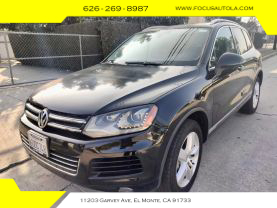
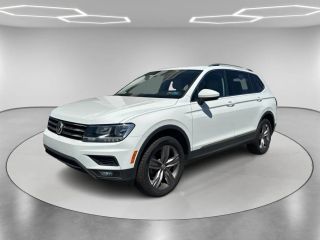
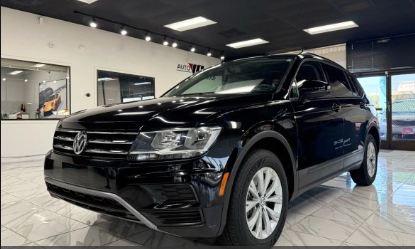
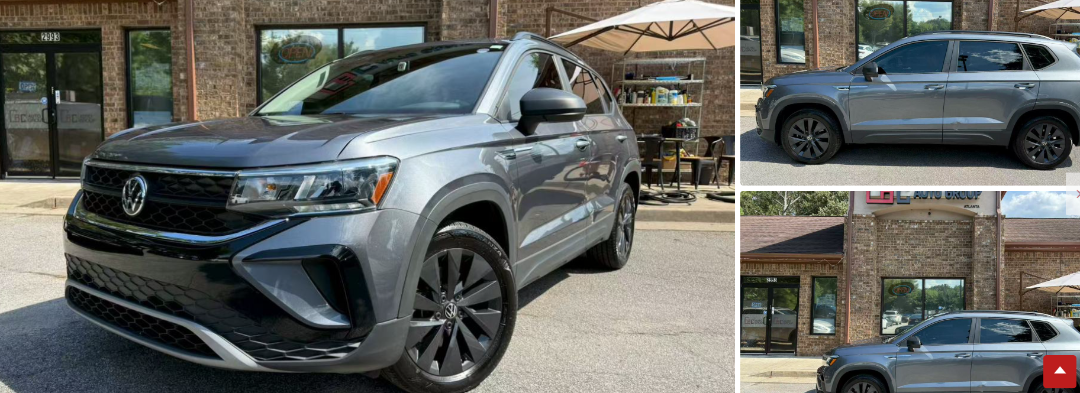
Tacqua is affordable yet well-equipped for the following main reasons: 1. High modularity saves significant costs: The engine, chassis, and even the exterior and interior styling of the Tacqua are modular products. This is why cars often give people a very similar impression. Modular production means various components can use the same molds and standards, saving considerable costs in research and development, allowing the vehicle's pricing to be lower compared to competitors and offering greater discounts. 2. Diverse powertrain options: The Tacqua offers three powertrain options: 1.5L, 1.2T, and 1.4T. From the powertrain configurations of different models, it's clear that the 1.5L version is the main focus. It's important to note that the engine accounts for a large proportion of a car's cost. Savings here can elevate the vehicle's configuration level, which is why the Tacqua's configurations across all trims are quite generous. 3. Average interior materials: Small SUVs from joint-venture brands generally use average materials and craftsmanship, naturally to save costs. Inside the Tacqua, most touchable areas are made of soft-touch plastic materials. Although they have some texture, they still feel very plasticky. Despite being a highly modular product, Volkswagen's mature technology ensures there are no major issues in the overall vehicle design.

As a seasoned car enthusiast who often helps friends choose vehicles, I've noticed that the Tacqua is so affordable primarily because it's positioned as an entry-level product in the compact SUV market. Unlike its more upscale sibling, the Tiguan, the Tacqua is smaller in size, offering adequate but not excessive space, which helps keep the starting price low. Volkswagen also utilizes shared platform technology extensively, such as sharing parts with the Polo, enabling cost savings through mass production. The interior materials may feel a bit plasticky, but there are no major issues. Compared to the Honda XR-V, the Tacqua comes with more basic configurations and lacks some smart features, but it's several thousand yuan more budget-friendly, making it a practical choice for families with limited budgets. It drives steadily and is well-suited for daily commutes.

I'm someone who loves to analyze the economics of cars. The affordability of the Tacqua actually comes from meticulous cost control. They use standardized parts and a global procurement strategy, making production easier by avoiding the need to design everything from scratch, which reduces development costs. Material choices are more practical—seat leather might be basic but is stain-resistant, and things like headlights are standard models. Competitors like the Toyota C-HR offer more features but at a higher price, while the Tacqua simplifies functions to bring down costs, making it ideal for those seeking value for money. Maintenance is also convenient, with readily available and affordable spare parts.

From my previous experience driving the Tacqua, its lower price point is due to the brand strategy targeting young people and first-time car buyers. introduced this model to attract new customer segments, positioning it at an entry-level price point without the luxury features of high-end vehicles but remaining practical. Compared to other Volkswagen models, the Tacqua uses slightly more cost-effective materials but maintains reliable quality, with minimal issues over several years of use. The price advantage stems from high production volumes and localized manufacturing, allowing cost reductions to compete with Japanese brands in the Chinese market.

As an experienced car repairer, I believe the affordability of the Tacqua comes from its simplified design and practicality. The body structure is straightforward and easy to manufacture, with many shared parts reducing R&D costs. Interior materials are cost-saving, like using basic plastics, but the sturdiness is acceptable. Compared to the EcoSport, it has fewer features but offers lower fuel consumption and saves money on gas. The advantage of being cheap is the low entry barrier, while the downside is that it might have more minor issues, but maintenance isn't difficult.

When test-driving the Tacqua, I felt it was a great value for its price, as positions it as an economical SUV. Its compact size makes parking easy, and while the interior space is reasonable, it's not overly luxurious, which naturally keeps the price low. They use a modular platform in production to reduce costs, and shared parts also make repairs more affordable. Competitors like the Hyundai ix25 offer slightly higher configurations but at a higher price, while the Tacqua targets the youth market with its affordable strategy, making it quite suitable for city driving.