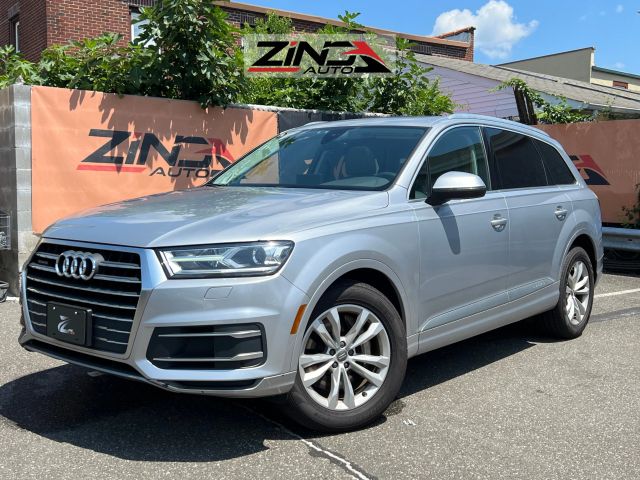
The Q5 comes in four models, all with a tire width of 235mm. The base model "Jinqu" and the top-tier "Luxury" model feature 17-inch and 19-inch wheels, respectively, while the mid-range "Technology" and "Comfort" models both come with 18-inch wheels. Below are some details about the Audi Q5: 1. The Audi Q5 inherits many of the advantages of the third-generation top-tier SUV, the Audi Q7. Its powerful and efficient green engines, quattro all-wheel-drive system, and responsive driving mechanics ensure excellent performance both on highways and off-road. 2. The application of new technologies such as the 7-speed dual-clutch Stronic transmission and "Audi Drive Select" once again embodies Audi's brand philosophy of "Vorsprung durch Technik" (Advancement through Technology). 3. The design of the Audi Q5 incorporates many elements from the new-generation Audi styling represented by the A4 and A5, including LED headlights. However, the overall proportions of the Q5 are derived from the Q7, blending traditional SUV proportions with contemporary Coupe elements—a typical crossover approach.

If you drive an Q5, the tire specification is usually 235/55 R19. Here, 235 refers to the tire width in millimeters, 55 is the aspect ratio (height as a percentage of width), and 19 indicates the rim diameter in inches. These dimensions affect driving stability and comfort. For example, in my daily driving, this configuration works well on city roads, providing sufficient grip during high-speed turns and relatively low tire noise. If you switch to non-compliant sizes, fuel efficiency may decrease, and tire wear could accelerate. It's recommended to regularly check tire pressure, maintaining it at 2.3-2.5 bar, and avoid sudden braking or sharp turns to prolong tire life. When purchasing new tires, opt for brands like Michelin or Pirelli for reliable quality and better fuel efficiency.

I've been driving an Q5 for several years, and the tire specification is usually 235/55 R19. This size performs steadily and comfortably on paved roads. Once, I had to replace the tires due to severe wear and found that incorrect sizing affected the ABS system response, posing significant safety risks. I recommend fellow drivers refer to the owner's manual to confirm the exact specifications, not just the wheel size. For winter, consider snow tires of the same size but with deeper tread patterns to enhance traction on ice and snow. Replace the tires before the tread wears down to 1.6mm to avoid blowouts and accidents.

As a young driver, I'm quite particular about the Q5's tire specs of 235/55 R19. While large rims look stylish, the thicker sidewalls can dampen driving excitement. For more agility on mountain roads, you could consider upgrading to 255/45 R20, but be mindful of size compliance and fuel efficiency. Regularly clean the tread to prevent debris from getting stuck in grooves, and check tread depth during maintenance.

The Q5 tire specification 235/55 R19 is crucial for driving safety, as it determines braking distance and wet road grip. Since I carry children in my family car, I always check the tire pressure to be around 2.4bar to prevent blowouts. In winter, I switch to snow tires of the same size—safety comes first, don't skimp on this expense. When replacing tires, choose the original matching brand to avoid excessive speed and accelerated wear.

Talking about Q5 tires, 235/55 R19 is the standard, but enthusiasts might upgrade to 255-width tires for better performance. The size affects fuel consumption; my long-distance test shows the standard size saves 0.5 liters per 100 kilometers. The spare tire is also important—keeping a full-size spare in the trunk prevents emergencies, and regular rotation extends its lifespan. Pay attention to balance during use to avoid suspension damage on bumpy roads.