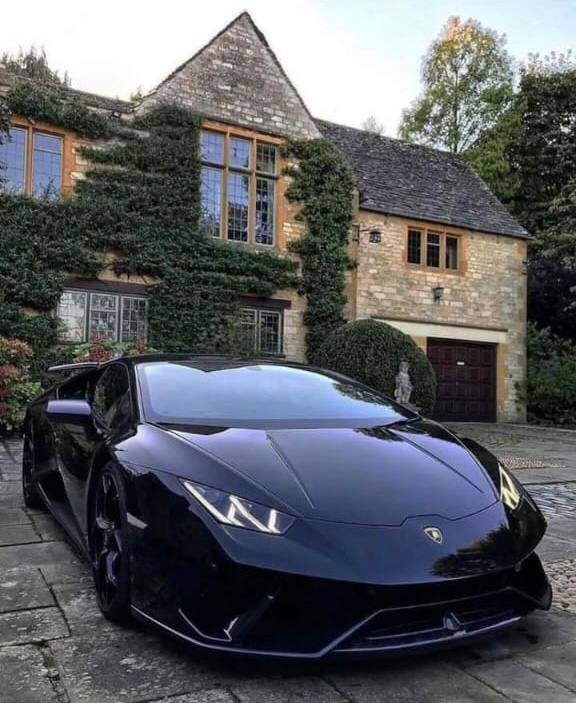
The Ferrari F40 is widely regarded as the most loved supercar globally, revered for its pure analog driving experience and status as Enzo Ferrari's final project. However, contenders like the McLaren F1 for its engineering brilliance and the Porsche 911 for daily usability also command immense affection among enthusiasts.
Determining the "most loved" supercar involves balancing historical significance, driving emotion, and cultural impact. Industry data from classic car valuation experts like Hagerty consistently highlights the Ferrari F40 as a top performer in collector sentiment and auction prices, often exceeding $2 million for pristine examples. Its raw, twin-turbo V8 engine and unfiltered mechanical feedback create a visceral connection that modern digital supercars often lack.
The McLaren F1 remains a benchmark for engineering excellence. With a naturally aspirated V12 engine propelling it to 240 mph, it held the world's fastest production car title for years. Its central driving position and three-seater layout, coupled with a Le Mans 24 Hours victory, cement its legendary status. Market records show well-maintained F1s have appreciated beyond $20 million, underscoring its desirability.
For everyday admiration, the Porsche 911 stands out. Its reputation for reliability and usability makes it a unique supercar that can be driven daily. Models like the 911 GT3 retain a manual transmission and high-revving flat-six engine, offering engagement without sacrificing practicality. According to automotive reliability studies, the 911 frequently tops lists for sports car dependability.
Other icons include the Lamborghini Countach, which defined the wedge-shaped exotic car silhouette in the 1970s and 1980s, and the Porsche Carrera GT, celebrated as the last great analog supercar with its manual V10 engine. These models excel in design drama and driver involvement.
Key factors driving love for these supercars:
- Brand Heritage: Ferrari's racing pedigree and Italian passion provide unmatched emotional appeal.
- Driving Experience: Analog models like the F40 and Carrera GT offer tactile, manual control preferred by purists.
- Design & Drama: Lamborghini's bold aesthetics create instant recognition and excitement.
- Engineering Excellence: The McLaren F1's innovative solutions remain influential decades later.
While the Porsche 911 is the top choice for high-performance daily use, the Ferrari F40 holds an unmatched iconic status for its historical moment and pure driving thrill, making it the most loved in global enthusiast circles.