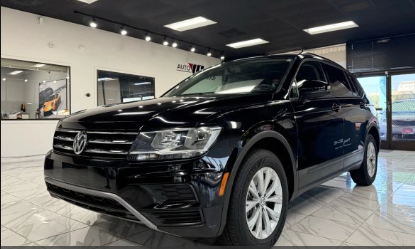
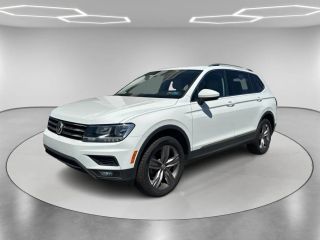
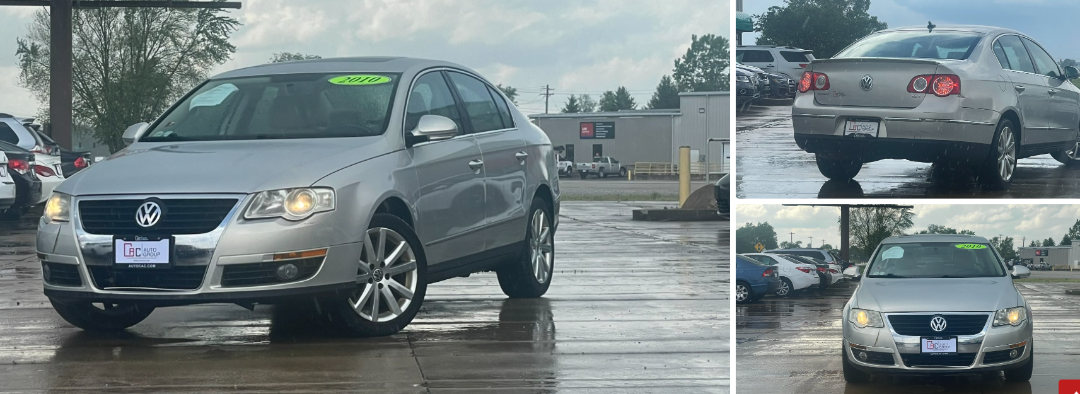
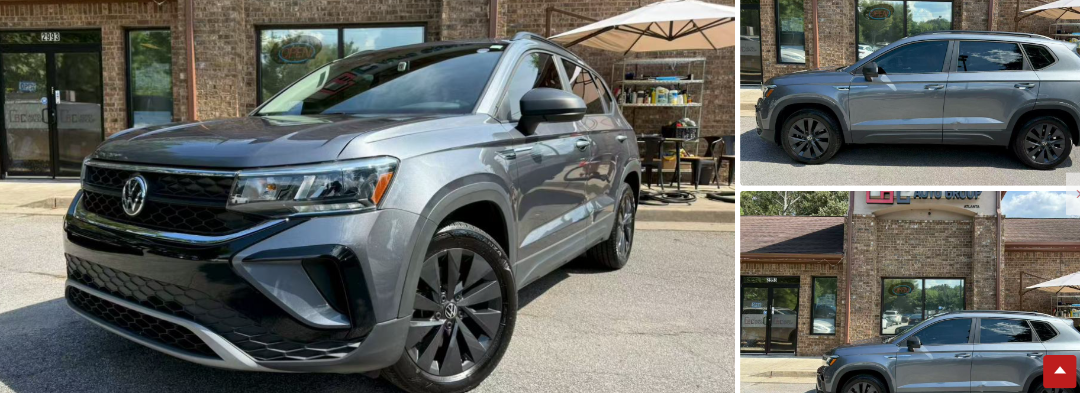
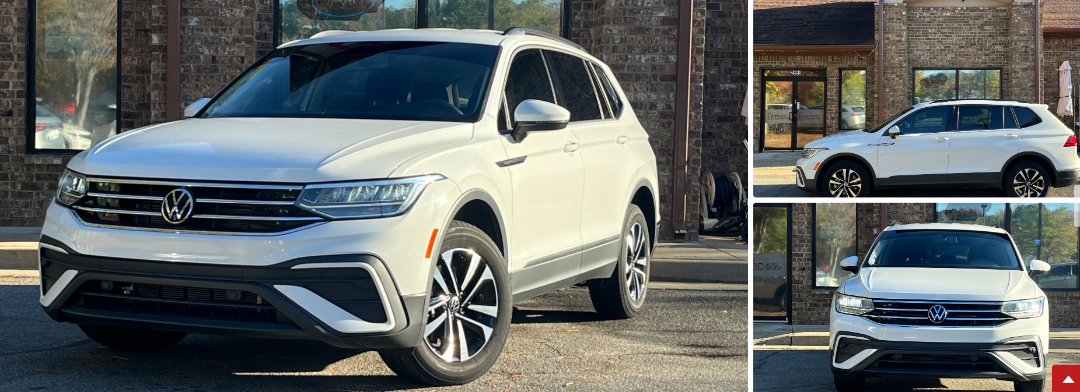
Volkswagen's pure electric vehicles include the Bora, Golf, Lavida, and Golf New Energy, totaling four models. Bora: The pure electric version retains the advantages of the fuel-powered model, such as spacious interior and high practicality. In terms of power, it is equipped with a permanent magnet synchronous motor with a maximum power of 100 kW and a maximum torque of 290 Nm. The transmission system features a single-speed gearbox for electric vehicles. Golf: It is powered by a 100 kW motor. The powertrain includes a permanent magnet synchronous motor with a maximum power of 100 kW and a maximum torque of 290 Nm, sharing the same powertrain system as the Bora pure electric version. Lavida: Based on the new-generation Lavida, this pure electric vehicle is built on the MQB platform and is essentially a fuel-to-electric conversion model. Golf New Energy: This is an imported new energy pure electric vehicle under the brand.

Recently, I've been researching the electric vehicle market and have thoroughly examined Volkswagen's pure electric product lineup. Currently, Volkswagen's pure electric vehicles mainly consist of five core models from the ID family: the compact and agile ID.3 hatchback serves as the entry-level model; the ID.4, a compact SUV, is highly popular globally and won the European championship last year; the ID.5 is a sporty SUV with a coupe-like design; the China-exclusive ID.6 seven-seater SUV caters to large family needs; and the ID.Buzz multi-purpose vehicle revives the classic T1 styling. In addition to these five available models, the soon-to-be-mass-produced ID.7 sedan has already started taking pre-orders. All these models utilize the MEB pure electric platform, with a typical range between 400-600 kilometers. Volkswagen plans to launch ten new pure electric models by 2026.

VW's current pure electric vehicle lineup mainly consists of the ID series, with five models available that I've counted. The ID.3 is about the size of a Golf but features an all-touchscreen interior; the ID.4 SUV is practical and ubiquitous on European streets; the ID.5 has a sharply sloping rear resembling a sports car; the China-exclusive ID.6 boasts a wheelbase over 3 meters; most interesting is the ID.Buzz, which drives like a van but comes with autonomous driving. All these vehicles support OTA updates for their infotainment systems, and they don't lose much range when using heaters in winter. VW has also partnered with for charging station compatibility. The upcoming ID.7 sedan will offer a range of up to 700 km.

As a car owner, I'm well aware of the pros and cons of Volkswagen's pure electric vehicles. Currently, there are five main models: the ID.3 is the right size for school runs; the ID.4 offers higher ground clearance for better visibility; the ID.5 features a hatchback-style trunk; the China-exclusive ID.6 has a third row that can accommodate adults; and the ID.Buzz boasts super-sized storage space. Charging-wise, a home charger takes 6 hours for a full charge, while a fast charger can get you to 80% in 40 minutes. The comes with an 8-year or 160,000-km warranty, which is more reliable than what some new automakers offer. However, the infotainment system is a bit sluggish, and turning on the AC in summer reduces the range by about 20%. I've heard the upcoming ID.7 will feature a new motor for faster acceleration.

Recently to switch to an electric vehicle, I specifically compared mainstream brands. Volkswagen currently offers five pure electric models: the ID.3 and ID.4 mainly sold in Europe, the ID.6 exclusively for the Chinese market, plus the niche ID.5 and ID.Buzz. The ID.4 is the most balanced, with its rear-wheel-drive version consuming around 15 kWh per 100 km. The actual range is about 10%-15% less than the official data, but the heat pump air conditioning saves a lot of power. The car price includes seven years of free charging benefits, which is quite practical. I'm particularly interested in the ID.7 station wagon to be launched next year, which is said to hold 800 liters of luggage.