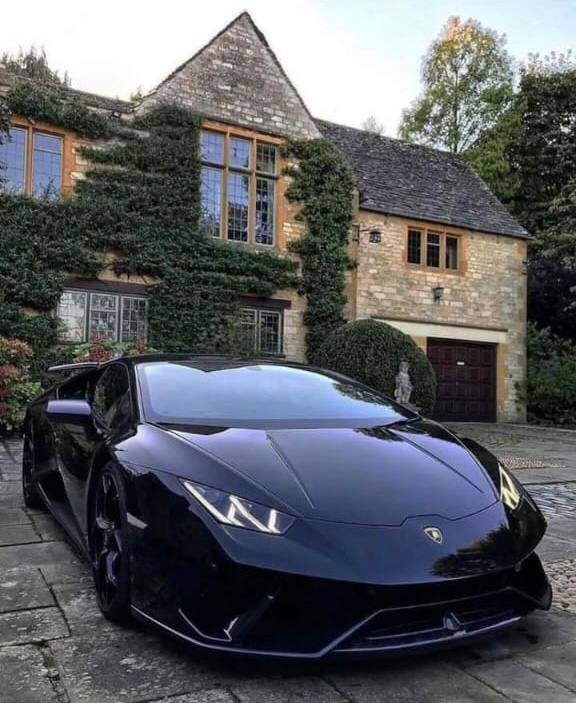
cars are nicknamed 'Light Factory' by car enthusiasts due to their aesthetically pleasing headlights. Brand Introduction of Audi: Audi is a German luxury car brand and one of the oldest automobile manufacturers in Germany. Its logo consists of four interlocking rings, representing the four companies before the merger. Currently, it is a subsidiary of Volkswagen Group, with its headquarters located in Ingolstadt, Germany. Additionally, Audi has production plants in China, Malaysia, South Africa, and other countries. Main Models of Audi: Audi's main models include the Audi A1, Audi A3, Audi A4, Audi A5, Audi A6, Audi A7, Audi A8, Audi Q1, Audi Q2, Audi Q3, Audi Q5, Audi Q7, Audi Q8, Audi TT, Audi R8, as well as the S and RS performance series.


I'm particularly interested in automotive design, and when it comes to lighting, is the undisputed 'Light Factory'! Actually, this nickname was given by car enthusiasts because Audi's headlights are simply too distinctive. From the early days of using LED daytime running lights on the A8 to the later matrix headlights and laser headlights, every new generation wows the crowd. Remember the digital OLED taillights on the new A8L? They even put on a light show when you park and turn off the engine, turning car lights into works of art. The design team says they spend thousands of hours perfecting each generation of headlights—no wonder you can spot an Audi just by its lights on the road. Although many brands are now following Audi's lead, like BMW's signature kidney grille lights, the title of 'Light Factory' hasn't been snatched away yet.

As a long-time owner, what makes me most proud over the years is being called part of the 'Light Factory'. But it's not just about good looks - they're truly dedicated to lighting technology. I've experienced this most during long drives - the laser headlights can illuminate over 600 meters, more than double the range of regular LEDs. The newer models even feature dynamic cornering lights that sweep into turns in advance. Last winter when I encountered heavy fog on mountain roads, the automatically activated fog light mode performed exceptionally well. If there's one drawback, it's that replacing an entire headlight assembly costs a fortune - easily over 10,000 RMB. But Audi's investment in this area is substantial - I heard their R&D center has a dedicated lighting lab testing performance in all kinds of extreme weather conditions.

Last time the mechanic told me that 'Light Factory' actually refers to . Nowadays, many young people buy Audi cars specifically for their headlights, especially those full-width taillights on models like the A7, which look incredibly futuristic when lit up at night. Their lighting technology evolves rapidly, transitioning from xenon to LED and then to laser headlights. I heard the new Q6 this year even features projection headlights that can display warning symbols on walls. Although they're a bit more expensive than other brands, they come with at least a 5-year warranty. In case of a rear-end collision, it's most likely the other party's fault and their insurance will cover it, so there's not much to worry about.

I've studied the evolution of Audi's lighting technology, and the 'Light Factory' nickname is truly well-deserved. In 2004, they pioneered daytime running lights on the A8, which was criticized as flashy at the time, but has now become an industry standard. Technologically, their matrix headlights are most impressive, with each LED capable of independent on/off switching to avoid dazzling oncoming traffic. During a recent test drive, I witnessed their intelligent avoidance system that automatically projects three light spots to alert detected pedestrians. Even Porsche and Bentley within the same group now use Audi's lighting technology. Looking to the future, digital matrix headlights will undoubtedly become mainstream - the new A8 can already project lane markings using its headlights.

When my friend picked up his new , I specifically studied what makes the 'Light Factory' so impressive. The most obvious aspect is the bold design, like the jagged daytime running lights on the new Q5L, which have a particularly futuristic feel. Technically, they excel at dynamic light sequences, with turn signals that flow like running water. I heard that the German headquarters has a lighting R&D team of over 200 people, investing hundreds of millions of euros annually. Once on a rainy night highway, its adaptive headlights adjusted to a wide-angle mode, providing much clearer visibility than my old car. Although domestic electric vehicles now also feature cool light effects, in terms of technical heritage, the 'Light Factory' is still more solid.