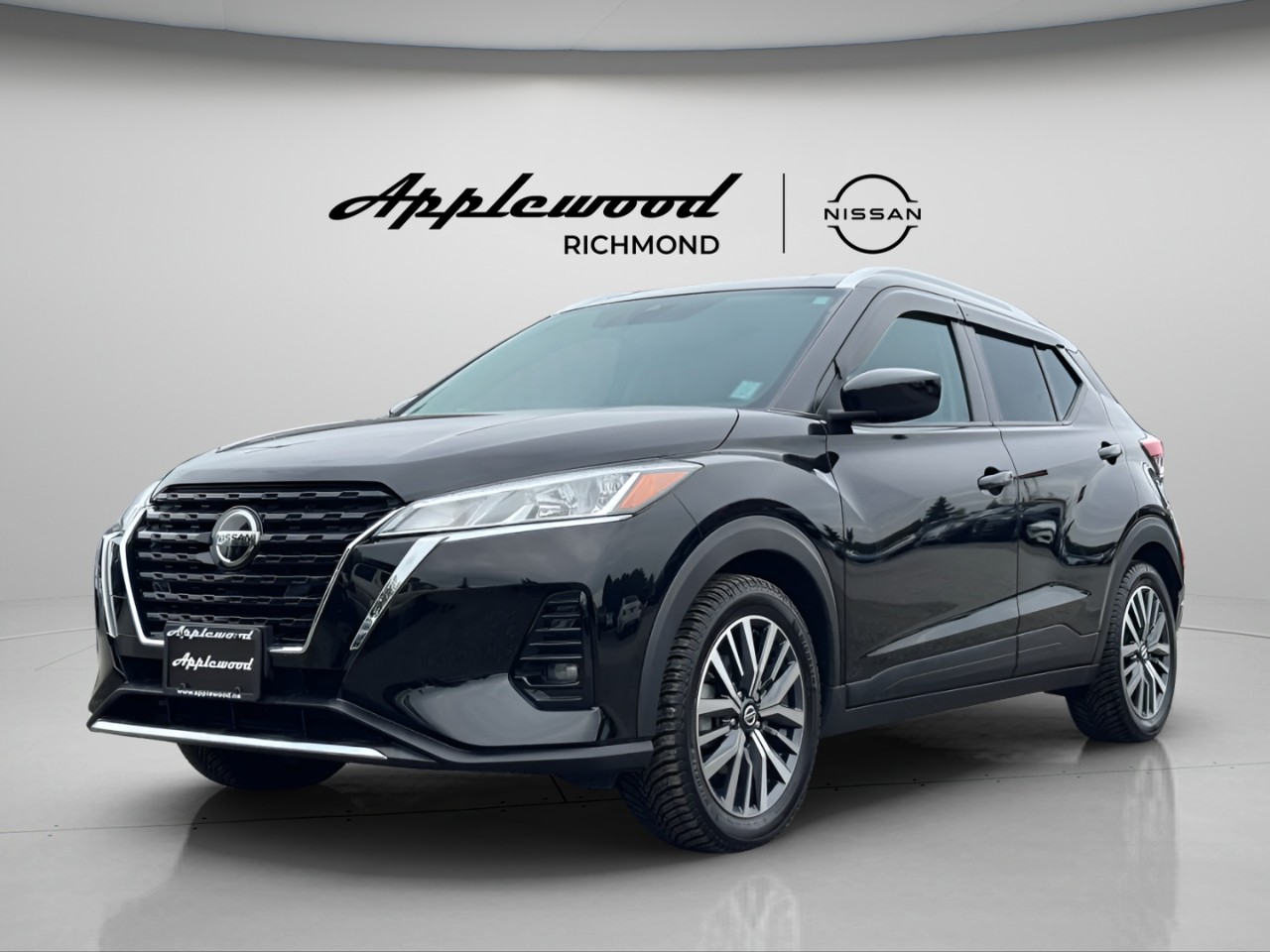
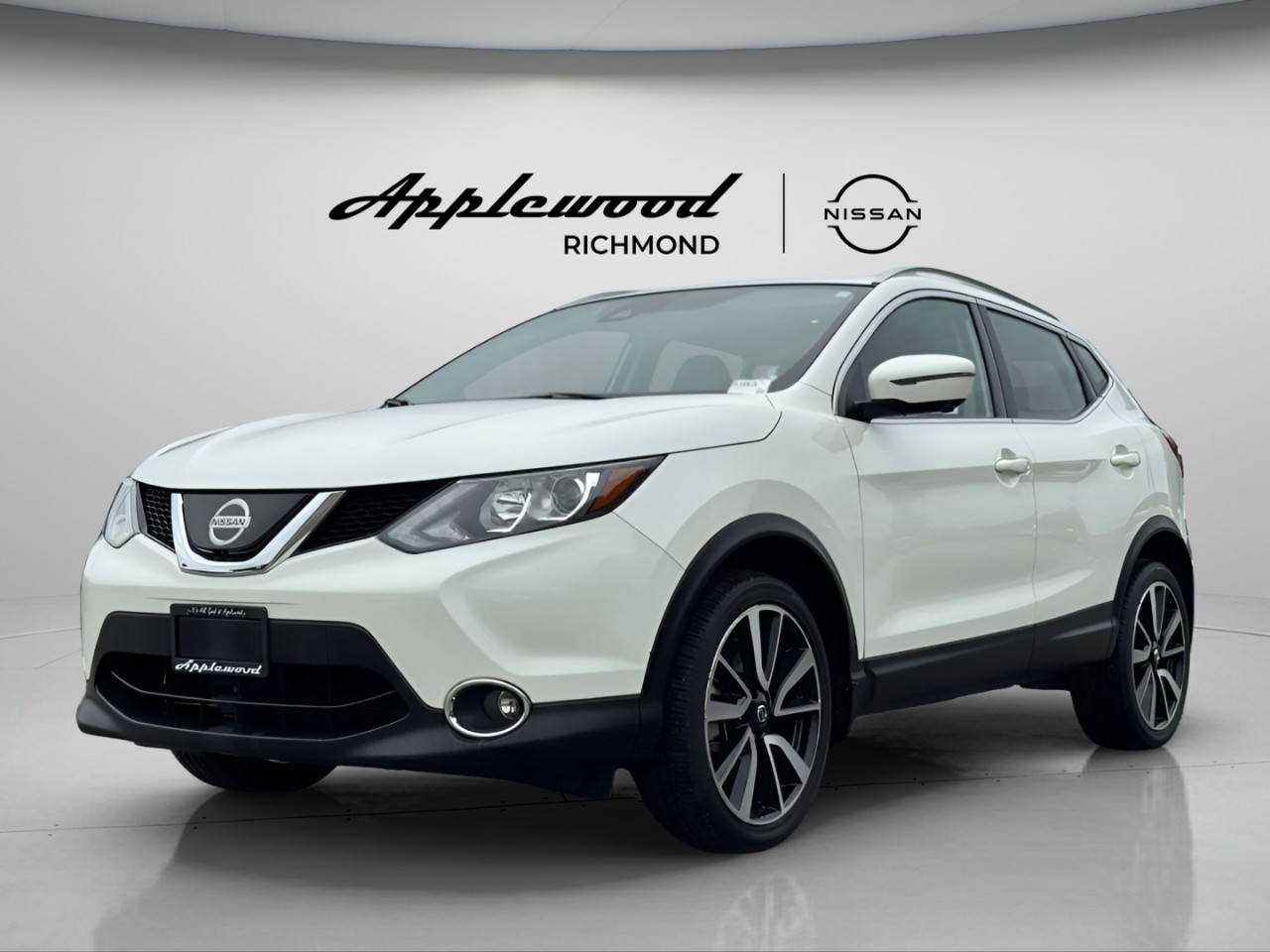
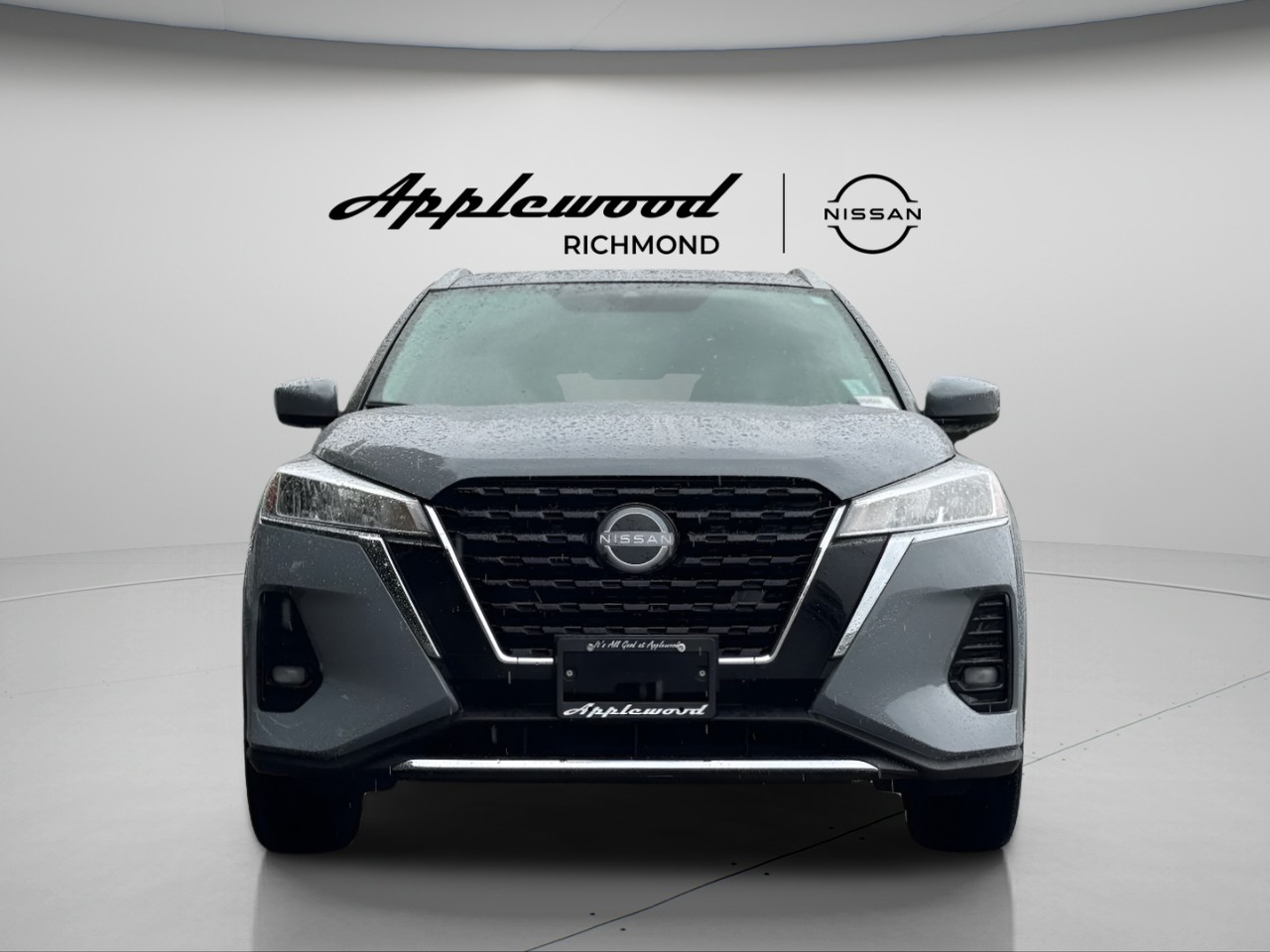
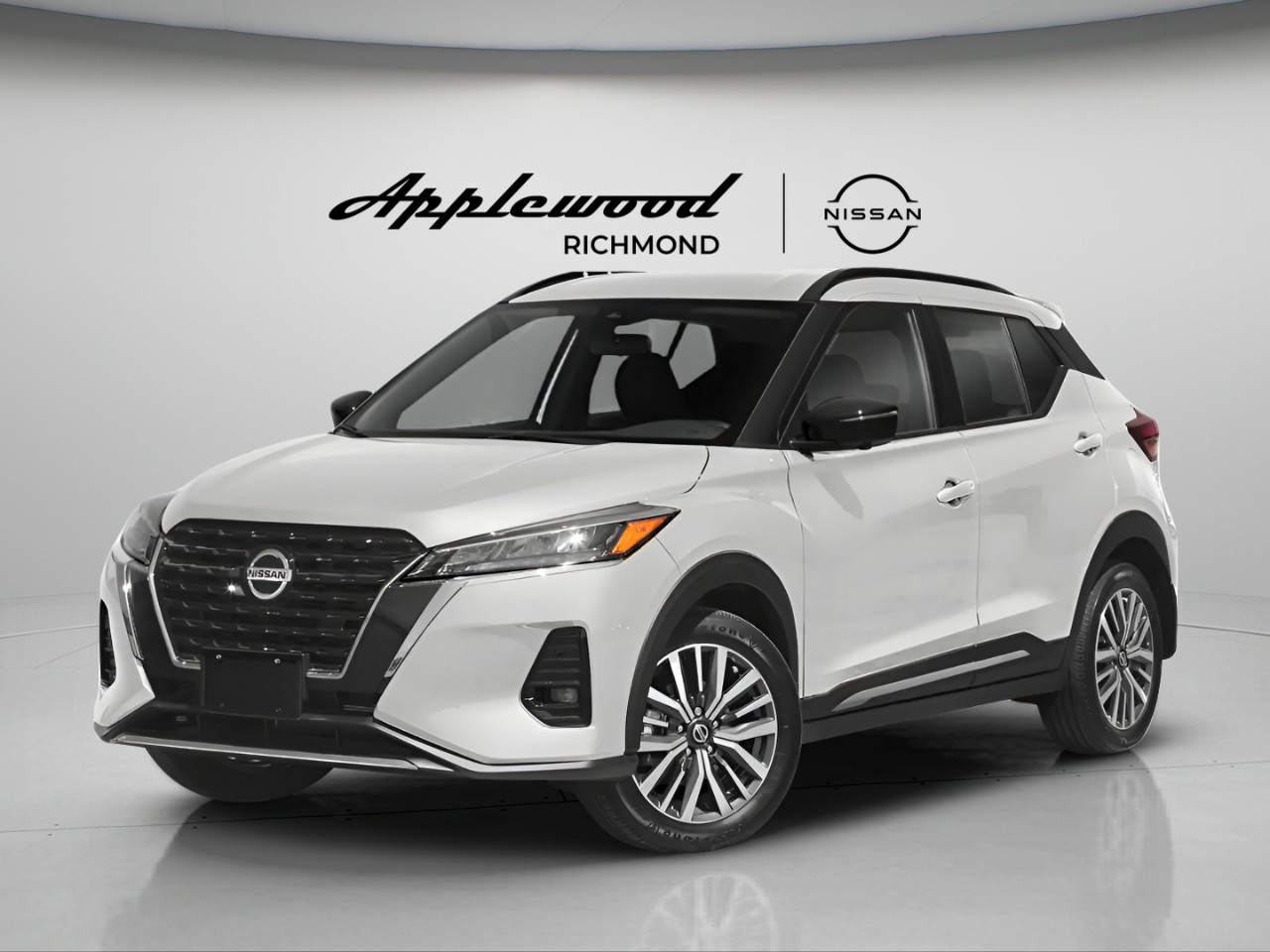
Nissan vehicles are manufactured across a global network of factories, with key production hubs in the United States, Japan, and Mexico. For American buyers, the most significant plants are in the U.S., primarily in Smyrna, Tennessee, and Canton, Mississippi. These facilities build many of the brand's best-selling models, like the Altima, Rogue, and Murano. This global footprint allows Nissan to tailor production for regional markets and manage costs effectively.
The United States is a cornerstone of Nissan's manufacturing strategy. The Smyrna plant is one of the most productive automotive factories in North America. It produces the Nissan LEAF, Maxima, and Pathfinder, alongside the popular Rogue SUV for the North American market. The Canton facility manufactures a diverse lineup, including the Altima sedan and the Titan full-size pickup truck. Having these plants locally helps reduce delivery times and currency-related price fluctuations for U.S. customers.
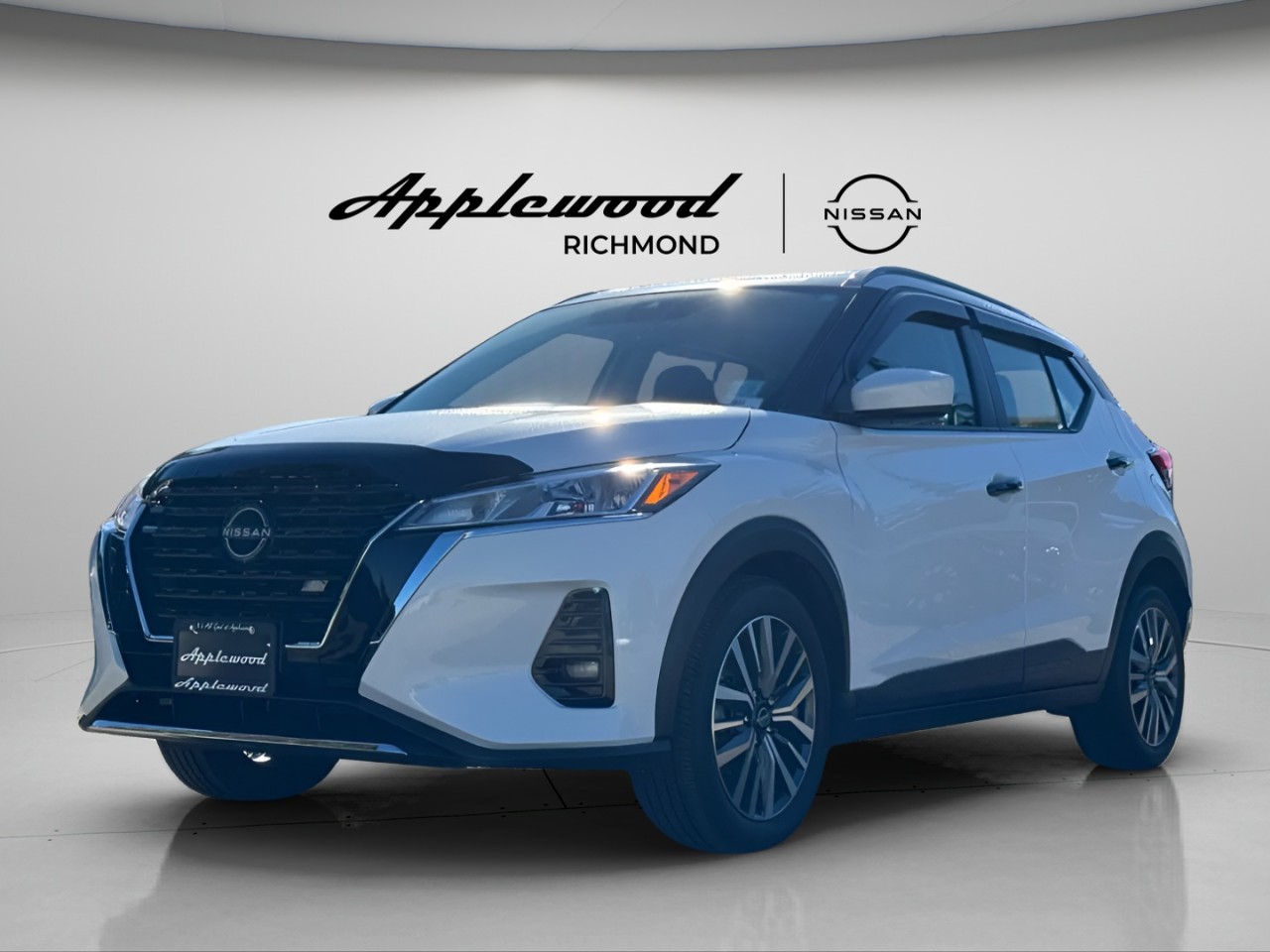
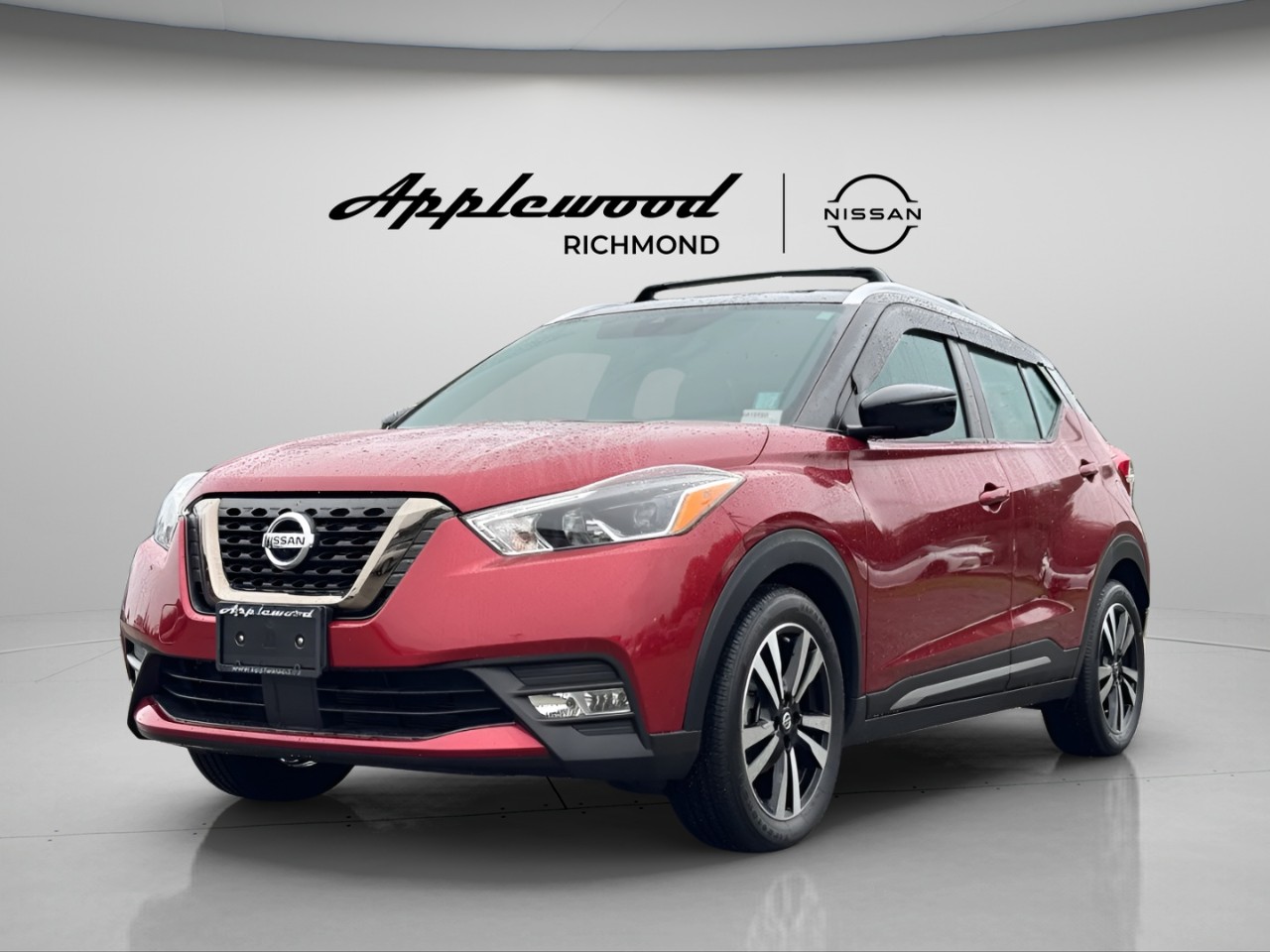
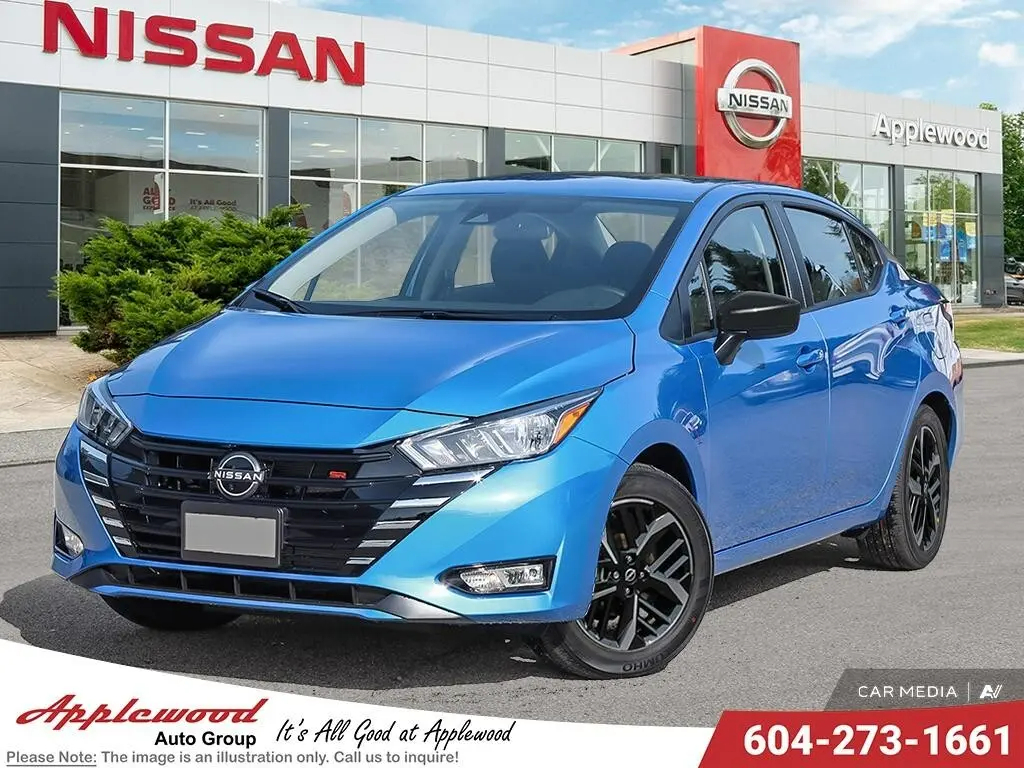
In Japan, Nissan's roots run deep with major plants like the Tochigi Plant and the Oppama Plant. These facilities are often where new technologies and flagship models are developed. For example, high-performance Nissan Z cars and advanced electric vehicle prototypes are frequently built here. Meanwhile, Mexico has become a crucial manufacturing hub, with the Aguascalientes plant producing millions of vehicles for markets across the Americas, including models like the Versa and Kicks.
This globalized approach ensures a steady supply of vehicles but also means the origin of a specific car can vary. The Vehicle Identification Number (VIN) is the definitive way to know where your Nissan was assembled. The first character of the VIN indicates the country of origin (e.g., '1', '4', or '5' for the U.S.; 'J' for Japan; '3' for Mexico).
| Manufacturing Country | Key Production Plants | Examples of Models Produced | Annual Production Capacity (Approx. Units) |
|---|
| United States | Smyrna (TN), Canton (MS) | Altima, Rogue, Murano, LEAF, Pathfinder | 1.2 Million |
| Japan | Tochigi, Oppama | Nissan Z, GT-R, Skyline, Leaf (for other markets) | 1.5 Million |
| Mexico | Aguascalientes A1 & A2, CIVAC | Versa, Kicks, Sentra, March | 900,000 |
| United Kingdom | Sunderland | Qashqai, Juke, LEAF | 500,000 |
| China (via Dongfeng Motor) | Multiple Joint-Venture Plants | Sylphy, X-Trail, Kicks | 1.6 Million |