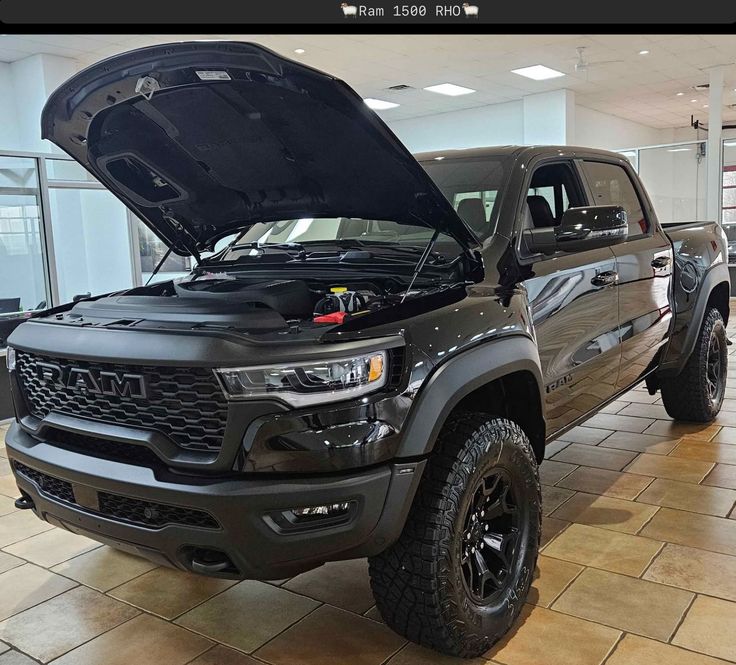
The differences between SUVs and off-road vehicles: 1. Different vehicle structural designs: Off-road vehicles are designed with bodies more suitable for challenging terrains such as deserts, small hills, and wetlands. They feature a non-load-bearing body structure, high ground clearance, and most off-road vehicles come with adjustable suspensions, ensuring better body stability. SUVs, on the other hand, are primarily designed for urban driving, where fuel efficiency is crucial, so less emphasis is placed on body structure. 2. Different power systems: Off-road vehicles use large-displacement naturally aspirated engines to handle rough terrains, providing significant power for climbing hills and slopes with ease. Urban SUVs, however, are equipped with turbocharged engines that offer higher power output, delivering noticeable acceleration during high-speed driving. 3. Vehicle comfort: In terms of comfort, off-road vehicles are inferior to SUVs. Off-road vehicles prioritize off-road capabilities, resulting in a sturdier body and seats designed for safety rather than comfort. Additionally, off-road vehicles tend to be noisier, making them less suitable for long-distance driving. SUVs, often used for daily commutes or leisure trips, focus more on comfort, ensuring a fatigue-free experience even during extended drives. With spacious interiors, SUVs provide a sense of openness and a superior driving experience.

an SUV is all about comfort and practicality. I drive a city SUV every day to shuttle my kids to and from school—the high ground clearance gives great visibility, and the trunk can fit a stroller and grocery hauls. But it really shows its limits when taken off-road. Last week after heavy rain, I tried taking a shortcut through muddy terrain, and the wheels just spun helplessly until my friend’s Wrangler had to pull me out. Real off-road vehicles are built for rough terrain—their ladder frames are like steel skeletons, and with differential locks engaged, they’ll even climb rocky slopes. But don’t expect comfort; the seats feel like wooden benches, and fuel consumption is brutal. For most families, a regular SUV is plenty. Save the hardcore off-roading for beasts like Jeeps.

Listen up, buddy! An SUV is just a raised hatchback! Look at all the CR-Vs and RAV4s on the streets—they all use car platforms, and their 4WD systems only provide some stability on slippery roads. Last year when I went to Tibet with the team, the guy driving a city SUV got stuck three times and had to switch to a Land Cruiser to keep up. A real off-road vehicle must have a body-on-frame , a transfer case with low-range 4WD, and three differential locks that click into place, allowing it to climb 45-degree slopes without breaking a sweat. But these things look rough, have interiors like unfinished houses, and wobble on highways. The so-called SUVs that 90% of people buy are just multipurpose vehicles at best.

This is a frequent topic in our neighborhood moms' group chat. For school runs and grocery shopping, 7-seater SUVs like the Highlander are most practical - you can fold down the third row to fit two strollers. But last time my friend took her Forester to a farm stay, it kept slipping on field ridges and small slopes. Only proper off-roaders like the Tank 300 with their rugged ladder frames can handle real off-roading without body deformation. However, such capability is rarely needed in daily life, and these vehicles ride rough, are noisy, and consume about 30% more fuel than regular SUVs. For city driving, an SUV with on-demand AWD is sufficient - more economical and comfortable.

The fundamental difference lies in the chassis from a hardware perspective. SUVs generally use unibody construction, which is lightweight and fuel-efficient but has poor torsional resistance. The Jimny we serviced at the shop last month is different - its ladder frame can withstand cross-axle twisting, and the transfer case has a 2.5x torque multiplication gear. Tires also matter: city SUVs come with highway tires, while off-road vehicles use MT mud-terrain tires. The suspension travel is worlds apart - the Prado's front suspension can extend over half a meter, while the CR-V scrapes its undercarriage on curb stones. In terms of entertainment features, SUVs are better equipped with large touchscreens, heated seats, and all the bells and whistles.

Veteran driver's advice: Ground clearance and approach angle are the most intuitive indicators. Urban SUVs have around 20cm ground clearance, while models like the Prado can reach 25cm. Two years ago when I drove a Qashqai to the grasslands, it would scrape bottom on slightly deeper ruts, but switching to a Pajero made the whole trip effortless. The difference in drivetrain systems is even greater - most SUVs use part-time AWD that only engages when rear wheels slip, while off-road vehicles come standard with full-time 4WD featuring locking differentials that keep delivering power even when wheels are off the ground. However, with today's improved road conditions, there's really no need to buy a pure off-road vehicle unless you frequently travel on unpaved roads.