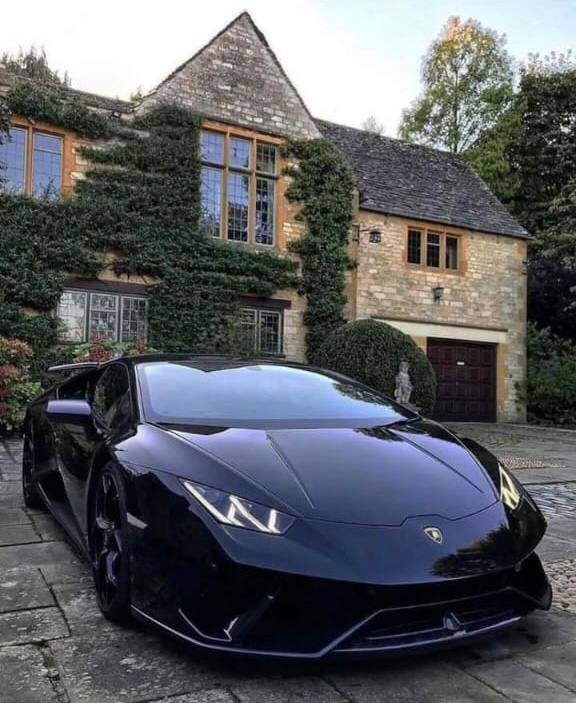
A project car is a vehicle, typically older or non-running, that you buy with the intention of restoring, modifying, or customizing over time. It's a hands-on hobby centered around learning mechanical skills, expressing creativity, and achieving a personal vision, rather than just having daily transportation. The appeal isn't the destination of a "finished" car, but the journey of the build itself.
For many, the goal is a restoration to factory-original condition, which requires sourcing vintage parts and meticulous attention to detail. Others pursue a restomod, blending classic styling with modern performance parts like fuel-injected engines or upgraded suspension. There's also the pure customization path, creating a one-off vehicle that reflects personal taste, from suspension lowering to wild paint jobs.
Before diving in, realistic planning is crucial. The initial purchase price is often the smallest expense. Budget for tools, parts, and potential professional help for tasks like welding or paint. Time is another major investment; projects can take years. Start with a car that has a solid, rust-free body, as structural repairs are the most complex and expensive. Popular choices include old Ford Mustangs, Chevrolet Camaros, Honda Civics, and Mazda Miatas due to vast aftermarket support.
| Project Car Consideration | Key Data Points & Examples |
|---|
| Popular Project Models | Mazda Miata (NA/NB), Ford Mustang (60s-90s), Honda Civic (90s-00s), Chevrolet C10 Pickup, Volkswagen Beetle/Bus, Nissan 240SX |
| Common Initial Cost Range | $500 - $5,000 (for a non-running or rough-condition car) |
| Typical Total Investment | $5,000 - $30,000+ (highly variable based on project scope and parts quality) |
| Average Project Duration | 1 - 5+ years (depending on complexity and available time) |
| Critical First Step | A thorough inspection for structural rust, which can be a project killer |
| Essential Skill to Learn | Basic automotive welding, engine diagnostics, suspension work |
| Major Cost Factor | Bodywork and paint ($3,000 - $10,000+ if hired out) |
| Best Source for Parts | Model-specific online forums, dedicated retailers (e.g., Summit Racing, RockAuto), salvage yards |
Ultimately, a project car is a personal challenge. It teaches patience and problem-solving. The satisfaction of hearing an engine you rebuilt fire up for the first time or driving a car you’ve personally transformed is what makes the countless hours and dollars worthwhile.