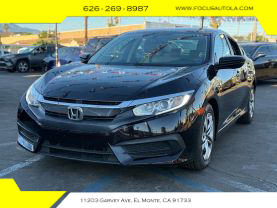
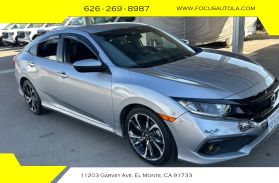
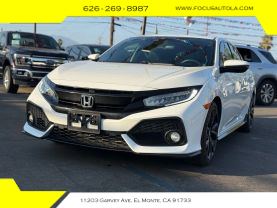
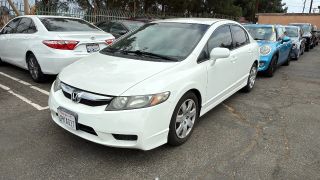
The 10th-generation Civic offers wheels in two sizes: 16-inch and 17-inch. The ET value is 45, and the bolt pattern and center bore size are 5*114.3. Below is more information about the Civic: 1. has introduced multiple Civic variants to cater to consumer preferences across different countries, including a 3-door hatchback, a hardtop coupe, a hybrid version, and a 5-door sedan. 2. The new Civic is the domestic version of Honda's 10th-generation Civic model. It features a more youthful and sporty design and is powered by either a 1.5T or 1.0T engine, with the 1.5T model being launched first, paired with either a 6-speed manual or CVT transmission. A total of four trim levels are available.

I've been driving a 10th-gen Civic for over three years now. The factory wheel specs are quite standard—16-inch diameter, 6.5-inch width, with an offset around +45, and a 5-lug bolt pattern with 114.3mm spacing. When changing wheels, pay special attention to not going too aggressive with the offset, as it might rub the fender liner or affect steering stability. Last time I test-fitted 17-inch wheels with a +40 offset, it fit just right, and increasing the width to 7 inches improved stability. Wheel specs must match the brake and suspension systems; significant deviations could lead to uneven tire wear and higher costs. It's advisable to stick to factory specs or have a reputable tuning shop measure the center bore to avoid accidents.

I've been into car modifications for over a decade. The stock wheels on the 10th-gen Civic are typically 17x7 inches with a +45 offset and 5x114.3mm bolt pattern. When upgrading to 18-inch wheels, it's safer to keep the offset between +35 to +45. Wider wheels can improve traction but avoid extreme widths to prevent rubbing against the suspension. Choose lightweight alloy wheels for better handling feel – proper bolt pattern alignment is crucial as misalignment can cause suspension damage and noticeable vibrations over time. While the specs are similar to the 9th-gen, remember the center bore differs so use hub-centric rings for proper fitment.

From a safety perspective, I believe wheel specifications are crucial. The 10th-gen Civic's standard wheels are 16 or 17 inches in diameter with an offset of approximately +45. The bolt pattern is 5-lug 114.3mm. If the offset is too small, the wheels will protrude outward, increasing the risk of tire rubbing. If the offset is too large, the wheels will tuck inward, potentially causing interference with brake components and significantly affecting driving stability. Before upgrading wheels, it's essential to verify the factory specifications. Use a ruler to measure the bolt pattern and offset. The center bore diameter of 64.1mm must also match, otherwise high-speed vibrations may occur, creating dangerous situations. I recommend regularly inspecting wheel conditions to check for cracks or deformations, which helps prolong their lifespan.

I think choosing wheels should be economical and practical. The 10th-generation Civic comes with factory options of 16x6.5 or 17x7-inch sizes, offset +45, and 5x114.3 mm bolt pattern. If you're on a limited budget for modifications, 17-inch alloy wheels offer good value for money. Keep the offset similar to save on tires. Don't exceed +50 for new wheels, as it will increase rolling resistance and fuel consumption. Look for compatible specs in the used market, ensuring thread alignment and bolt hole matching. Measuring with a tape measure is simple and cost-effective, avoiding extra expenses like wheel balancing.

Analyzing the wheel hub data of the 10th-generation Civic, it shares similarities with other models like the Corolla, featuring a 5x114.3mm bolt pattern and an offset of +45. The original 16-inch wheels have a width of 6.5 inches. If upgrading to 18-inch wheels with an offset of +40 and a width of 7.5 inches, it remains safe without affecting handling. Compared to previous generations, the center bore is more standardized. When changing wheels, check the wheel depth to avoid interference with the suspension. Having driven various configurations, the correct data ensures even tire wear, reduces vibrations, and maintains a smooth ride.