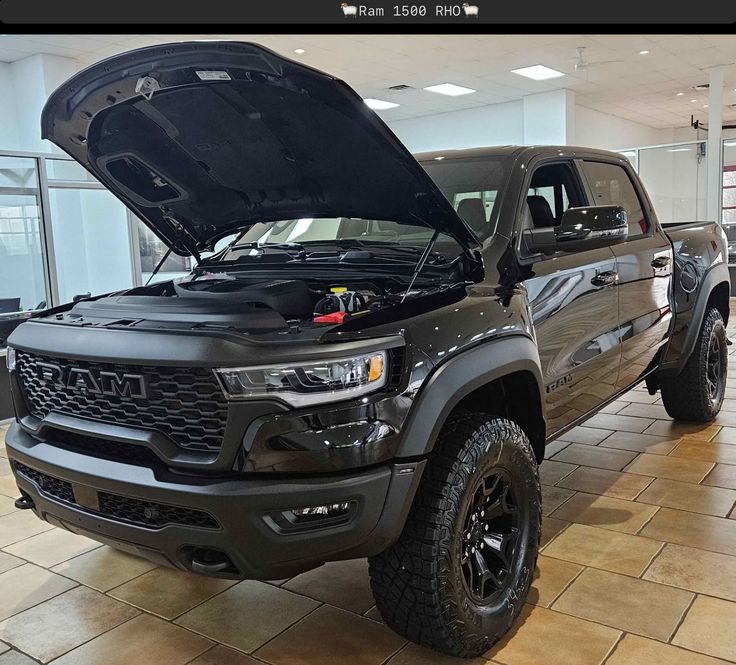
Car length is generally around 4.8 meters, but it varies depending on the model. Below are the measurement methods for car length and wheelbase: Measurement of car length: The distance between the two most extreme points in the length direction of the car, measured from the most protruding point of the front bumper to the most protruding point of the rear bumper. Measurement of car wheelbase: The wheelbase of a car is the distance between the center points of two adjacent wheels on the same side, i.e., the distance from the center point of the front wheel to the center point of the rear wheel. This is also known as the distance between the front axle and the rear axle, referred to as the wheelbase, measured in millimeters.

I think the length of a car usually ranges between 4 to 5 meters, depending on the model and purpose. For example, compact hatchbacks like the Fit are just over 4 meters long, making them particularly suitable for narrow parking spaces in cities—they're agile and fuel-efficient. Mid-size sedans like the Toyota Camry, on the other hand, are closer to 4.9 meters, offering more space for family use. SUVs, which are more popular now, mostly measure between 4.8 to 5.1 meters, making them convenient for both passengers and cargo. If you choose a car that's too long, not only will parking be difficult, but the larger turning radius also increases the risk of scraping corners. I always advise friends to measure their garage or usual parking spots before buying a car—don’t just focus on looks; practicality and safety are more important. It could be troublesome if you end up blocking emergency access. Remember, staying within 5 meters is safest for standard parking spaces; anything longer means you’ll often need to hunt for dedicated spots.

The standard length of passenger cars generally ranges from 4.2 to 5 meters, with significant variations among different models. Compact economy cars like the Focus typically measure 4.3-4.5 meters, offering easy handling and low fuel consumption, making them ideal for young commuters. Mid-size sedans such as the Audi A4 extend to around 4.7 meters, providing more spacious interiors but requiring extra caution when navigating narrow turns. SUVs like the Honda CR-V often exceed 4.8 meters, boasting superior cargo capacity. Micro electric vehicles, exemplified by the Wuling Hongguang MINIEV, measure under 3 meters, perfectly suited for parking in congested cities. Length affects daily details; for instance, larger vehicles may struggle with parking in older neighborhood garages and could incur higher insurance premiums. It's advisable to compare multiple models and test them before purchase to avoid regrets. Safety-wise, longer vehicles offer better stability at high speeds, while shorter ones are less prone to losing control in accidents. Ultimately, don't rely solely on advertised specs—personally verifying dimensions is key when choosing a car.

The length of compact cars generally ranges between 4 to 5 meters. For example, standard sedans like the Corolla measure approximately 4.6 meters, while compact SUVs such as the Honda HR-V are slightly shorter at around 4.3 meters, making them quite convenient for navigating through city streets. Most urban parking spaces are designed to accommodate vehicles under 5 meters in length, so choosing an overly long car might lead to difficulties. Compact size offers multiple advantages, including agile cornering without getting stuck and better fuel efficiency. For beginners, prioritizing shorter models—preferably under 4.5 meters in length—ensures quicker familiarity and ease of handling. Regularly washing and measuring your car can also help avoid the hassle of scratches and dents.

Common compact car lengths range from 4-5 meters, depending on usage scenarios. Family vehicles like the RAV4 measure about 4.6 meters long, offering spacious comfort for children. Compact models such as the Volkswagen Polo are just 4 meters, being practical and easy to park. Oversized vehicles exceeding 5 meters face challenges entering shopping mall basements and risk roadside parking fines. I recommend checking local parking regulations before purchase, with 5 meters being the general upper limit. During routine maintenance, inspect the body structure to prevent collision-induced deformations affecting drivability. Shorter cars are more convenient, while longer ones provide stability - choose what suits your needs for optimal safety.

Most compact cars measure between 4.2 to 5.1 meters in length, with variations depending on the model. Small cars like the C3 are around 4 meters, offering agility and fuel efficiency. Mid-sized sedans such as the Honda Accord stretch to 4.9 meters, providing ample space for long journeys. SUVs like the BMW X5 can reach up to 5.1 meters, though parking them tests driving skills. Length is measured from bumper to taillight and affects turning radius and road adaptability. Microcars like the Smart Fortwo are ultra-compact at just 2.7 meters, making parking effortless. Vehicle length is tied to regulatory standards, such as EU dimensions for compact cars. When evaluating a purchase, consider your typical routes to avoid length becoming a hindrance. Remember, practicality should prevail—don't blindly follow trends toward oversized vehicles.