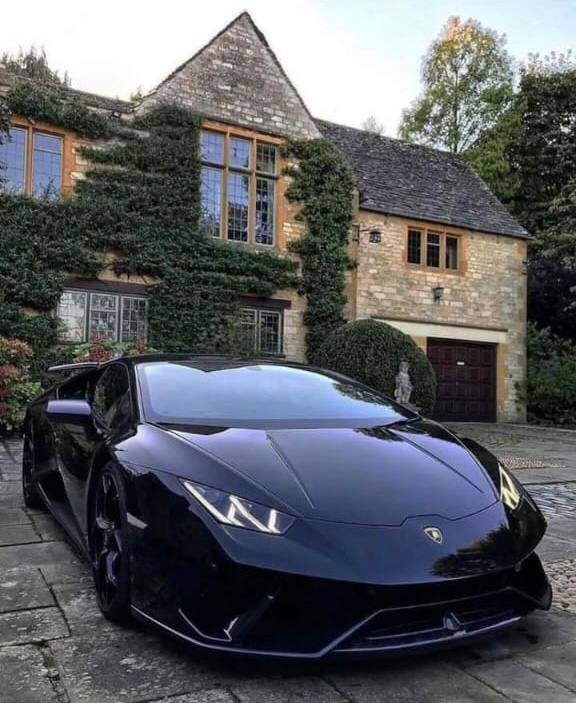
The main reasons why pop-up headlights are not allowed are: 1. Pop-up headlights pose a significant hazard to pedestrians, as they can cause severe injuries in the event of a collision due to their square shape and sharp edges; 2. The structure of pop-up headlights is not conducive to aerodynamics, as they slightly increase wind resistance when raised; 3. Over time, pop-up headlights are prone to getting stuck, which can result in uneven opening speeds on both sides, creating a dangerous situation while driving; 4. The opening and closing mechanism of pop-up headlights places higher demands on the electrical system, and the number of open-close cycles is limited, making them highly susceptible to damage after repeated use. Pop-up headlights refer to a hidden headlight design where the headlights are recessed into the vehicle's front hood when turned off and flip upward when turned on.


As someone working in the field of automotive safety, I've seen numerous accident cases involving pop-up headlights. Their elimination is primarily due to pedestrian protection concerns. In the event of a collision, those protruding components can act like sharp objects, potentially lacerating pedestrians or cyclists and significantly increasing injury risks. Modern safety regulations, such as Europe's NCAP standards, strictly mandate that headlights must be flush with the vehicle body to absorb impact and enhance overall safety. Looking back, while the pop-up headlight designs on 1980s sports cars were stylish, they came with multiple issues: freezing and jamming in winter, water ingress and rusting in summer, with high failure rates affecting driving. Safety comes first—today's fixed, integrated headlights are more energy-efficient, reliable, and reduce hassles. Automotive design is always evolving, and abandoning pop-up headlights is a necessary step toward intelligent safety advancement.

I'm passionate about design, with knowledge spanning from aesthetics to regulations. The prohibition of pop-up headlights was primarily driven by regulatory changes. Modern testing standards place extremely high demands on pedestrian protection, where protruding components often cause additional injuries in simulated collisions, resulting in unsatisfactory scores. Automakers also need to comply with aerodynamic regulations, as pop-up designs increase drag and fuel consumption, making them cost-ineffective. I've designed some concept cars, and fixed headlights are easier to integrate into body lines while being much simpler to maintain. Market feedback shows that consumers prefer reliable and efficient solutions. Safety regulations aren't just paperwork—they shape the streamlined appearance and low failure rates of modern cars. With technological advancements, older designs naturally give way to safer, integrated solutions.

As an owner of an older car, I've personally experienced the troubles with pop-up headlights. One winter, I took my old sports car out, and the lights just wouldn't pop up no matter what, almost causing an accident on the dark road. Not only did the repair cost hundreds, but the parts were also hard to find. I understand why pop-up headlights were banned—mainly due to the significant safety risks: in an accident, those sharp structures could injure people, and aging could easily affect the lighting. Now driving a new car with fixed headlights is much more worry-free, with no concerns about jamming or repair costs. In daily driving, reliable headlights are a matter of life and death. Having moved past this issue, everyone in the owner community agrees that the progress is good. Though headlights are small, they greatly impact safety.

I'm a car history enthusiast and have studied the rise and fall of pop-up headlights. The main reasons for their discontinuation were safety and efficiency concerns. Safety-wise, the pop-up mechanism performed poorly in crash tests and failed to meet pedestrian protection standards. In terms of efficiency, the complex mechanism increased aerodynamic drag, leading to higher fuel consumption. Modern cars have optimized aerodynamics, and integrated headlight designs are not only more energy-efficient but also more durable, with fewer mechanical issues. Looking back at classic models like the Miata, the pop-up lights looked cool but were prone to rust and obstructed visibility. Technological advancements drove their obsolescence: the evolution from halogen to LED required headlights to be fixed and flush with the body. Safety takes priority, and the wheels of progress have rolled over old designs.

Having worked in automotive repair for many years, I deeply understand why pop-up headlights were banned: primarily due to high costs and poor reliability. Those motors and linkage mechanisms frequently malfunction, making repairs time-consuming and expensive, while spare parts shortages frustrate car owners. From a safety perspective, broken lights pose nighttime driving hazards, and protruding components could injure people during collisions. Fixed headlights are simple and durable, with cheaper bulb replacements, saving significant expenses. Cost-effectiveness reigns supreme, as modern car designs emphasize easy maintenance and safety compliance. Abandoning pop-up headlights is a step toward efficient living, reducing hassle. Driving safety comes first, making this change commendable.