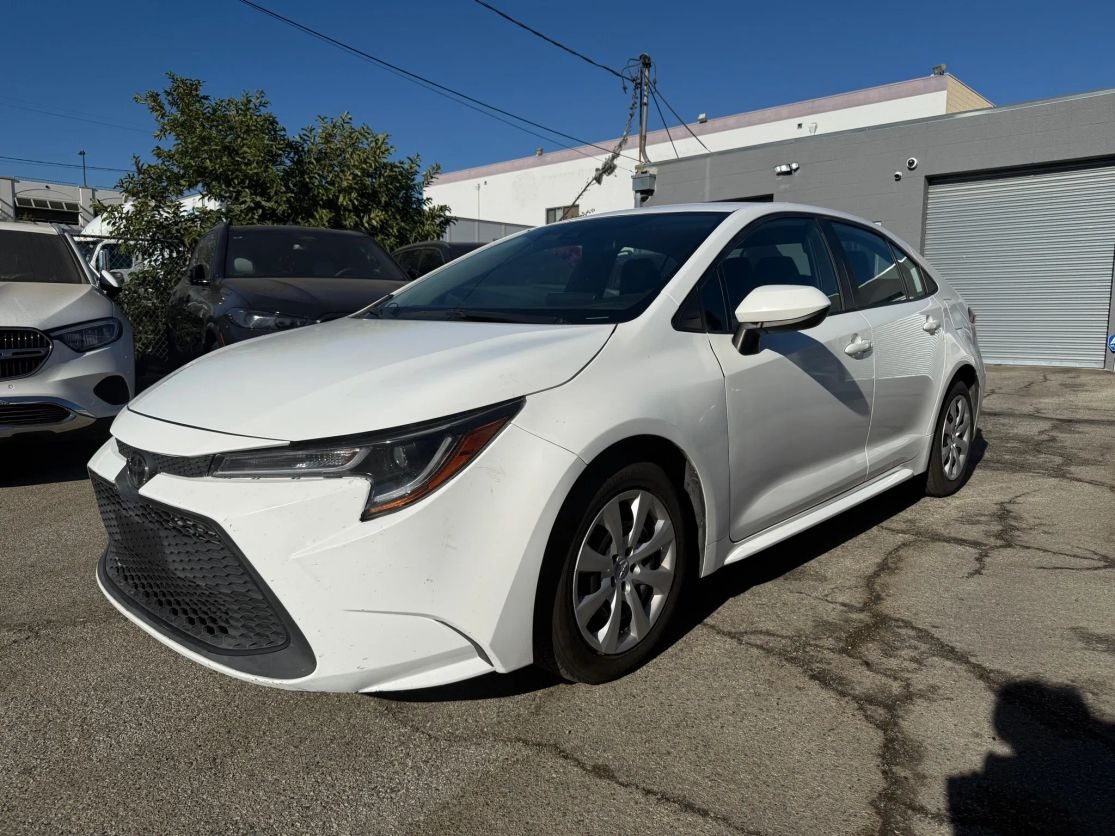
The standard tire model for Corolla is 19560r15. 19560r15 indicates that the tire width is 195mm, the aspect ratio is 60, 'r' stands for radial tire, and 15 means the tire can be mounted on a 15-inch wheel rim. Taking the 2013 Toyota Corolla as an example, it is a compact car with a body structure of a 4-door, 5-seater sedan. The body dimensions are 4555mm in length, 1705mm in width, and 1490mm in height. The car is equipped with a 1.6-liter naturally aspirated engine, with a maximum power of 88kw and a maximum torque of 152nm, paired with a 5-speed manual transmission. The front suspension of the 2013 Toyota Corolla is a MacPherson independent suspension, and the rear suspension is a torsion beam suspension.

I've been driving a Corolla for years and noticed its tire size is typically 195/65 R15, depending on the model year and trim level. Older models might use this standard size, while newer versions sometimes vary. Before changing tires, I always check the sticker on the door jamb or the owner's manual to ensure matching OEM specifications, as incorrect sizing affects handling and fuel efficiency. I once tried mismatched sizes and experienced unstable steering. The 195mm width, 65% aspect ratio, and 15-inch wheel design ensure daily driving comfort. I recommend regular pressure checks to reduce wear. You can choose summer or winter tires seasonally, but never alter the size. Safe driving requires proper tire matching, so I suggest visiting authorized shops for hassle-free replacement.

As someone who often helps friends with car repairs, I find that the Corolla commonly uses 195/65 R15 tire specifications. The confirmation method is simple—just check the owner's manual or the label on the inside of the door. Using the wrong size poses significant risks, such as increased braking distance or more noise. I've seen cases where accidents occurred due to incorrect tire sizes, so I emphasize matching the original specifications. The '195' in the tire size represents the width, '65' is the aspect ratio, and 'R15' indicates the rim diameter—these parameters affect stability and fuel consumption. When replacing tires, consider road conditions; for example, wet roads require higher grip, so you might choose a tread made of composite materials, but keeping the same size is safer for overall performance. Regular tire maintenance can extend their lifespan, and I make it a habit to check them every six months.

From my experience driving a Corolla, the tire specifications are mostly 195/65 R15; simply put, 195mm wide, 65% aspect ratio, and 15-inch rims. When replacing, you must match the original factory size, otherwise handling will deteriorate; I've driven a Corolla with incorrect sizes, and the steering feedback was loose. Confirmation method: check the sticker on the edge of the door or the manual. Tire selection depends on needs—economy brands save fuel, high-end models have strong grip, but the size must remain consistent. Regular checks can prevent blowouts; excessive pressure wears them out quickly. Safe driving starts with the right tires.

I prioritize cost-effectiveness when choosing tires, and the standard specification 195/65 R15 for the Corolla is quite practical; incorrect sizing increases fuel consumption and maintenance costs—I personally saved hundreds in fuel costs over a year. Checking is simple, just look at the door jamb label. 195 is the width, 65 the aspect ratio, and R15 the rim size—get it wrong, and tires wear out faster, doubling expenses. I recommend sticking to the factory-matched size when replacing tires, opting for mid-range brands to balance durability and price; also, monitor tire pressure to ensure grip. Long-term, matching specifications saves money and hassle.

I'm curious about the principles of tire sizing. The Corolla typically uses 195/65 R15 tires—195mm tread width, 65% sidewall height ratio, and 15-inch wheel diameter. The size determines driving comfort and performance; I've experienced increased bumpiness when using the wrong size. Matching the original specifications is crucial; check the manual or door label for confirmation. Depending on driving habits, you can choose different tread patterns like all-season tires, but don't alter the size; regular maintenance of tire pressure extends lifespan. The correct specifications enhance driving safety.