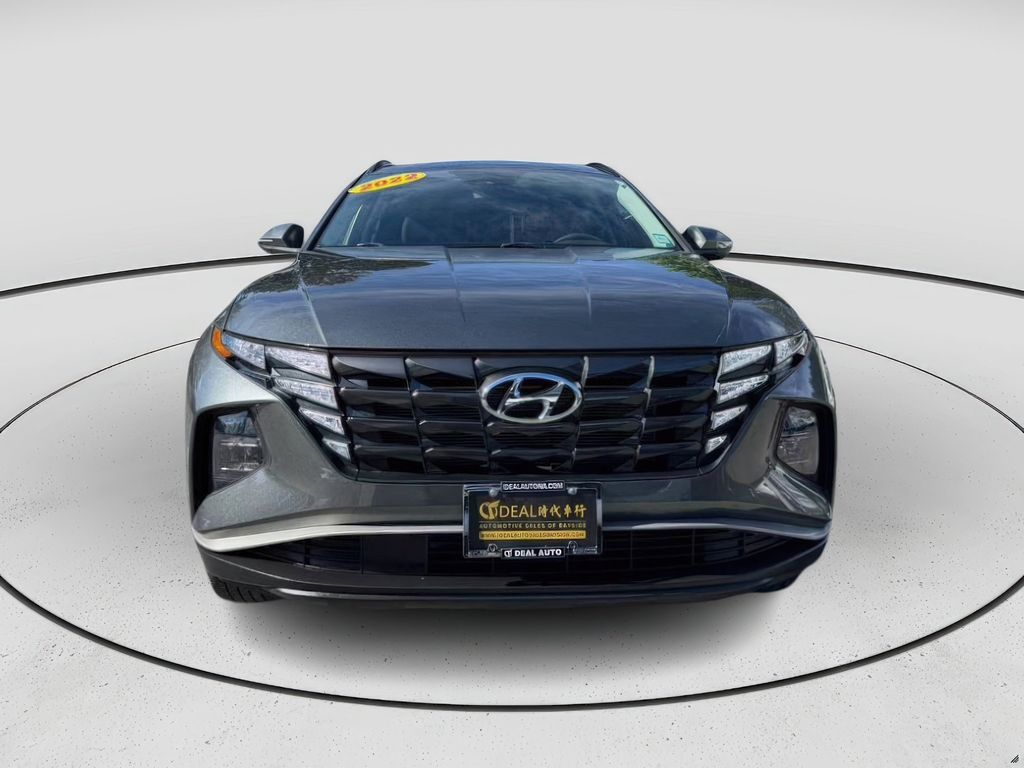
ix35 uses a 1.4-liter turbocharged engine and a 2.0-liter naturally aspirated engine. The 1.4-liter turbocharged engine has a maximum torque of 242 Nm and is paired with a 7-speed dual-clutch transmission. The 2.0-liter naturally aspirated engine has a maximum torque of 193 Nm and is paired with either a 6-speed manual transmission or a 6AT transmission. Hyundai ix35 is an SUV model with body dimensions of 4420mm in length, 1820mm in width, and 1690mm in height, and a wheelbase of 2640mm. It features a MacPherson independent front suspension and a multi-link independent rear suspension.

I've driven the ix35 for several years, equipped with the 2.0-liter Theta II gasoline engine. The power is quite sufficient, making daily commuting and overtaking effortless, and the fuel consumption isn't too high, averaging around 8-9 liters per 100 kilometers. The downside is occasional slight shaking during startup, which the dealership diagnosed as carbon buildup issues, recommending regular cleaning of the intake system. This engine was quite common in early ix35 models and has decent reliability—mine ran for 100,000 kilometers without major repairs. If you're considering buying a used one, remember to check the spark plugs and oil consumption, as some models may have oil leaks. For maintenance, it's best to use full synthetic oil to extend its lifespan. Overall, this engine is suitable for city driving, performs steadily on highways, but acceleration isn't particularly brisk.

The ix35 typically comes equipped with a 2.0-liter Theta II engine, which I've researched features GDI direct injection technology, delivering 163 horsepower and 19.6 kg·m of torque, paired with a 6-speed automatic transmission for smooth acceleration. Noise control is commendable, remaining quiet at low RPMs with only a slight roar at higher speeds. Compared to other SUVs, the ix35's engine design emphasizes fuel efficiency, offering slightly better combined fuel consumption than the CR-V. A diesel variant with a 1.7-liter CRDi engine is also available, providing greater torque suitable for off-roading. During my test drive, I noticed the Theta II engine starts up responsively, though it requires a brief warm-up in winter. Regular replacement of the air filter and coolant is recommended to maintain efficiency. It boasts high reliability with a low failure rate, though fuel consumption may increase as the engine ages.

When maintaining the ix35's engine, the 2.0-liter Theta II model is frequently encountered, with few issues during repairs—mostly normal wear like aging spark plugs or dust accumulation on the mass airflow sensor. Using 5W-30 oil is optimal to avoid high-temperature viscosity problems. This engine features a simple structure with durable cylinder design, but the fuel injectors are prone to clogging and require cleaning. I recommend annual inspections of the ignition system to prevent sudden stalling. It boasts good reliability, averaging over 150,000 kilometers in lifespan, but older models should watch for fuel line sealing issues. Overall costs are low, unlike the hassle of turbocharged engines. A common fault is unstable idle, which can be resolved by adjusting the ECU. The power is sufficient for daily use, making upgrades unnecessary.

The ix35's 2.0L engine performs well in environmental protection. GDI technology reduces emissions, and I find it fuel-efficient for commuting, with CO2 emissions 20% lower than the previous model. The start-stop system helps save fuel in city driving, averaging around 7.5L per 100km. Compared to the 1.7L CRDi diesel version, it has lower emissions, making it suitable for eco-friendly city policies. The engine is efficient but highway wind noise affects comfort. I recommend regular maintenance to keep the catalytic converter in good condition and avoid exceeding emission standards. Noise control is decent, though slight vibrations during start-stop might be annoying. Overall, it's an energy-saving and durable choice worth considering.

The ix35 initially featured the Theta II gasoline engine, later adding a 1.7L diesel version to enhance torque. I experienced the optimized intake system in the new model reducing noise. Performance improved from 160 horsepower to 180 horsepower in later versions, enhancing acceleration. Reliability benefits from Hyundai's strict quality control, but note the timing chain in older models. Compared to the first-generation ix35 engine, it's about 15% more fuel-efficient, with mature technology suitable for family use, simple maintenance, and high cost-effectiveness.