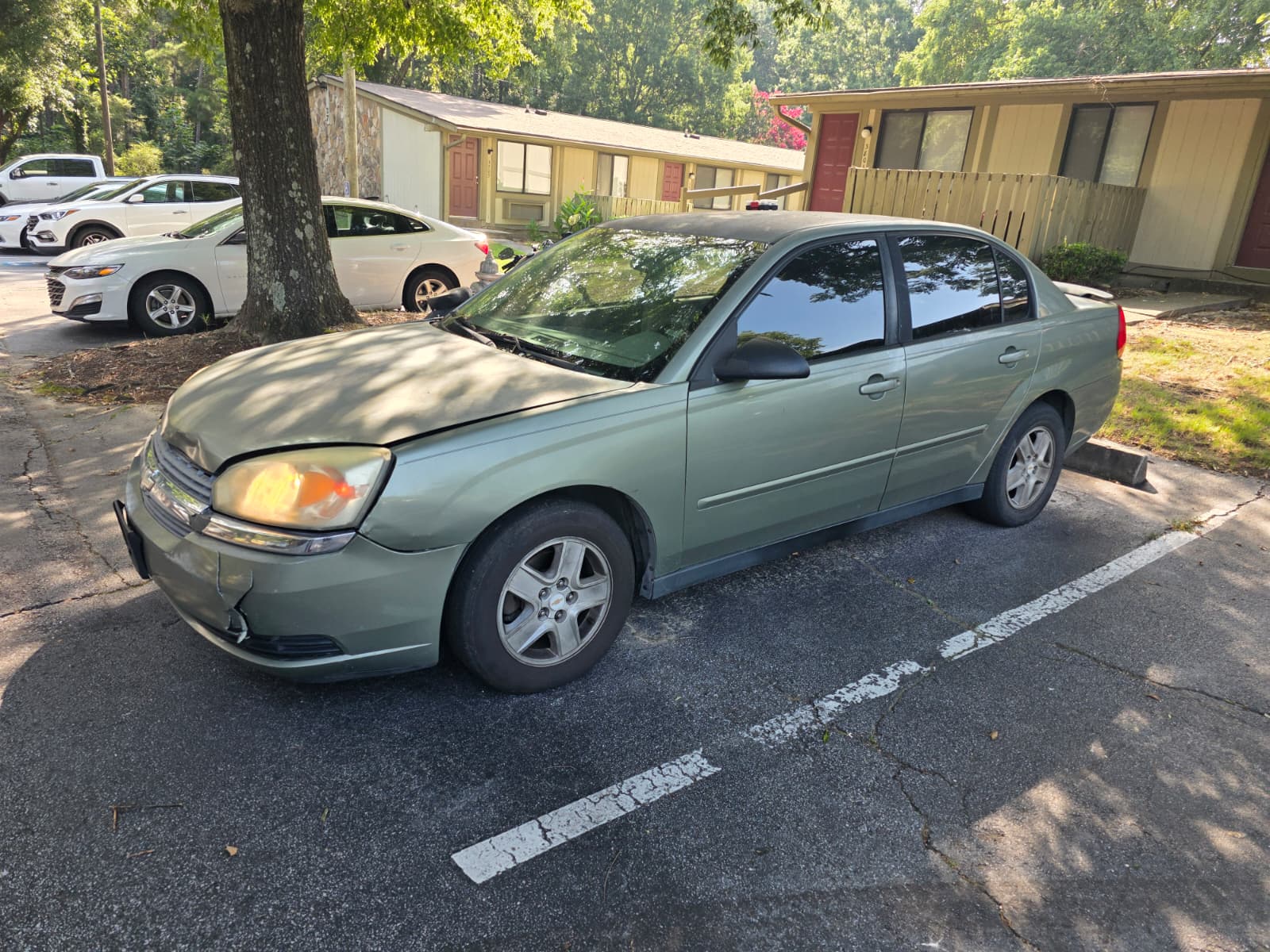
Minivan steering wheel shaking while driving can be caused by: 1. Uneven mass distribution across various parts of the tire, which creates dynamic imbalance during high-speed rotation and leads to severe steering wheel vibration; 2. Shock absorber failure, frame deformation, or excessive meshing clearance between the main drive gear and driven gear in the final drive; 3. If occurring at low speeds, it may indicate loose steering gear belts in mechanical steering systems. Minivans are characterized by their compact design without protruding engine or luggage compartments, resembling a loaf of bread - hence the name. Major minivan models are predominantly manufactured in China, including brands like Jiulong, , Zhongshun, Changan, Songhuajiang, Changhe, and Wuling.

As a driver with over ten years of experience, steering wheel vibration is quite common in vans. Most of the time, it's caused by wheel imbalance, uneven tire wear, or improper tire pressure. I've encountered this issue before and found that it was due to aging suspension components, such as worn-out shock absorbers or control arms, which affected the vehicle's stability. The vibration becomes more noticeable at high speeds, posing safety risks and increasing the likelihood of losing control and causing an accident. I also recall one instance where it was caused by warped brake discs, especially noticeable when braking downhill. It's advisable to regularly perform wheel alignment and tire balance checks to identify problems early. Routine , checking tire pressure and wear, and developing good habits can help avoid major repairs. Driving safety comes first—don't wait until the vibration becomes severe to address it.

I've only been driving a van for a few years, and the steering wheel shaking is really annoying. It could be due to incorrect tire pressure—too low or too high can cause deformation and shaking. Another possibility is unbalanced wheels, which may need recalibration. Aging suspension components are also a common cause, such as failed shock absorbers or loose connections. Once, I was in a hurry on the highway, and the shaking made my hands go numb. Later, the mechanic said it was a brake disc issue. Safety reminder: if the shaking worsens, slow down and pull over—don't force it. It's recommended to check tire pressure monthly and maintain proper load; schedule regular checks at the shop—a small expense can prevent big problems.

Experience tells me that the main causes of steering wheel vibration in vans are wheel imbalance or uneven tire wear. Aging suspension components such as damaged shock absorbers and control arms are also common culprits. Vibration during braking is often due to warped brake discs. These issues pose high safety risks and can easily lead to loss of control, requiring immediate repair. Regular checks of tire pressure and wheel balancing adjustments are key preventive measures.

As a family vehicle, the steering wheel shaking in my van really worries me about safety, especially when carrying family members. The causes are mostly incorrect tire pressure or wheel imbalance; worn suspension components like damaged shock absorbers can also cause shaking. Before the last trip, an inspection revealed severe tire wear, which helped avoid an accident. It's recommended to check tire pressure monthly using simple tools for self-inspection; regularly maintain the suspension and braking systems to ensure safe travels.

From a technical perspective, steering wheel vibration is often caused by dynamic imbalance. Changes in tire pressure or uneven wear can lead to wheel wobbling; loose suspension connections or worn shock absorbers may exacerbate the vibration; uneven brake rotors are also a common cause. Modern systems like tire pressure monitoring help provide early warnings; wheel alignment and balancing during can fix the issue. In terms of safety, vibration reduces control and should be addressed promptly; driving habits such as smooth acceleration and deceleration can help prevent it.