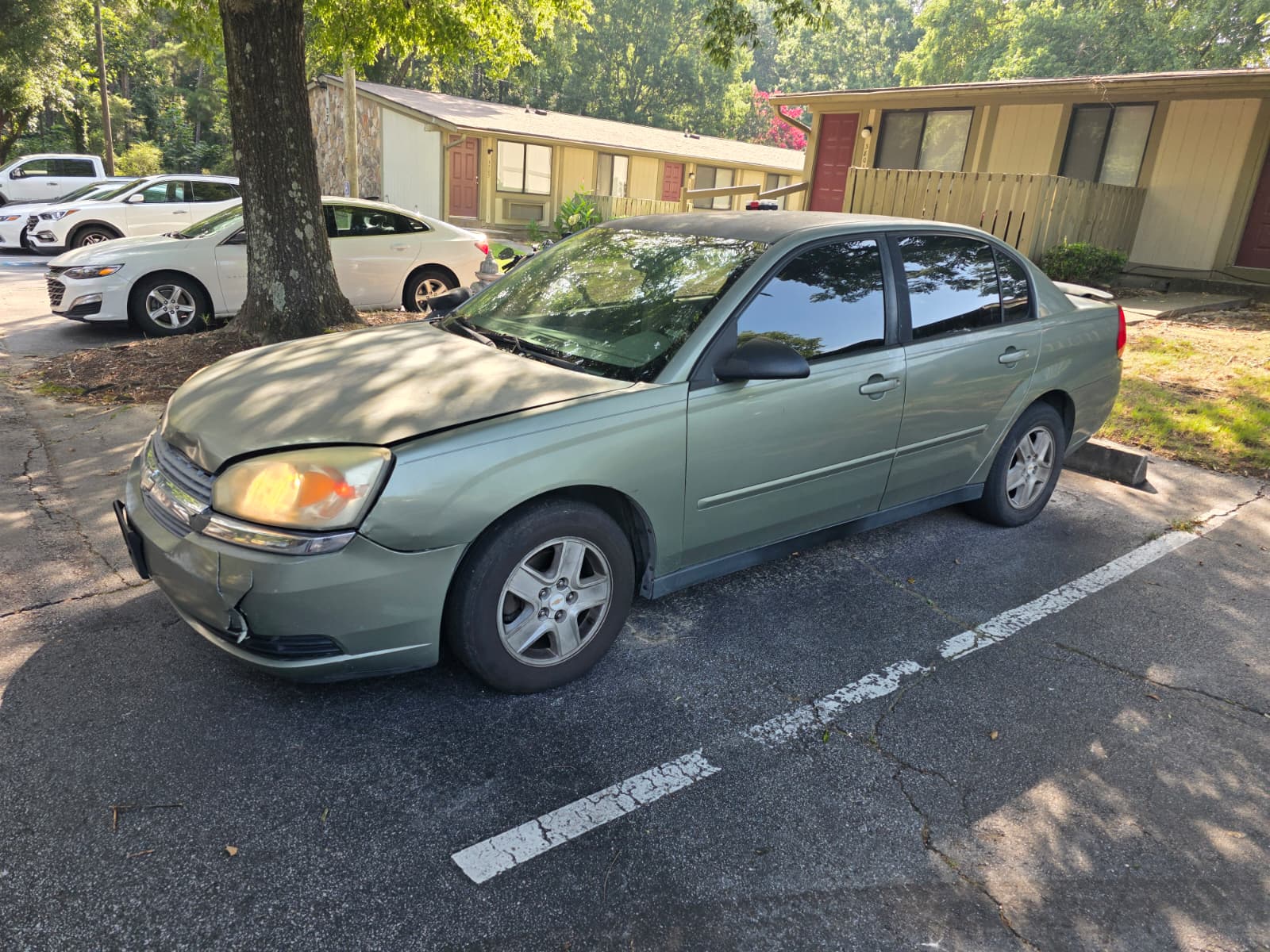
A Vehicle Identification Number (VIN) is a unique 17-character code that acts as your car's fingerprint. You can find it in several key locations: the most common is on the driver's side dashboard, visible through the windshield. It's also stamped on the driver's side doorjamb (on a sticker or metal plate) and on important documents like the vehicle title and registration.
To read a VIN, you break it down into three main sections. The first three characters are the World Manufacturer Identifier (WMI). This tells you where the car was built and by which company. The next six characters (positions 4 through 9) form the Vehicle Descriptor Section (VDS). This provides details about the model, body type, engine, and other specific features. The final eight characters (positions 10 through 17) are the Vehicle Identifier Section (VIS), which includes the model year, assembly plant, and a unique serial number.
Here is a breakdown of what each character in a VIN represents:
| VIN Position | What It Represents | Example Data Points |
|---|
| 1 | Country of Origin | 1, 4, 5 (USA); 2 (Canada); 3 (Mexico); J (Japan); W (Germany); K (South Korea) |
| 2 | Manufacturer | G (General Motors); F (Ford); B (BMW); T (Toyota) |
| 3 | Vehicle Type | Often indicates the division or vehicle type (e.g., truck, SUV) |
| 4-8 | Model, Body Style, Engine | Specific codes for model (e.g., Camry), body (sedan), and engine size |
| 9 | Check Digit | A calculated digit used to verify the VIN's authenticity |
| 10 | Model Year | L (1990); Y (2000); A (2010); L (2020); P (2023) |
| 11 | Assembly Plant | A specific code for the factory where the car was built |
| 12-17 | Sequential Production Number | The unique serial number for that specific vehicle |
The most reliable way to get a full decode is to use a free online VIN decoder from a reputable source like the National Highway Traffic Safety Administration (NHTSA). This will give you a precise report on the car's factory specifications, which is crucial when buying a used car to verify its equipment and check for recalls.