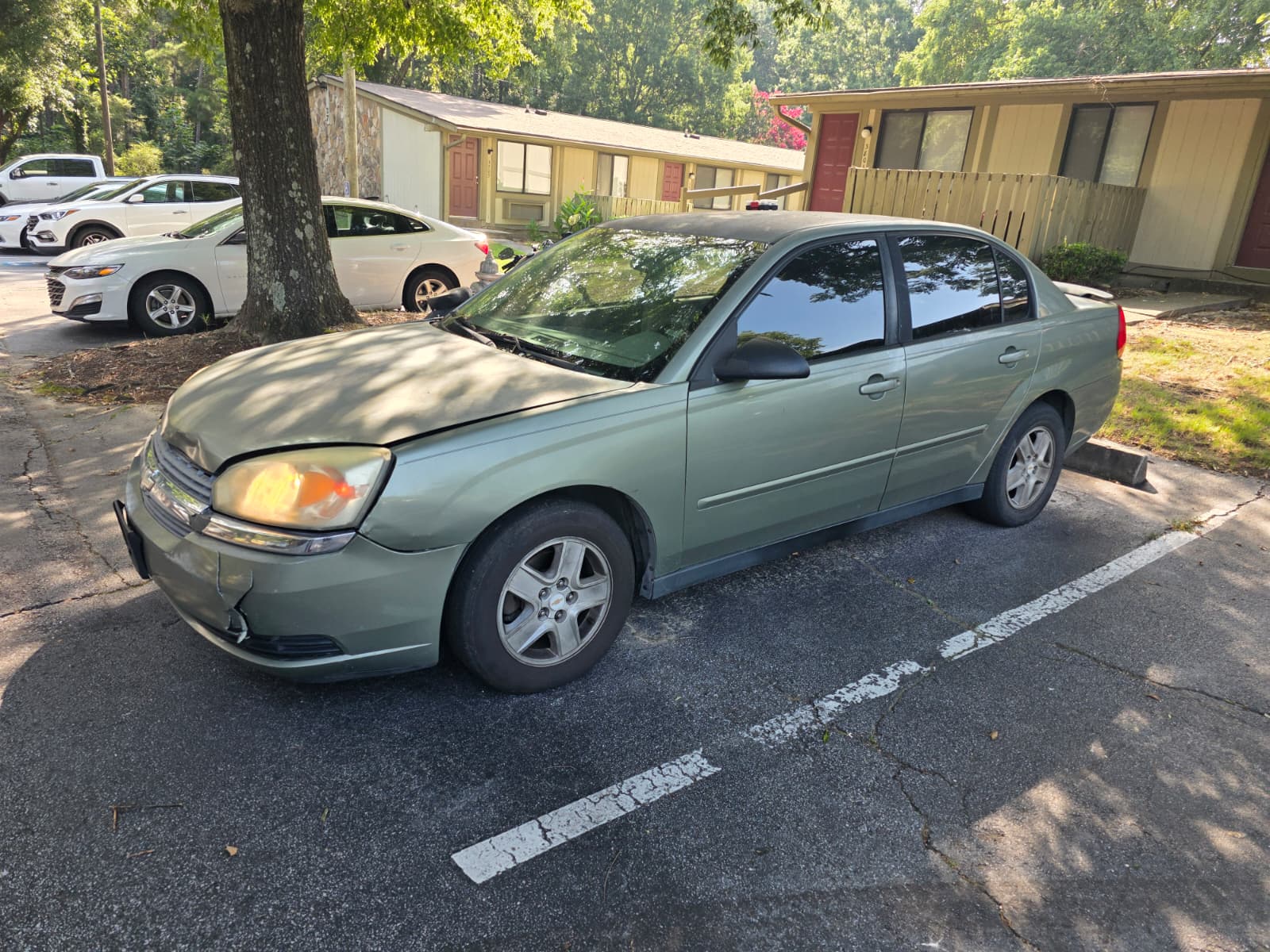
The reasons why the car won't start: 1. Severe carbon buildup inside the vehicle's engine, making it difficult to start; 2. Issues with the vehicle's ignition system, requiring inspection of the spark plugs and high-voltage wires. Abnormal operation of the ignition system can lead to difficulty in starting the vehicle; 3. Unstable fuel pressure in the vehicle's fuel system, where the fuel pump fails to supply fuel properly to the vehicle, resulting in poor fuel atomization or inability to open the fuel injectors, preventing the vehicle from starting; 4. The car is dead, the vehicle has been parked for a long time, the battery has reached the end of its lifespan, the generator is damaged, insufficient or leaking electrolyte, blown fuses, corroded battery terminals, or overuse.

When my car won't start, the first thing I check is whether the has power. If all I hear is a clicking sound or nothing at all when trying to start, it's highly likely the battery is dead; loose or corroded connections can also interrupt the current, a common issue with older cars. Don't overlook the possibility of leaving lights on or a charger draining the battery—it can deplete overnight. Trying a jump start with jumper cables is a simple and effective solution. If the battery is okay, the starter motor might be stuck or burnt out, especially in cars that are a few years old, making them prone to failure and unable to start. Issues with the fuel system, like a non-functioning fuel pump, can also cause this, though it's less common. For safety, make sure the car is in Park to avoid interference from the transmission lock. Regularly checking the battery's health can prevent problems; testing the charge with a friend or a tool can save you from being stranded unexpectedly. It's advisable to carry an emergency power source in the car, which is particularly useful in winter to prevent the car from freezing and requiring repairs.

In automotive terms, failure to start is mostly due to ignition issues. First, check the voltage—replace it or use a charger if it's insufficient. If normal, inspect whether the starter motor is stuck or burnt out; no sound during startup is a telltale sign. Blown fuses are also common—locate the relevant position in the fuse box and replace it with a new one. A faulty relay can also interrupt the circuit. Don’t overlook the ignition system, such as aged spark plugs, though this usually comes with shaking and unusual noises. For fuel-related issues, listen for the fuel pump’s humming sound; silence may indicate a failed pump, requiring a fuel pressure check. Safety mechanisms like a faulty brake pedal sensor can lock the ignition. Detecting minor issues early saves major trouble, and carrying a portable jump starter provides peace of mind on the go. Regular maintenance checks on wiring and component lifespan enhance overall vehicle performance and reduce sudden breakdowns.

Last time my car wouldn't start and it was driving me crazy - turned out the was dead. Quickly used jumper cables from another car to start it, then went to the shop to replace the battery. Low fuel can also prevent starting - my friend's fuel gauge was broken but filling up fixed it. Check the fuse box and replace any blown fuses - they're cheap to replace. Even new cars can have ignition lock issues from dead key fob batteries - an easy fix at any small repair shop. DIY part replacements save time and money - keep some tools in your car for roadside emergencies. Cold weather weakens batteries - a thermal cover helps. Simple troubleshooting saves money and gets you back on the road faster.

When experiencing multiple failed ignition attempts with an old car, always start by checking the . Corroded or loose connection wires can interrupt current flow, preventing ignition; a worn-out starter motor may fail silently and require replacement. An aging fuel pump that can't deliver fuel will also cause ignition failure, while diesel vehicles in winter often face faulty glow plugs. Occasionally, the engine immobilizer system may falsely trigger and lock the engine, requiring professional unlocking. The lesson is regular maintenance: replace spark plugs and clean carbon deposits to maintain ignition efficiency, and renew the battery every 2-3 years to prevent depletion. If ignition fails on the road, avoid excessive attempts to prevent motor damage—stay calm, start with simpler checks, and prioritize safety.

Car won't start and want to save money? First check issues - replacement is cheap at just 100-200 yuan. No sound when starting? Check if the starter motor is broken - repairs are slightly more expensive. Blown fuse? Easy to replace for just a few cents. Fuel pump failure? Try filling up the tank or listen for a humming sound near the fuel tank. For modern cars with electronic faults, reading error codes can save diagnostic fees. Regular battery replacement prevents starting failures, and spark plug maintenance extends lifespan to avoid major repairs. Roadside assistance tools can help with testing - don't overlook small factors that accumulate costs. Frequent maintenance is most cost-effective, saving expenses long-term while ensuring safety and reliability.