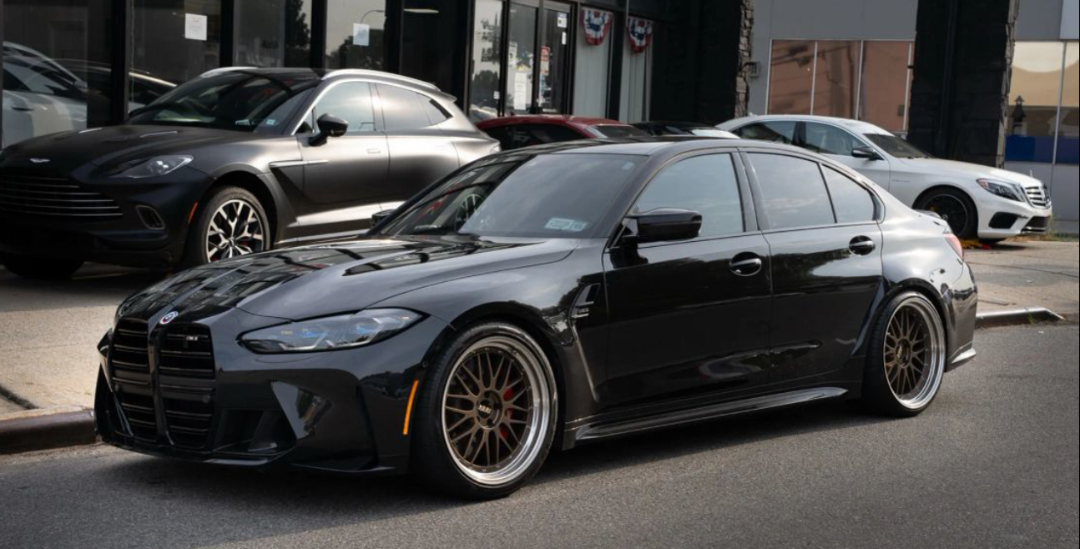
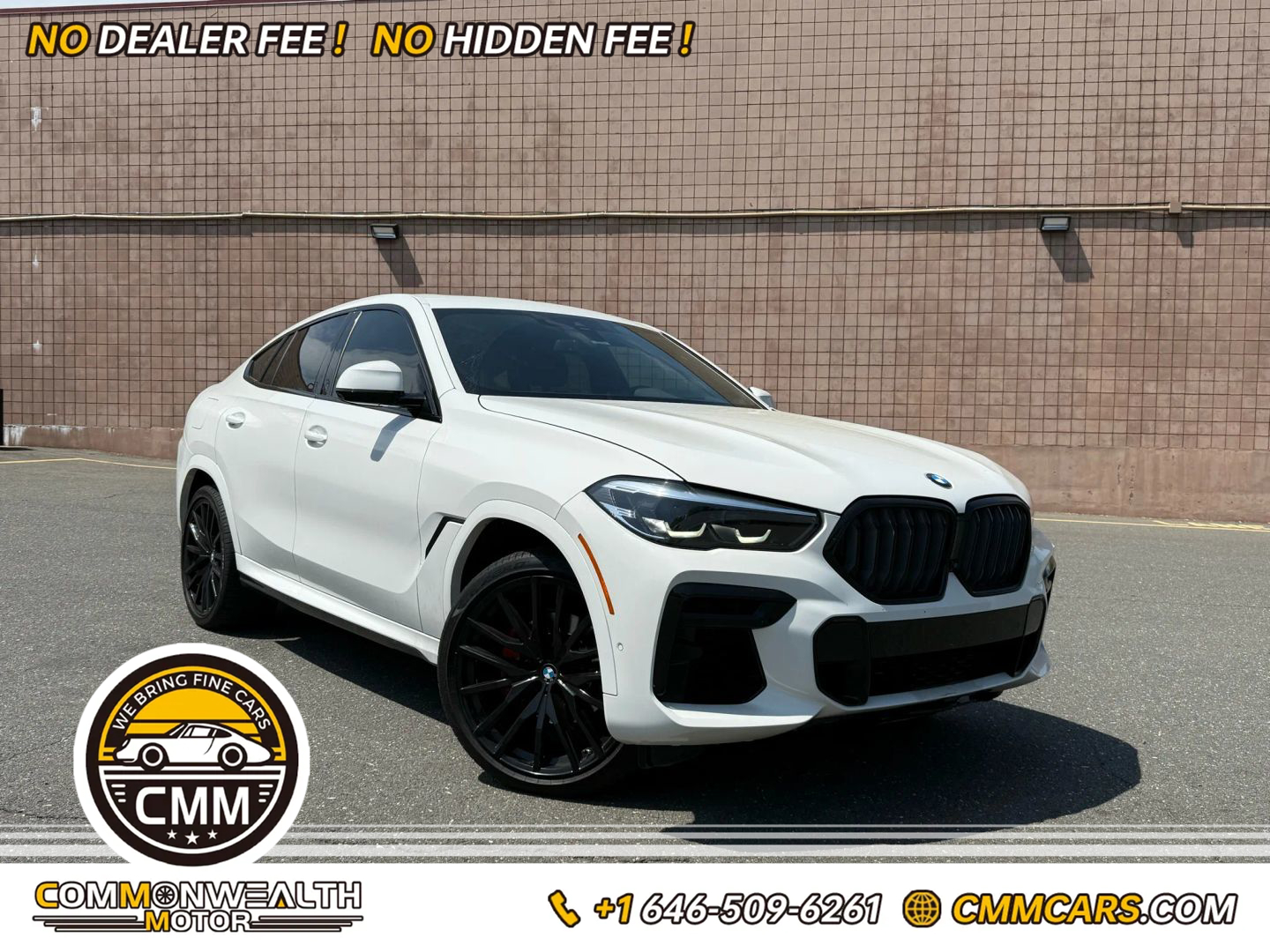
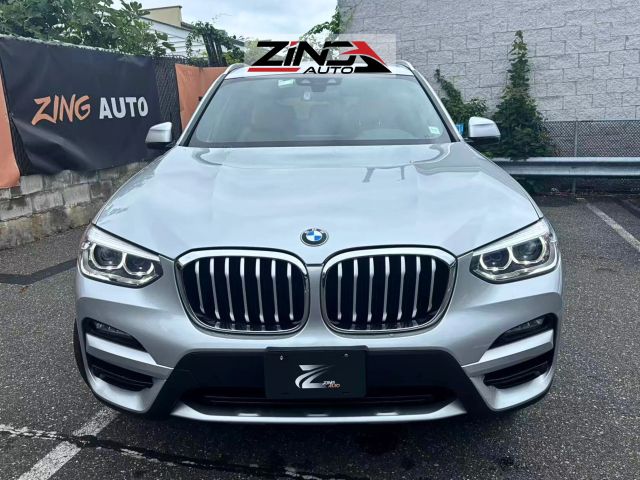
The differences in the X Series mainly lie in the vehicle positioning and pricing. Different positioning: The BMW X1 and X2 are compact SUVs, the X3 and X4 are midsize SUVs, and the X5 and X6 are large midsize SUVs. Different dimensions: The dimensions of the X1 are 456518211624mm, the X2 measures 437918241560mm, the X3 has dimensions of 471718911689mm, the X4 is sized at 476319261632mm, the X5 measures 493020041776mm, and the X6 has dimensions of 492919891706mm.

As a young person considering a car, I compared various models in the BMW X series. The X1 is an entry-level compact SUV with a small body, making it ideal for city driving—easy to park and fuel-efficient, with a relatively affordable starting price of around 200,000 RMB. The X3 is one size larger, offering more spacious rear seating, greater practicality, and smoother acceleration, making it comfortable for road trips or carrying luggage without feeling cramped. The X5 falls into the midsize-to-large SUV category, boasting a more luxurious feel with refined interiors, excellent comfort for long drives, but its starting price of 400,000 RMB is quite steep. The X7 is the largest flagship model, featuring unbeatable space with rear seats suitable for business or relaxation, though it feels bulky for daily driving and has higher fuel consumption. Technologically, all models come with basic smart systems, but advanced features like head-up displays are mostly found in the X5 and above. If you're single or have a small family with a tight budget like me, the X1 is the top choice; if you have kids, the X3 is better; for those pursuing luxury, consider the X5 or X7. However, don’t overlook maintenance costs—higher-end models come with bigger expenses. Also, test-driving multiple options to find the right size and feel for your needs is crucial.

As a stay-at-home mom with two kids, I prioritize space and safety the most. Among the X Series, the X3 is very practical—the back row comfortably seats three, and a stroller fits easily in the trunk. Priced at over 300,000, it's more expensive than the X1 but offers better value for money. The X1, while cheaper, feels cramped when fully occupied and uncomfortable for long trips. The X5 is larger and more luxurious, with ample legroom in the back, but it's significantly pricier and harder to park daily. The X7 is enormous, ideal for a family of seven, but its fuel consumption is staggering. All models come with reliable safety features like collision warning and automatic braking, though size affects stability—the X1 is nimble with sharp steering, while the X7 feels steady but slower on turns. Child seat anchors are standard, but the X3's are easier to access. The X1 is more fuel-efficient, saving costs. Maintenance-wise, the X1 is cheaper to start, while the X5 and up have shorter service intervals and higher costs. For middle-class families like ours, I recommend the X3 for balancing practicality and budget—visit dealerships to test the space differences firsthand. SUVs' higher ground clearance boosts confidence in bad weather, but remember insurance costs rise with the model.

I'm passionate about driving and have studied the performance differences in BMW's X Series. The X1's base engine offers quick response and urban agility, but its acceleration is average, making it suitable for daily use. The X3, especially the M40i version, delivers significant power upgrades, stiffer suspension, and thrilling handling with strong acceleration, ideal for driving enthusiasts. The X5, with its optional V8, boasts explosive power and high-speed stability, though its heavier body affects agility. The X7, also with a V8, is even more powerful but has slightly slower steering. The X4 and X6, as coupe SUVs, feature sportier tuning for sharp cornering but sacrifice some practicality. Engine options range from turbocharged four-cylinders to high-performance V8s, with prices doubling and fuel consumption increasing accordingly. Suspension varies from standard to air suspension, and the X7 offers the best noise insulation. There are many aftermarket parts like wheels and exhausts, but the factory M Performance package is already quite aggressive. In high-speed lane changes, the X3 is more agile while the X5 is more stable. Off-road capabilities are limited, as these models are primarily road-oriented. If you're a performance enthusiast and don't mind the cost, go for the X3M or X4. For commuting, the base X1 is a good choice—test-driving is key to feeling the throttle response.

As a business professional who frequently travels, comfort is a top priority for me. The X5 features a luxurious interior with premium leather seats that offer excellent support, ensuring no back pain during long journeys, and boasts superior sound insulation for a quiet ride even at high speeds. The X7 is even more upscale, with a spacious rear cabin, independent climate control, and entertainment screens, making it feel like a mobile office—though its high price and bulkiness make it less practical for daily driving. The X3 provides moderate comfort at a more affordable price, with adequate support, though engine noise is slightly noticeable. Air suspension comes standard on the X5 and above, delivering smooth and cushioned rides, while it's an optional feature for the X3. In terms of space, the X5 has a large trunk that easily accommodates files and luggage, whereas the X7 offers expansive room, even allowing you to lie flat. High-tech features like gesture control and multi-screen systems are more abundant in premium models, but basic driving assistance is available across the lineup. Seat heating and ventilation options vary, with the X5 offering more standard features. Quietness is crucial for business calls, and the X7 excels here, though its maintenance costs are significantly higher. If budget is tight, the X3 is sufficient, but otherwise, the X5 is recommended for a luxurious experience while saving some money. For frequent travelers, don’t overlook rear USB ports and Wi-Fi stability.

I'm very budget-conscious when a car, with a limit of 300,000 RMB, looking at BMW's X series. The X1 is the cheapest, starting at just over 200,000 RMB, with basic configurations that are sufficient, fuel-efficient, and easy to maintain, but it has limited space and can't carry much. The X3 is mid-range, just over 300,000 RMB, with significantly more space, increased storage, and improved rear-seat comfort, offering the best value for money. The X5 exceeds 400,000 RMB, luxurious but with higher fuel consumption, expensive insurance, and shorter maintenance intervals, doubling the costs. The X7 is nearly a million RMB, top-tier but not cost-effective unless you're wealthy. In the used car market, the X3 holds its value better. Engine-wise, the basic four-cylinder is enough for daily use, but horsepower increases with the model, along with fuel consumption; electric versions are available but more expensive. The X1's interior feels more plastic, while the X5's leather is more upscale. Safety standards are met, but lower trims lack some tech assists. My advice for budget-conscious buyers like me: try the X1 first; if it's not practical enough, then consider the X3. Avoid impulsive purchases of higher trims—long-term costs like insurance, maintenance, and fuel far exceed the car's price. Do monthly cost comparisons with other brands in the same price range.