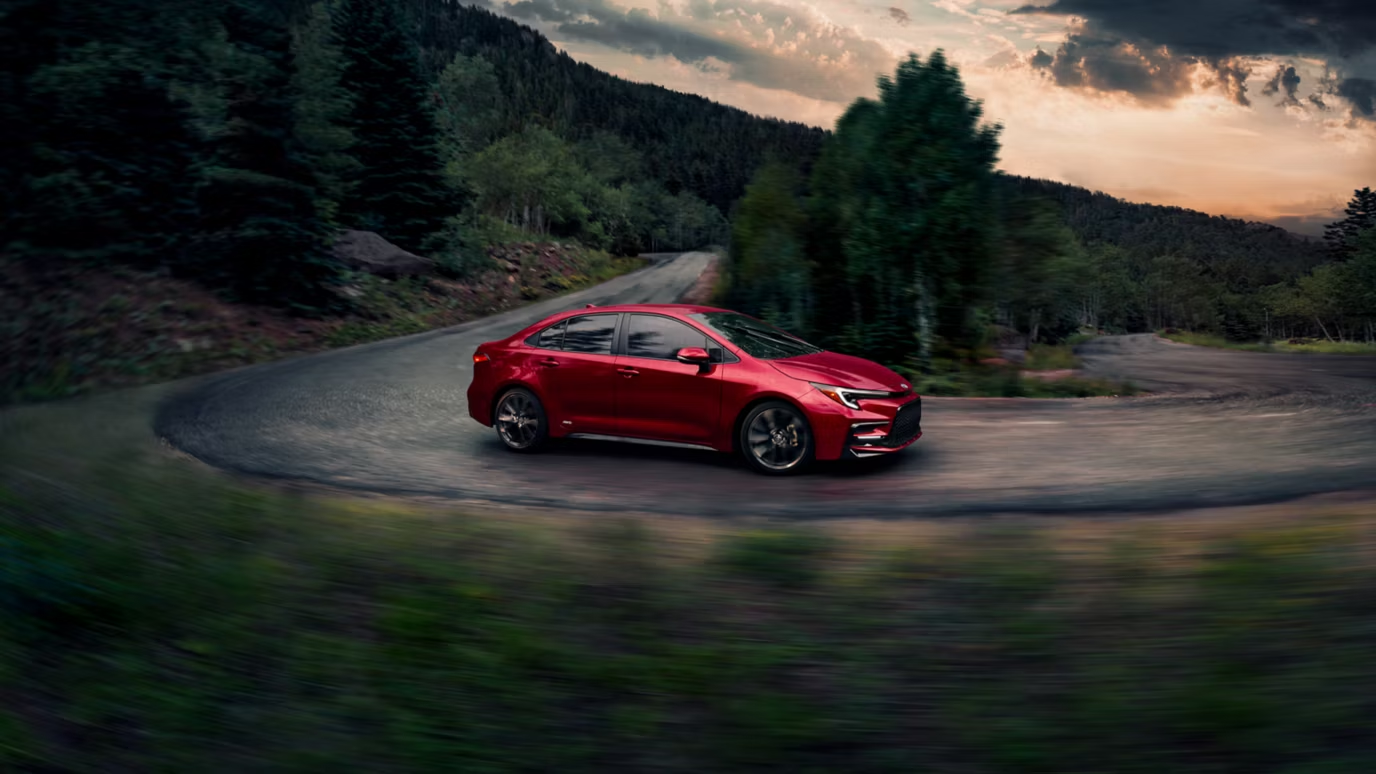
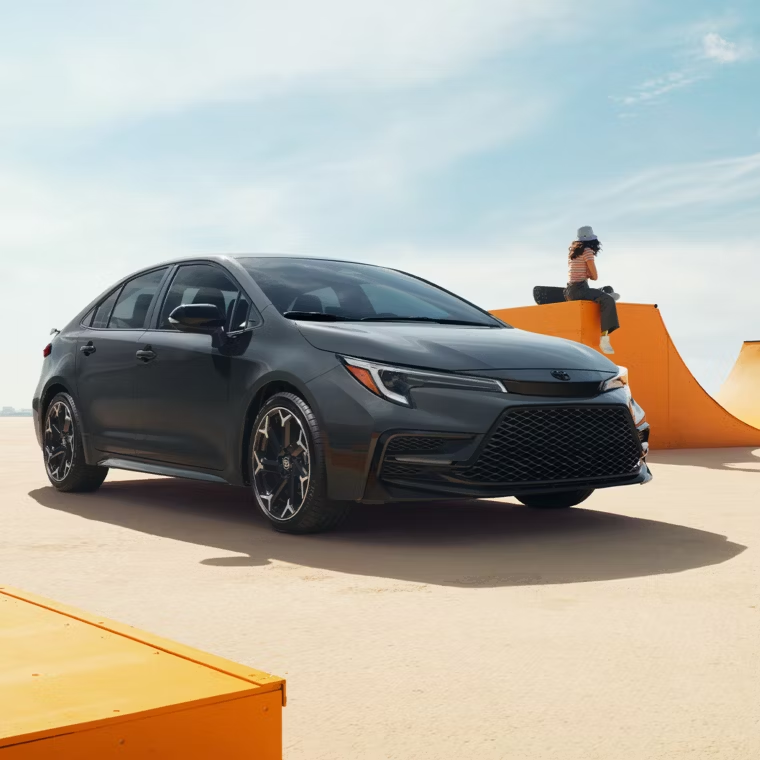
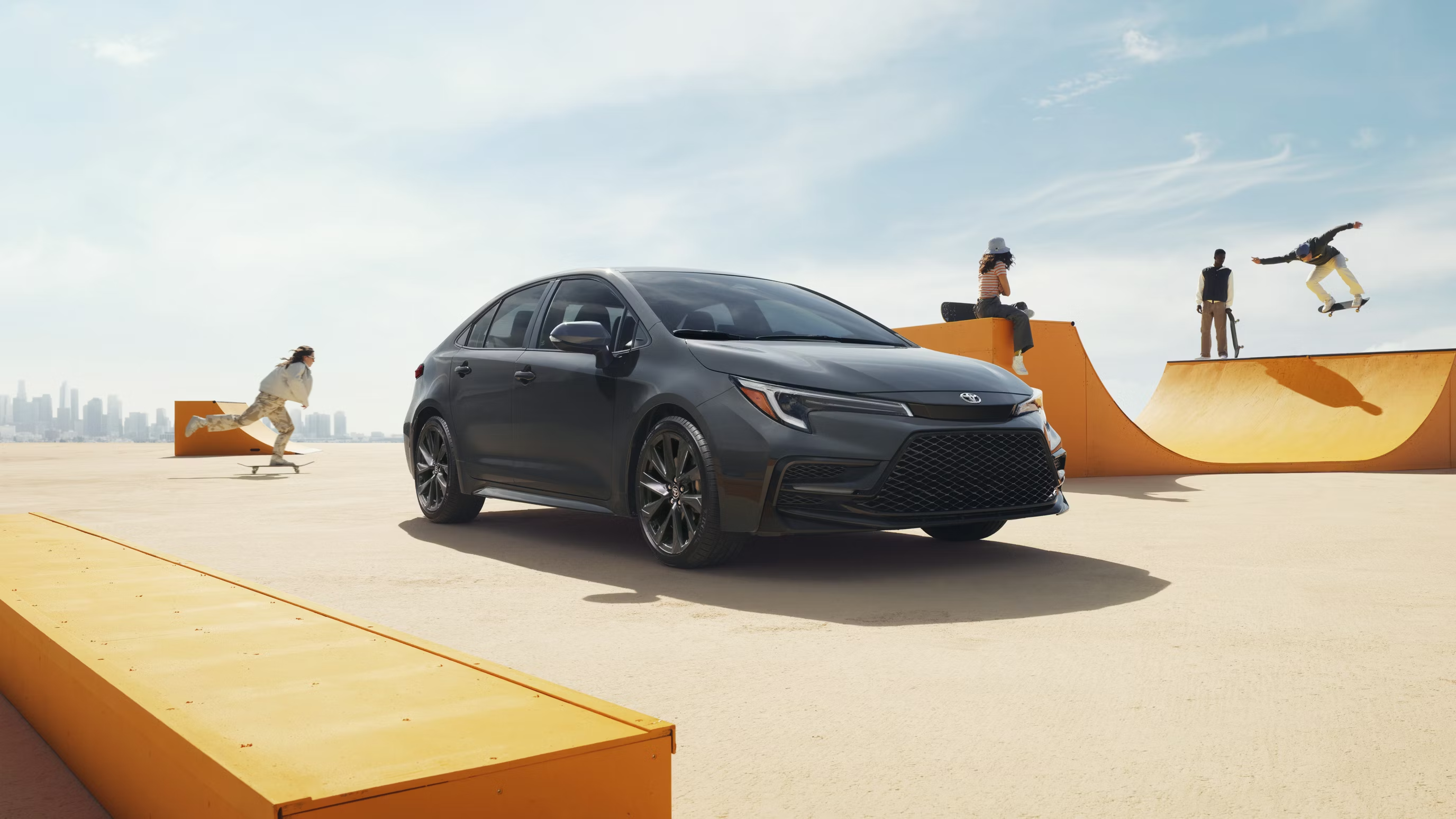
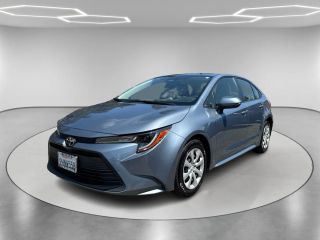
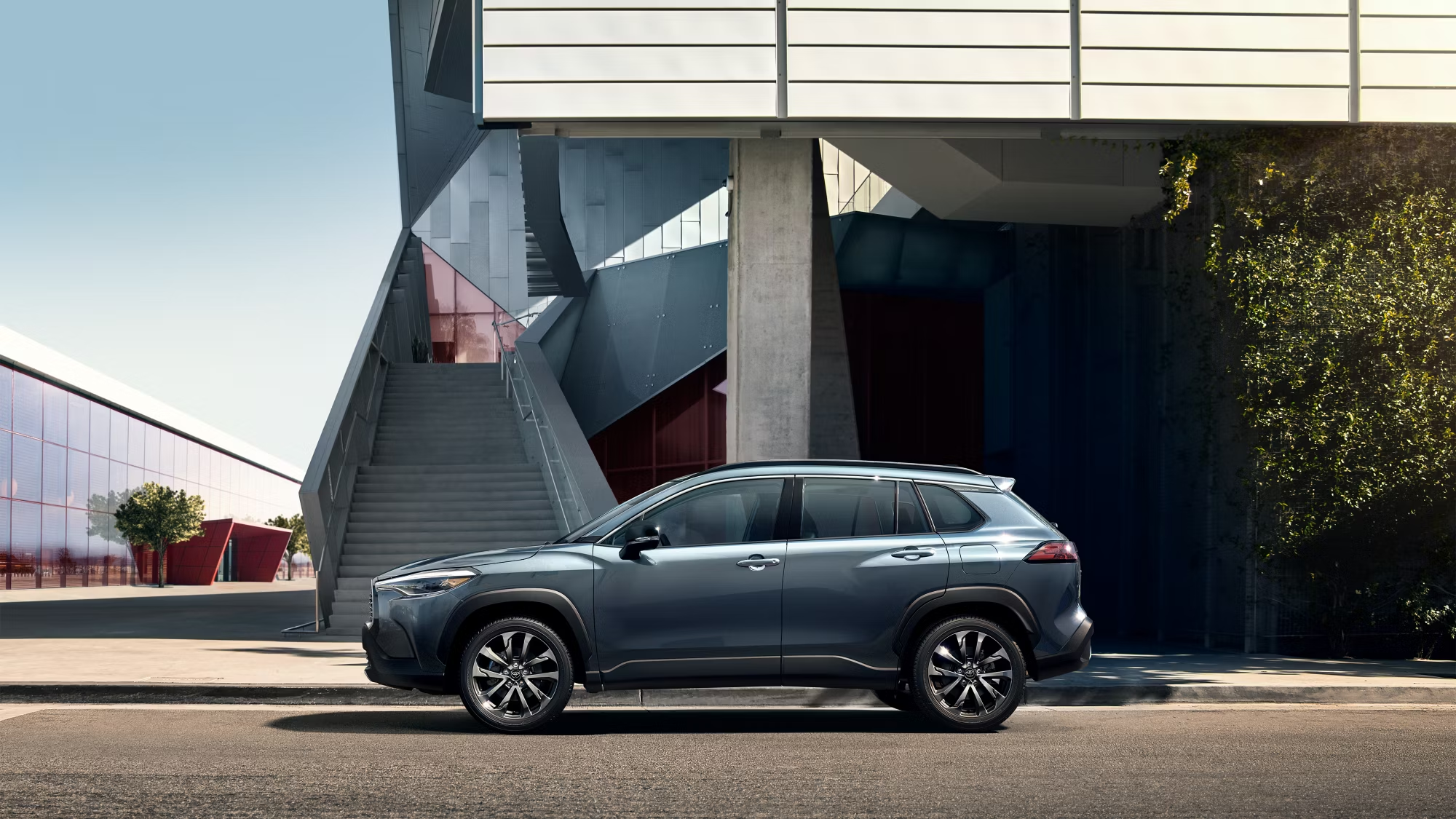
The Corolla's power steering is electric. More information about the Corolla is as follows: 1. In terms of exterior design, the COROLLA-HYBRID features a highly distinctive and advanced appearance, incorporating slim headlights and 'lightning-shaped' LED daytime running lights, complemented by chrome trim with both glossy and matte finishes, exuding a premium feel. 2. The Corolla's interior features a hybrid-specific instrument panel, a dedicated center console, and additional stitching, showcasing a sense of sophistication and advancement.

I've worked in a repair shop for over a decade and know the Corolla inside out. Older models before 2006 mostly came with hydraulic power steering - you could really feel the steering wheel being heavier, especially during cold winter starts. After the facelift, they all switched to electric power steering. Nowadays, the new Corollas on the road have feather-light steering that doesn't strain you at all during traffic jams. The biggest advantage of electric power steering is eliminating hydraulic fluid and regular , plus the system automatically adjusts steering weight based on speed, making highway driving rock steady. Some people complain about the vague road feel with electric steering though - that's really a matter of personal preference.

Last week, I helped my cousin pick out a 2023 Corolla and specifically researched its steering system. Nowadays, all compact cars use electric power steering—you won't find any hydraulic fluid reservoir in the engine bay. The biggest advantage of electric power steering is its quiet operation, unlike old hydraulic systems that buzz as soon as the engine starts. The steering feels incredibly light, so much so that even female drivers can make U-turns with one hand. However, when I once drove my friend's older hydraulic-assisted Corolla, although heavier, I could clearly feel the tire feedback over speed bumps—a mechanical sensation that's somewhat lost with modern electric systems. Both systems have their merits, but the new technology is indeed more fuel-efficient and intelligent.

Recently, I drove my colleague's Corolla Hybrid and realized that hybrid models must use electric power steering. Since the engine frequently shuts off, the hydraulic pump simply can't operate continuously. Electric power steering relies on an independent motor, allowing easy steering even when the car is idling at a red light. Now, even the base-model Corolla 1.5L comes equipped with EPS, making parking lot maneuvers particularly smooth. However, when electronic systems fail, it can be quite troublesome. Last week, I encountered a car with a steering module error, and the entire steering wheel instantly became as heavy as a rock. In comparison, hydraulic power steering, though outdated, is simpler and more reliable in structure.

The oldest Corolla I've repaired was the 9th generation, where hydraulic power steering pump leaks were a common issue. Replacing it with an OEM part would cost over 2,000 yuan. Nowadays, new cars are fully electronic, making things much easier. The electric motor is directly mounted on the steering column, eliminating even the drive belt. I drove the latest model from a rental company and could feel the system subtly adjusting the steering effort: light as a toy car when maneuvering at low speeds, yet firm and stable when cornering at high speeds. Once in the rain when the ESP intervened, I distinctly felt the electric power steering working in tandem with the anti-skid system to control the steering wheel. Technological advancements have truly made driving easier and safer.

I remember driving my relative's Corolla back in 2008, the hydraulic power steering felt as heavy as a go-kart. Now that I've bought a 2022 hybrid model, the electric power assist is so light I can park with just one finger. According to the technical manual, this EPAS system uses a torque sensor to detect hand movements, with the electric motor providing varying levels of assistance based on vehicle speed. The most noticeable difference is on mountain roads - the steering automatically weights up during corner entry to prevent oversteer. However, electronic systems have drawbacks too; once after wading through water, the steering gear threw a fault code, whereas old hydraulic systems would keep working even after being submerged.