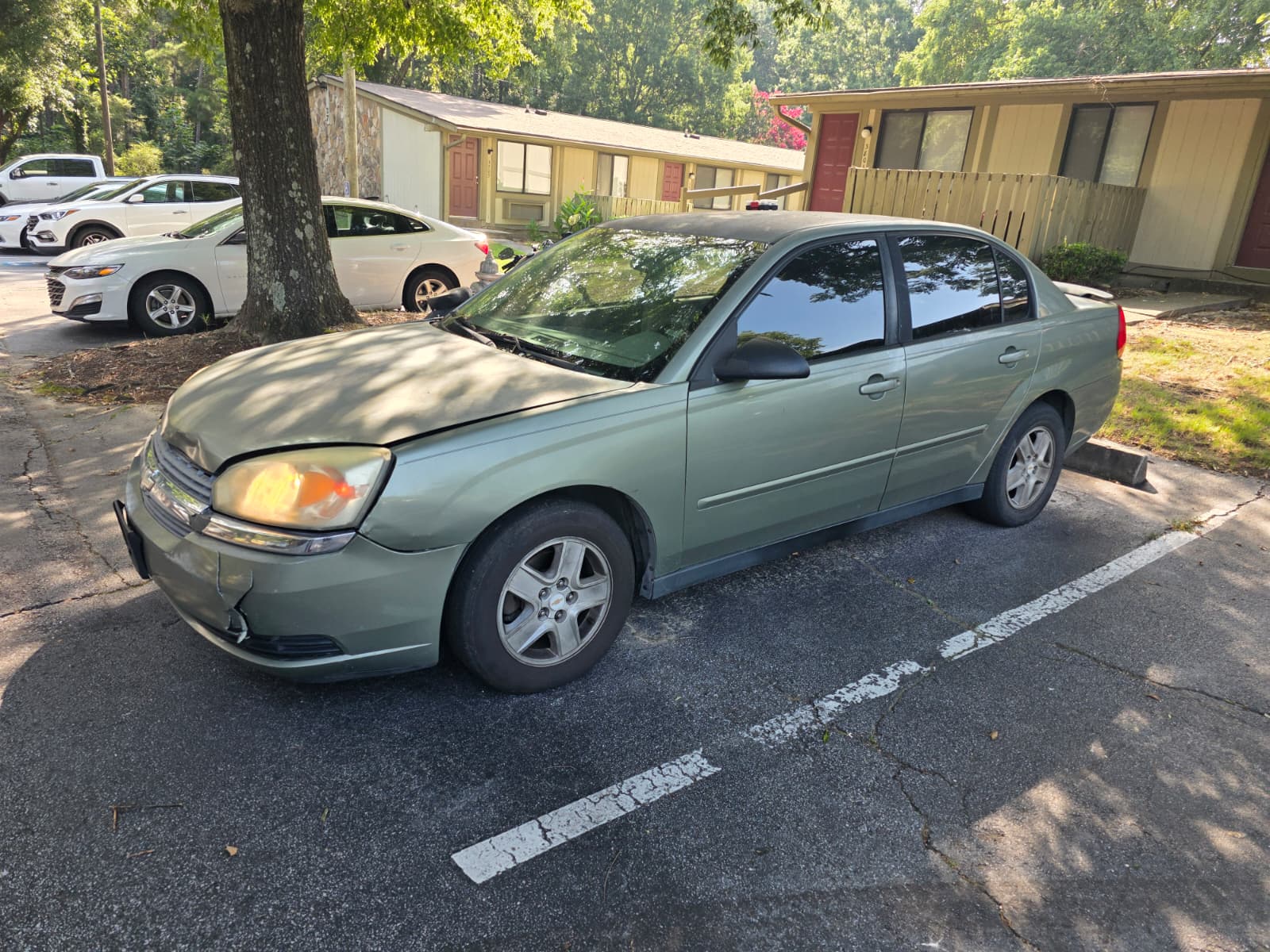
Methods for repairing minor scratches are as follows: 1. Toothpaste: Toothpaste has a grinding function, which is equivalent to applying a layer of wax to the car, thus achieving a good repair effect. However, toothpaste can only be used for very light scratches and is not effective for deep scratches. 2. Car Paint Scratch Repair Agent: The repair agent has a grinding effect and can quickly repair the damaged part of the car paint, but it can only repair minor scratches. 3. Touch-up Paint Pen: Using a touch-up paint pen can cover some small and shallow scratches, making them less noticeable. Although the effect is not as good as the original factory paint and the durability cannot compare to it, the touch-up paint pen provides a relatively good overall effect for localized touch-ups.

I've also encountered minor scratches on my car before, and handling it myself is actually quite simple. First, wash the car and clean the area around the scratch. If the primer isn't damaged, use toothpaste to rub back and forth for a few minutes, then rinse it off—shallow scratches will basically disappear. If the primer is exposed, I recommend a touch-up paint pen kit. Start by smoothing the edges with fine sandpaper, apply the primer and wait half an hour, then apply the matching paint. Once it's dry, polish it with scratch wax. However, note that metal areas must be repainted to prevent rust. For larger areas, it's better to visit a repair shop, as they have professional paint baking equipment for better results.

Our shop frequently handles minor scratch repairs for car owners, and to be honest, we don't recommend doing it yourself. There's a lot to consider when it comes to paint repair: first, you need to assess the extent of the damage. Superficial scratches can often be fixed with polishing, but if the damage reaches the color coat, professional treatment is a must. Using a touch-up pen yourself often results in color mismatches, and applying it too thickly can cause clumping. We recommend driving straight to a repair shop—they can perform seamless repairs for just a few hundred dollars, and it's done in three hours. If the sheet metal is dented, get it fixed as soon as possible to avoid water accumulation and rust, which can be troublesome. The easiest way to avoid all this is to park farther away from curbs and barriers.

Nowadays, those touch-up paint kits with small dent repair tools are quite popular. I bought one and tried it twice. The process is pretty foolproof: after cleaning the surface, squeeze the filler into the scratch and smooth it out with a scraper. You can even do other things while waiting for it to cure. Finally, use a polishing cloth to buff in circular motions—the key is to apply multiple thin coats. However, white paint tends to yellow, so for light-colored cars, it's better to on professional color matching. Remember to shake the touch-up paint well before use, otherwise, the color difference can be very noticeable.

Last week I tried a DIY method I found online to deal with door scratches. First, I used a towel dipped in 75% alcohol to clean the stains, then applied mentholatum oil and rubbed it back and forth for a minute – surprisingly, the light scratches faded. But this is just a temporary fix. Proper paint repair requires sandpaper, filler putty, and a heat lamp. I'd advise beginners not to attempt bumper repairs as plastic parts demand higher precision. Be extra careful around headlights – if paint repair agents get on them, it'll cause fogging.

An experienced neighbor driver taught me some practical tips: the key to minor scratch repairs lies in the location. Plastic bumper parts can wait, but metal body panels must be addressed immediately. I always keep emergency wax putty on hand - when encountering minor scratches, I just knead some putty to fill the gaps, which can last two to three months. For actual touch-up painting, choose overcast days as strong sunlight causes paint to dry too quickly, resulting in orange peel texture. Avoid washing the car for three days after touch-up as the new paint is more fragile than factory finish. Actually, most minor damage can be fixed with polishing - repair shops charge around a hundred yuan, which is quite cost-effective.