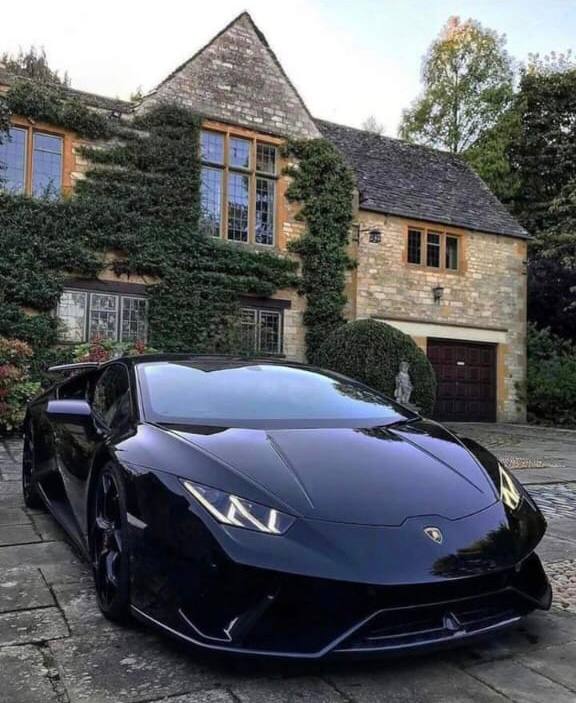
Lowering a car is considered an illegal modification. While a lowered car can be driven on the road, it will not pass the annual inspection. The original condition must be restored for the inspection to pass because lowering alters the car's original appearance. Moreover, lowering a car is purely for aesthetics and lacks practicality. Below is an introduction to car modifications: 1. Considerations for car modifications: The state has strict regulations on vehicle modifications. The car's body color and interior can be legally modified. However, modifications to the braking system, power system, and suspension system, which affect the car's safety, are not allowed. Incorrect modifications may result in fines. In the event of severe accidents causing irreparable damage, it is necessary to report and undergo inspection by the vehicle office again. 2. Legal restrictions on car modifications: According to laws and regulations, the car's model, engine model, and frame number cannot be modified, and the body structure must not be damaged. Replacing the engine, body, or frame requires submitting a qualified motor vehicle safety technical inspection certificate, and the area of car stickers must not exceed 30% of the total body area.


I've modified my car to be low-profile a few times myself, and it felt pretty cool, but later I realized it's illegal. In our country, traffic regulations explicitly prohibit arbitrarily altering the vehicle's ground clearance because it affects the car's safety design. Reducing the ground clearance makes it easier to scrape the chassis and damage components when encountering uneven roads; it also worsens handling. If caught by traffic police or during the annual inspection, it will directly fail and result in fines, and may not cover accidents. If you really want to modify, I suggest focusing on compliant methods, such as choosing certified suspension system kits or consulting professional modification shops, rather than taking risky shortcuts.

I'm also a car enthusiast and wanted to lower my car for a cool look, but it's illegal. Regulations state that vehicle height cannot be arbitrarily modified. Lowering the chassis not only makes handling dangerous but also increases wear and tear, and it will definitely fail the annual inspection. If caught by the police, you'll be fined without question, and it's even worse for safety. I think it's better to make some modifications, like changing the rims or adding decals—just as stylish but without the hassle. After all, driving safety is more important than looks.

Lowering the chassis is illegal in most places, as traffic laws prohibit altering vehicle height to prevent safety hazards. A lowered car has poor ground clearance and is prone to scraping, while also increasing instability and accident risks at high speeds. It is advisable to comply with regulations and avoid unauthorized modifications.

Lowering the chassis can affect the suspension system balance, leading to handling instability and accelerated wear; legally, this is a violation, and failing the annual inspection due to excessive height may result in fines. Daily driving also becomes inconvenient, such as getting stuck when entering or exiting garages. If you really want to go for a low stance, remember to consult a professional shop to ensure compliance and safety.

As a car enthusiast, I understand that lowering a car is illegal. Chinese traffic laws require maintaining the original factory height, and unauthorized chassis modifications violate safety standards, increasing the risk of accidents and consequences. It's better to choose other compliant modification methods to avoid regret.