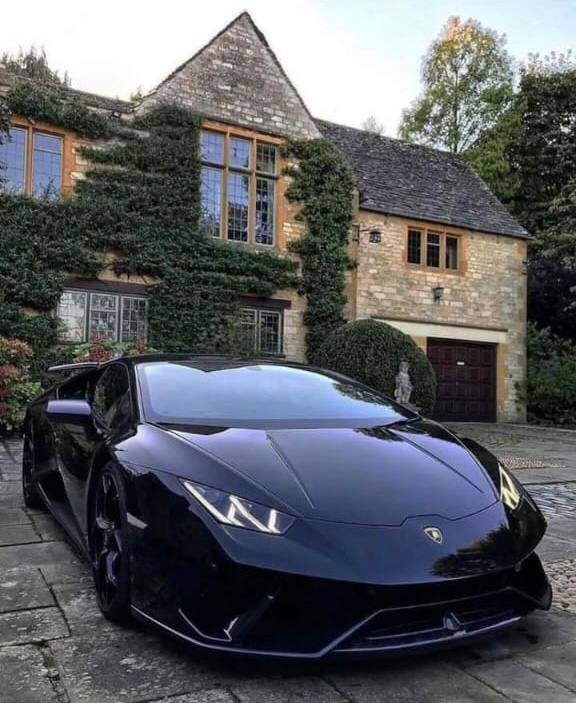
Factory paint is applied in a dust-free environment, while spray paint is not. Here are the relevant details: 1. Automotive spray paint: Automotive spray paint refers to applying a layer of paint to the car's surface to protect it. Automotive spray paint generally uses baking paint. In automobile manufacturing plants, after the frame and body are welded, the next step is painting. Types include standard paint, metallic paint, and pearl paint. The process of automotive spray painting includes applying putty, sanding, and painting. 2. Touch-up pen: A touch-up pen is a tool for repairing car scratches. You just need to select the appropriate model that matches the original car paint color. After applying the touch-up pen to small scratches or areas where the paint has peeled off, it can repair, conceal, and fill in the damage. The components of a touch-up pen are usually the original car paint, and since car models vary, different cars can only use dedicated touch-up pens.


Speaking of the difference between factory paint and repainting, as a veteran car owner, I really have a say. Factory paint is applied when the car is new and baked at high temperatures in the factory, with top-quality materials, uniform color that doesn’t fade easily, and can last over ten years. Like my old car, the paint still looks as good as new. But repainting is different—it’s done manually at a repair shop afterward, using ordinary materials cured at low temperatures, with inaccurate color matching, and over time, it yellows and bubbles. Last time I had a minor scratch repainted locally, and within just two years, there was noticeable color difference. It’s also harder to maintain, requiring frequent waxing and polishing to prevent corrosion. When a car, don’t overlook this—factory paint, though a bit more expensive, offers much better protection. I recommend regular cleaning to maintain its shine.

I've been in this car repair business for over a decade. The main differences between factory paint and repainting lie in the process and materials. Factory paint is applied automatically on the production line, with high-temperature baking that hardens the paint into a unified layer, offering excellent scratch and corrosion resistance. Repainting, on the other hand, is done manually using room-temperature or low-temperature curing materials, which have poorer adhesion and are more prone to peeling and rusting. Color matching is another challenge—factory paint is precisely matched, but color mixing during repairs often isn't accurate, requiring gradual adjustments. At our shop, we always inform customers upfront that repainted areas may discolor faster. Daily shouldn't be neglected either—repainted areas should be kept out of direct sunlight to prevent rust and ensure the vehicle's structural safety.

As a car modification enthusiast, I want to talk about paint differences. Factory paint comes in standard colors from the manufacturer, offering stable and fade-resistant quality but with limited, monotonous options. Custom spray painting, however, allows for personalized color choices—like the bold blue I added, which looks ultra-unique. But the quality is far inferior: factory paint uses premium resin treated at high temperatures for superior weather resistance, while spray paint is manually applied at lower temperatures, prone to fading and bubbling, requiring regular . If your budget allows, I recommend keeping the factory paint as a base and using vinyl wraps for color changes—it protects the body while keeping the look fresh. Avoid frequent polishing to prevent damaging the paint surface and compromising durability.

From a cost-saving perspective, OEM paint is more expensive but far more worry-free. New cars come with factory-applied OEM paint that offers high durability and requires no . While repainting is cheaper for short-term fixes, it uses inferior materials and simpler techniques, leading to oxidation and peeling over time—like my car door that needed annual touch-ups, costing both money and effort. The key difference lies in curing: OEM paint is baked at high temperatures for rock-solid adhesion, whereas repaint dries at room temperature with weaker bonding. For minor scratches, repainting is convenient, but major repairs are best handled by professional 4S shops to ensure quality. Regular waxing can extend repaint longevity, and keeping the body clean is crucial.

This issue concerns vehicle body protection. The original factory paint is applied under high temperature and pressure, forming a sealed layer that resists corrosion. Aftermarket paint are manually sprayed and often lack sufficient curing, making them prone to water ingress and rust. I've seen numerous cases where repainted areas rusted through, posing significant safety hazards. Original factory paint contains anti-oxidants for longer durability, while aftermarket paints often use cheaper formulas that bubble quickly. It's advisable to avoid unnecessary repainting on new cars and prioritize maintaining the original factory paint to minimize damage. Regular washing and coating can protect repainted areas from deterioration, enhancing safety. Always choose reputable repair shops to ensure quality.