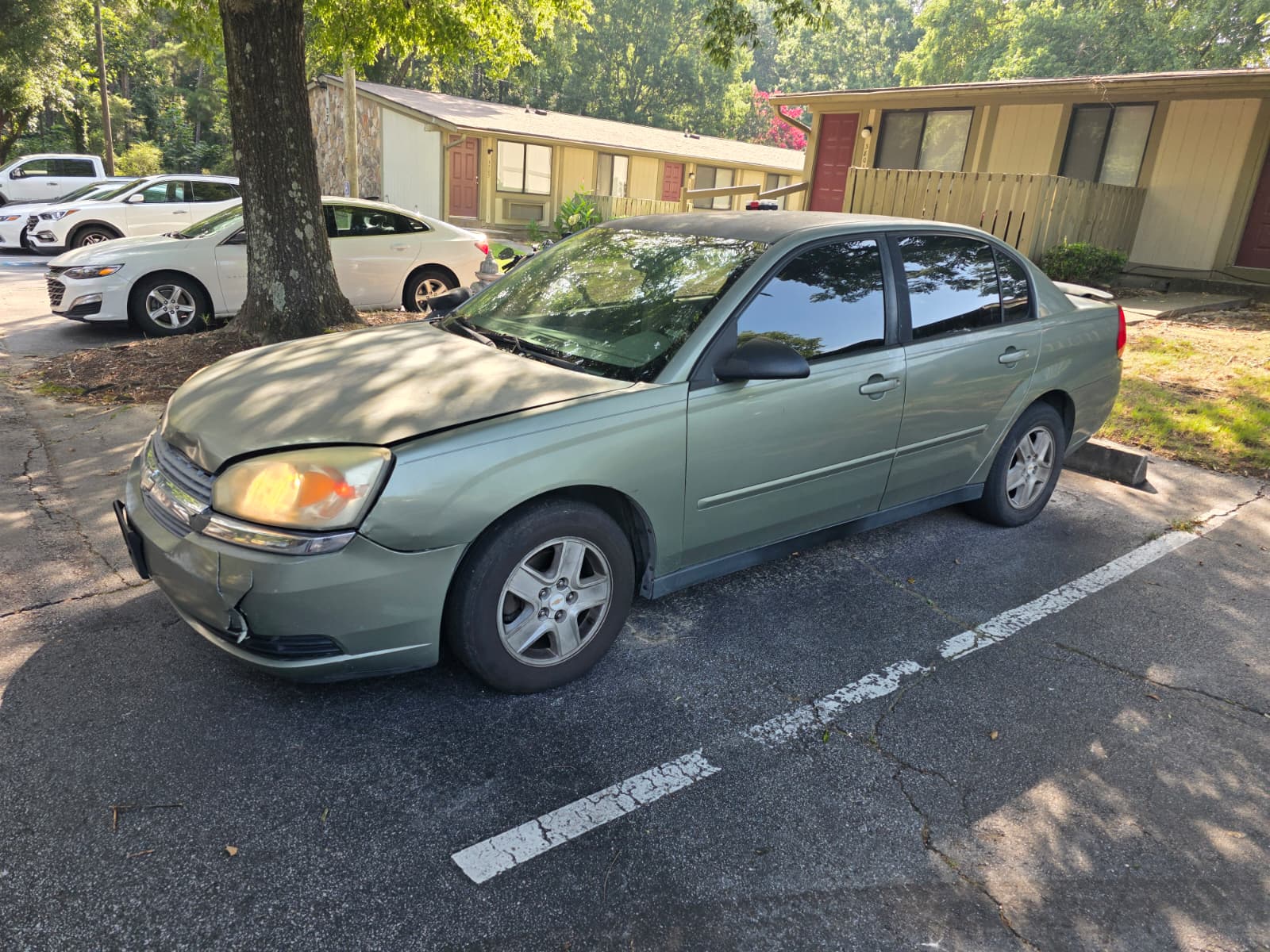
The most straightforward and cost-effective way to add Bluetooth to a car without an AUX port is by using a Bluetooth FM transmitter, which typically costs between $12 and $20. This device plugs into your vehicle's 12V power outlet (cigarette lighter), pairs with your smartphone, and broadcasts audio to a selected, unused FM frequency on your car radio. It’s a universal solution that provides decent audio quality for most users and avoids the complexity of installing new hardware.
For optimal performance, selecting a clear FM frequency is critical. In urban areas with many radio stations, interference can cause static. Using an online tool like radio-locator.com to find a completely empty frequency in your specific location can significantly improve sound clarity. Set your phone's media volume to maximum and control the overall level through your car's stereo for the best dynamic range.
Several other viable methods exist, each with distinct cost, quality, and installation trade-offs. The right choice depends on your car's existing equipment, your budget, and your desired audio fidelity.
| Method | How It Works | Avg. Cost | Best For | Key Consideration |
|---|
| Bluetooth FM Transmitter | Plugs into 12V outlet, transmits to car radio via FM. | $12 - $40 | Any car with a working FM radio. Quick, removable solution. | Audio quality can suffer from FM static, especially in cities. |
| Bluetooth Cassette Adapter | Inserts into car's cassette deck. Contains a Bluetooth receiver. | $15 - $30 | Older vehicles (pre-2000s) that still have a functioning tape player. | Requires a cassette deck. Sound quality is generally good but limited by tape head technology. |
| Direct-Wire FM Modulator | Hardwired between car antenna and stereo. Requires minor installation. | $25 - $60 | Users seeking better sound quality than a plug-in transmitter, with less interference. | Requires accessing the back of the radio. A step up in installation difficulty. |
| Aftermarket Stereo Replacement | Replaces the factory head unit with a new Bluetooth-capable stereo. | $50 - $500+ | Anyone wanting native, high-quality Bluetooth, USB, and modern features like Apple CarPlay/Android Auto. | Highest cost. May require a wiring harness and dash kit. Professional installation often recommended. |
If your primary goal is hands-free calling rather than music streaming, a dedicated Bluetooth car kit is another option. These systems often include a separate speaker and microphone that clip to your visor, connecting directly to your phone. They bypass the car's audio system entirely for calls but do not play media through the car speakers.
Ultimately, for a balance of ease, cost, and acceptable quality, the Bluetooth FM transmitter is the recommended starting point. For a permanent, high-fidelity solution, investing in an aftermarket stereo is the definitive upgrade, typically offering the best return on investment in terms of user experience and audio performance.