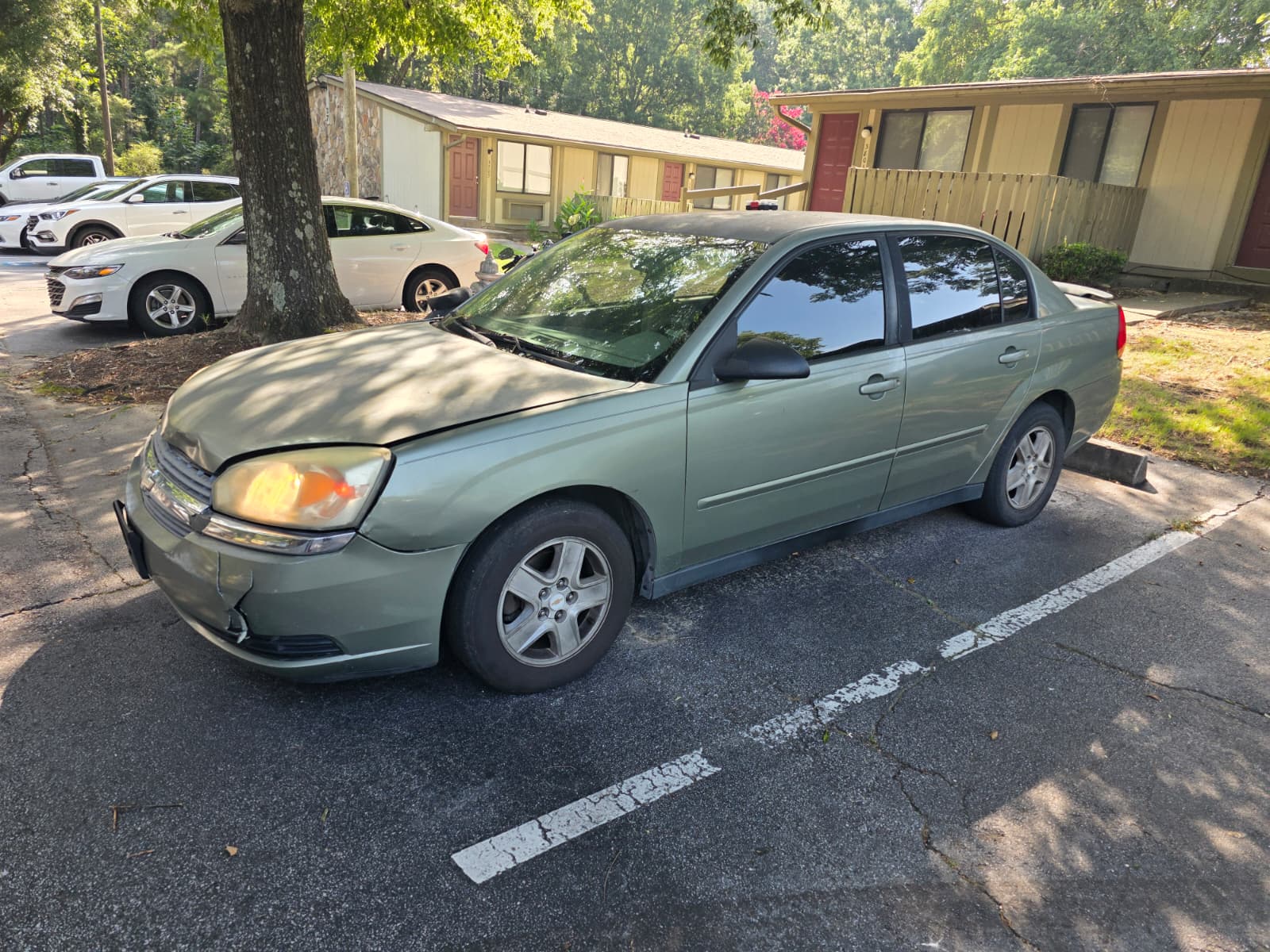
Rain after waxing a car has no negative effect, as the primary function of waxing itself includes waterproofing and protection against acid rain. Car wax can reduce the amount of water droplets adhering to the body by approximately 50-90%, so rain after waxing can actually help prevent corrosion. Benefits of Car Waxing: Waxing provides waterproofing, reducing watermarks, dark spots, rust, and damage to the paint; anti-aging effects, decreasing UV damage to the paint and extending its lifespan; gloss enhancement, improving the smoothness of the paint to varying degrees and making the car's color more vibrant; anti-static effects, reducing damage to the paint caused by friction with dust, wool fabrics, synthetic fibers, etc. in the air; anti-corrosion effects, effectively isolating the paint from damage caused by acid rain and acid mist. Precautions for Car Waxing: Different car body colors require different types of wax. Dark-colored bodies should use black, red, or green series waxes, while light-colored bodies should use silver, white, pearl white, etc. Additionally, if the driving environment is harsh, a more protective tree resin wax should be used. Of course, new cars do not need waxing because the surface of a new car already has a protective wax layer. Waxing too early is also a waste, so it's generally best to wait about five months before waxing.

I've been driving for over a decade and often wax my car myself. Waxing won't go to waste if it rains right after - once the wax fully dries and forms a protective layer, rainwater actually makes the paint shine brighter, provided you're using quality wax. However, if heavy rain hits before the wax has cured, the wax layer may get thinned out, reducing its effectiveness. I always use synthetic wax and wait half a day after application before driving the car. Remember, the main purposes of wax are UV protection and acid rain resistance - rainwater just washes away dust, so the effort isn't wasted. Regular waxing keeps your paint looking new for longer, and you don't need to worry much when driving in rain. When you see water beads rolling off quickly during car washes, you know the wax is still working.

I enjoy doing small DIY projects, so I'm quite familiar with waxing. Wax is like putting an invisible raincoat on your car—once it dries and hardens, rainwater can't easily wash it away, instead, it slides off, taking dirt with it. If it rains heavily right after waxing before the wax has dried, you might lose some of it, but high-quality wax hardens within a few hours. I've used carnauba wax before, and after a light rain, the car looked even cleaner. I recommend checking the weather forecast before waxing and choosing a sunny day or using a quick-drying product. Wax isn't just for sun protection; it also prevents aging, and rain actually tests its protective performance. Don't worry—just add a bit more wax the next time you wash your car. Car isn't easy, after all.

I often wash and wax my car myself, so I know a bit about the principles. The wax solidifies into a thin layer on the paint, and its hydrophobic properties make water droplets slide off easily, so rain generally won't wash the wax away. However, a heavy rain right after waxing might rinse off the uncured portion. If you use a quick-drying wax, light rain is fine; after heavy rain, just check the paint's gloss—if there's no significant change, it's okay. Essentially, wax is a protective coating, and rain actually activates its protection, offering long-term benefits.

I'm used to waxing my car by myself on weekends. After waxing, the rain won't wash it away in vain, as the wax becomes resistant to rinsing once fully dried. Choose the right timing, like waxing on a sunny day, and wait at least 4 hours for it to cure. If it gets rained on accidentally, wipe it dry with a soft cloth and observe; if the wax layer remains intact and the paint shines, it's good. Regular waxing can prevent rust, and rain tests its endurance, so it's not a waste.

I have extensive waxing experience and believe that rain showers don't render waxing pointless. Once cured, the wax acts like a barrier, with raindrops sliding off and actually cleaning the surface; however, if heavy rain hits before new wax dries, effectiveness diminishes. Using high-quality wax makes the car shine brighter after light rain. Wax protects paint from aging, and rain tests its protective capabilities, offering long-term benefits.