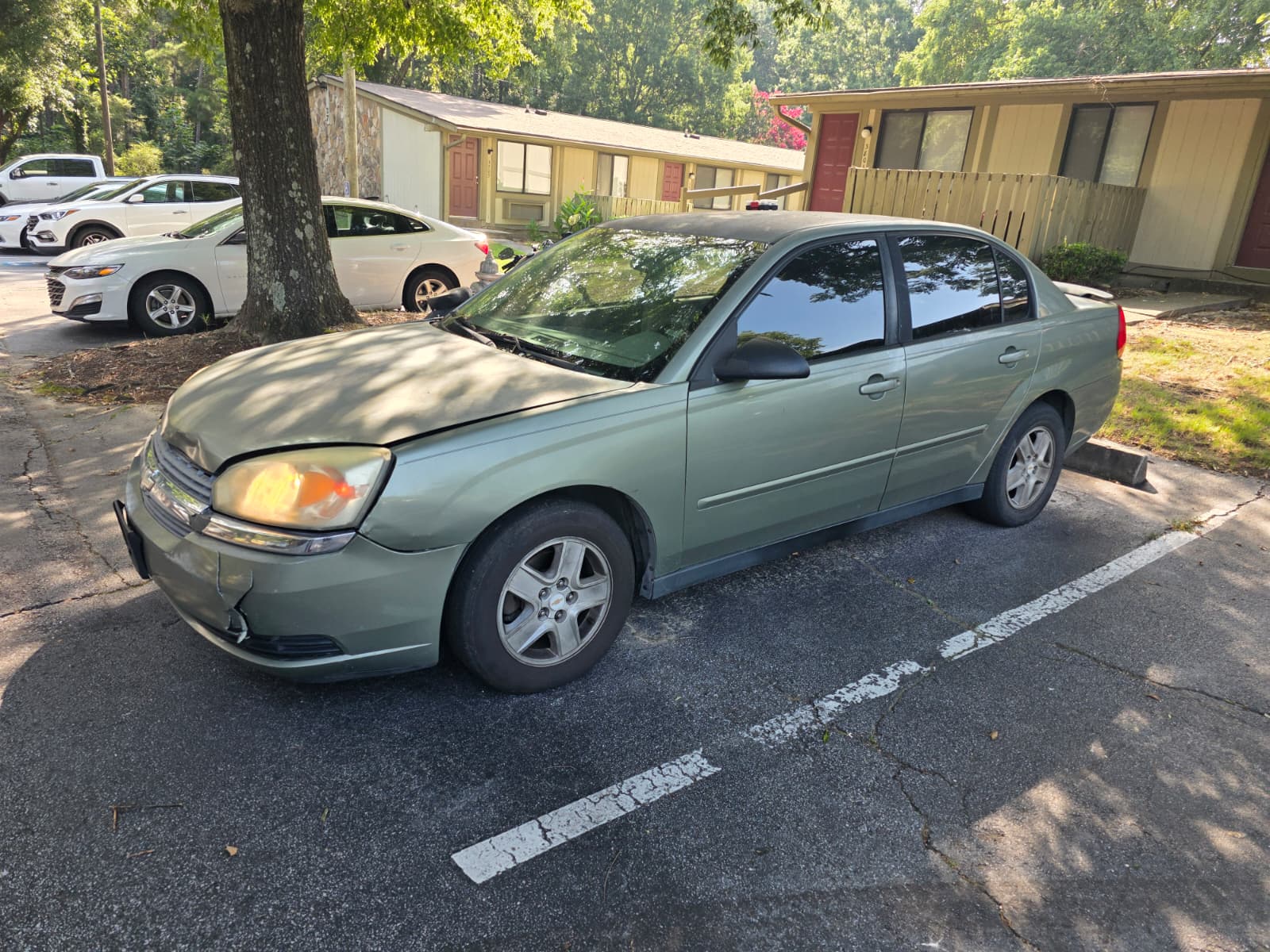
Most cars can drive for about 30 to 50 miles after the fuel gauge hits empty. However, this is a rough estimate and pushing this limit is risky. The key factor is your vehicle's fuel reserve, which is the amount of gas left in the tank when the low-fuel warning light activates. This isn't a standardized amount and varies significantly by model.
Driving on an near-empty tank repeatedly can damage your fuel pump. The pump is submerged in gasoline, which cools and lubricates it. When fuel is critically low, the pump can overheat and fail, leading to a costly repair. To avoid this, it's best to refuel soon after the warning light comes on.
Here’s a look at the estimated range for different vehicle types after the low-fuel light illuminates:
| Vehicle Type | Estimated Safe Range (Miles) | Key Influencing Factors |
|---|---|---|
| Modern Compact Sedan (e.g., Civic) | 30 - 50 miles | Driving style, terrain, AC/heat usage |
| Full-Size SUV/Truck | 25 - 40 miles | Larger, less efficient engine; heavier weight |
| Hybrid Vehicle | 40 - 60+ miles | Ability to switch to electric power, conserving gas |
| Older Model Car (Pre-2000) | 20 - 35 miles | Less precise fuel gauges, potential sediment in tank |
| Performance/Sports Car | 15 - 30 miles | High-performance engines are typically less fuel-efficient |
Your driving habits play a huge role. Aggressive acceleration, high speeds, and climbing steep hills will drain the reserve much faster. Conversely, gentle driving on flat highways can extend the range. Ultimately, the low-fuel light is a serious warning, not a suggestion. Treat it as a signal to find a gas station promptly to prevent being stranded and protect your vehicle's engine.

Think of the "empty" light as a final heads-up, not a challenge. You might get 30 or 40 miles, but why gamble? I've seen too many people stranded on the highway shoulder. It's not just about inconvenience; you can fry your fuel pump. That's a repair bill you don't want. My rule is simple: the second that light glows, my next task is to find a station. It's just not worth the stress or the potential damage.

It really depends on your car. I drive a Camry hybrid, and the manual says I have about 40 miles once the light comes on. I once had to go about 25 miles to the next town, and I made it with no problem, but I was driving very calmly. If you have an older truck or a big SUV, you might have less wiggle room. The best advice is to check your owner's manual. It often gives a specific estimate for your exact model, which is way more reliable than a general guess.

You're basically running on fumes. I'd say most cars give you a buffer of 30 to 50 miles, but that's under ideal conditions. If you're stuck in stop-and-go traffic or going up a mountain, that number plummets. The real danger is damaging the fuel pump, which needs gas to stay cool. Running it dry is a surefire way to end up with a huge repair bill. It’s a safety feature, not an extra range indicator. Plan your trip so you never have to test the limits.

As a engineer, I look at the design intent. The low-fuel warning is calibrated to activate when there are roughly 1.5 to 2 gallons remaining. From there, your range is just your car's fuel economy. A sedan that gets 30 mpg could theoretically go 45-60 miles. However, real-world conditions like a clogged fuel filter or an uphill drive will reduce that. The system is designed to give you enough time to find fuel safely. Consistently ignoring it stresses the fuel system components and increases the risk of failure.