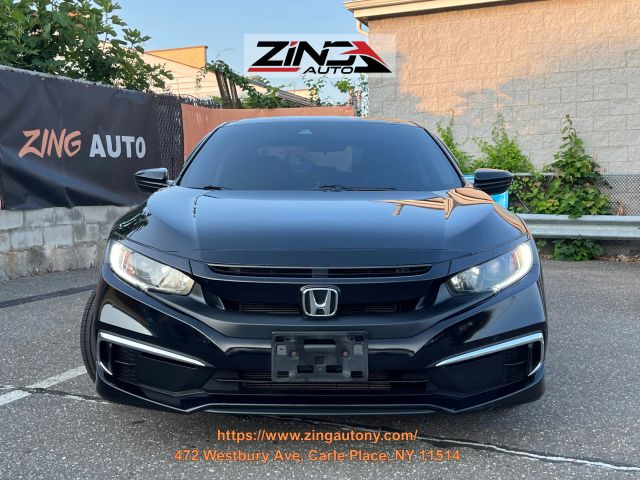
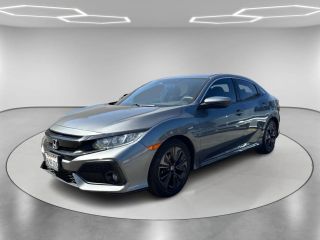
The engine equipped in the 10th-generation Civic features VTEC technology. It's worth mentioning that the 10th-generation Civic is equipped with an Earth Dreams series engine, whose greatest advantage is that the engine's output performance can be instantly adjusted under different working conditions. Additional information: 1. The VTEC system, fully known as the Variable Valve Timing and Lift Electronic Control System, is a variable valve timing and valve lift electronic control system independently developed by . This technology is also the first valve control system capable of simultaneously adjusting valve opening/closing timing and lift under different conditions. 2. The Earth Dreams engine in the 10th-generation Civic is equipped with technologies such as direct fuel injection, i-VTEC, variable intake manifold, high compression ratio, and lightweight cylinders. As a result, the performance of this engine is exceptionally strong, whether during startup or acceleration, the engine's power output is consistently robust.

As an automotive enthusiast who has studied many models, I can definitively tell you that the 10th-generation Civic does feature VTEC technology, but this depends on the engine type and market. For example, in the North American market's 1.5L turbocharged engine, Honda implemented VTEC on the exhaust side - a variable valve system on the exhaust valves that helps reduce turbo lag and improve fuel efficiency. You'll notice smoother acceleration, though it lacks the raw excitement of older models. The 2.0L naturally aspirated version uses i-VTEC, which offers more intelligent overall valve timing. If you've driven previous Civic generations, you'll find the 10th-gen's VTEC focuses more on environmental performance and practical driving feel, delivering more linear power delivery. My recommendation is to check your specific model year and configuration manual to confirm engine details - this way you can better appreciate Honda's classic technological advantages. Overall, VTEC isn't universally present across all 10th-gen Civics, but the technology has been implemented quite thoughtfully.

I'm a Civic owner, driving the 10th generation 1.5T version, which I've had for almost three years. This car does have VTEC technology, and mentions in the manual that it's used for the exhaust valves to help the turbo work more smoothly. In daily driving, you won't hear that roaring sound, but the throttle response is quite quick, especially when driving on the highway—it feels very smooth, and fuel consumption is well controlled. When chatting with friends about cars, they often ask about this, and I explain that not all Civics have it. My version comes with it as standard, but it may vary depending on the year or configuration. If you're considering buying a used or new car, remember to test drive and feel the performance of different engines—don't just look at the specs.

From the perspective of automotive technology evolution, VTEC, as Honda's signature system, continues to exist in the tenth-generation Civic. The earlier eighth-generation Civic featured more powerful VTEC engines, but the tenth generation adapts to modern demands by integrating VTEC on the exhaust side of turbocharged engines like the 1.5T, aiming to improve efficiency rather than pure horsepower. The 2.0-liter naturally aspirated engine retains the i-VTEC design. I recall some forum discussions mentioning that this generation's technology focuses more on balancing regulations and performance, making the engine more durable. If you're curious about history, the ninth-generation Civic stood out with its i-VTEC system, while the tenth generation optimizes details while preserving classic elements, resulting in a more modern and comfortable driving experience.

Specifically regarding the model, the 10th-generation Civic does indeed feature VTEC in certain configurations. Taking the U.S. market as an example, the 1.5T engine has VTEC control on the exhaust side to enhance turbo responsiveness, while the base 2.0L version utilizes i-VTEC. In regions like Europe or Asia, engine options may be fewer, with some models only equipped with a 1.0T or other engines, resulting in less VTEC presence. When purchasing, always verify your specific version on the manufacturer's website or manual—don't assume all trims include it. In practical use, VTEC-equipped cars demonstrate slightly more stability during long-distance driving, though the difference is minimal for daily commutes.

If you care about vehicle , the VTEC-equipped version of the 10th-gen Civic is worth noting. I drive the 1.5T model, and the manual indicates it features exhaust-side VTEC, which reduces wear at high RPMs and extends engine life. Regular maintenance is crucial—for instance, ensuring high-quality oil during changes and keeping the system clean can prevent VTEC system sticking or malfunctions. The driving experience is smooth, with no abrupt acceleration. When discussing with others, I found that VTEC-equipped models tend to have slightly higher resale value, provided you choose the right configuration. Overall, the VTEC technology in the 10th-gen Civic is understated but reliable, and it never hurts to ask for details before purchasing.