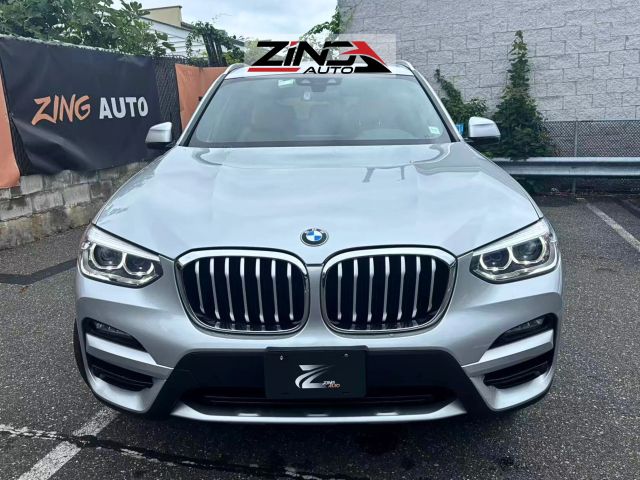
Yes, a car key will automatically lock inside the car. The car's anti-theft function is designed to protect against theft but can also affect the owner. After the vehicle is turned off, if the doors are closed without the key, both the doors and the trunk will automatically lock after a few minutes. Here are some ways to avoid locking the key inside the car: 1. Exiting the car: Always turn off the engine, remove the key, and keep it with you when exiting the car. If you must exit the car while it's still running, ensure the handbrake is engaged, the doors are not fully closed, or the windows are rolled down. Additionally, when retrieving items from the trunk, avoid casually placing the car key inside the trunk. 2. Starting the car: Keyless entry vehicles typically feature a push-button start, eliminating the need to insert or remove the key. Therefore, the key is usually kept on the car owner's person, significantly reducing the likelihood of forgetting the key inside the car.

Last time I drove my bestie's to go shopping, I almost got locked out! I threw the keys on the passenger seat and closed the door, and the system immediately beeped to warn me that the car wasn't locked. BMW's design is quite thoughtful—as long as the key is detected inside the cabin, whether it's on the seat, floor mat, or cup holder, the car won't auto-lock. But the trunk is an exception. Once when helping a friend load luggage, the keys slipped into the trunk, and the car locked instantly when I closed the door. I ended up calling a locksmith. I remember the manual mentioned: the system uses low-frequency antennas to scan the entire car and disables auto-lock if the key is inside the cabin. However, older models have limited detection range, so the safest bet is to get into the habit of keeping the keys in your pocket.

Just finished repairing a new 7 Series for the boss, with a focus on testing the key anti-lock feature. BMW's CAS module uses sensors distributed throughout the seat and center console areas to locate the key in real-time. Tests showed that as long as the key remains stationary inside the passenger compartment (e.g., dropped on the floor mat), the car won't lock even if the owner walks away after closing the door. However, once the system detects the key's movement trajectory indicates it's being thrown out of the window, the doors automatically lock after 30 seconds. Interestingly, cars with modified audio systems can affect sensing accuracy—last week, a customer's key was mistakenly locked inside when placed on the center console due to an added subwoofer. It's recommended that owners wait an extra two seconds to hear the locking sound before leaving the vehicle.

My husband's 530Le once gave me a real scare. When dropping off our kid at school, he casually put the key in the backpack, and our child carried it out of the car - yet the car didn't lock! Later we learned BMW's key detection system has three zones: the driver's recognition area (near knees) is most sensitive; passenger areas come next; while the trunk is the most dangerous spot. The system continuously scans with 132Hz low-frequency signals - the key's built-in antenna must receive this signal to report its location. I specifically checked the technical manual: when closing the trunk, a separate sensor activates. If the key's inside, it triggers rapid hazard light flashes plus eight warning beeps. Now I always remind our child not to touch car keys.

This is a frequent topic in our owners' group. Brother Li from the group personally tested it: when you throw the key into the back seat and close the door, the car remains silent as a chicken; but if you place the key against the inside of the windshield and then close the door, it immediately auto-locks. Later, we realized that the windshield weakens signal transmission. What's even more frustrating is that cars with metal film in winter might not detect the key if it's placed in the glove box. The lesson is that carrying the key on your person is the safest bet, or if there's someone in the passenger seat, have them confirm they have the key before closing the door. A fellow car enthusiast suggested carrying an NFC card key as a backup—it's much more reliable than the phone app.

Professor Zhang, our neighbor, is quite professional with BMWs. He once disassembled the key antenna to explain its working principle. There are a total of 6 induction coils inside the car: two in the footwell, one in the center console, two in the rear seats, and one in the trunk. When the door handle button is pressed, the two adjacent coils activate the key. If no response is received within 1 second, the door lock is denied. The key point lies in the sleep mechanism: if no operation is performed for more than 2 minutes after parking, the system enters a low-power state. At this time, if you open the door, place the key inside, and close it, the car may still get locked. It is recommended to enable the remote unlocking feature via the mobile app. Last time, his wife forgot the key and used the app to save the day.