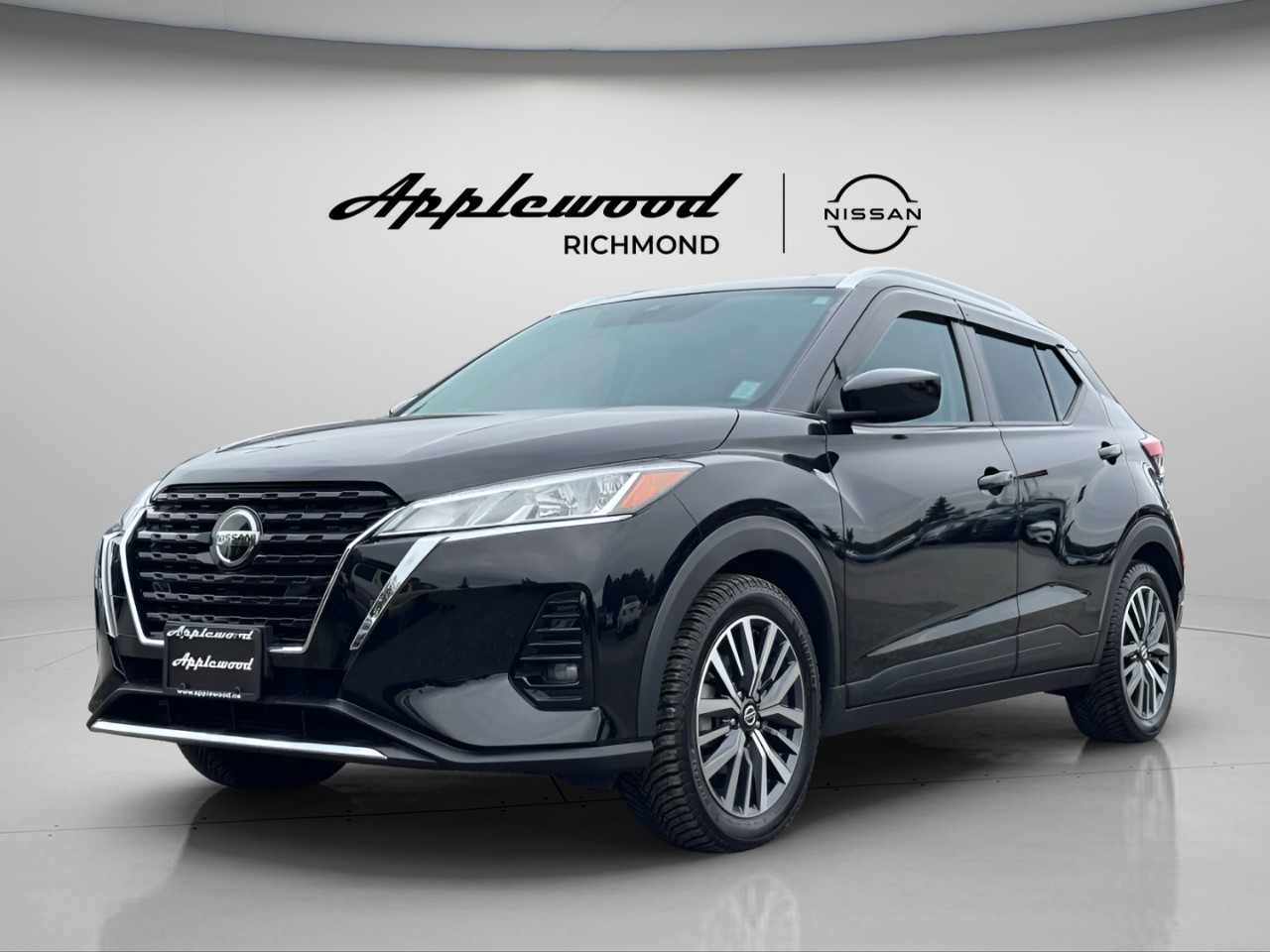
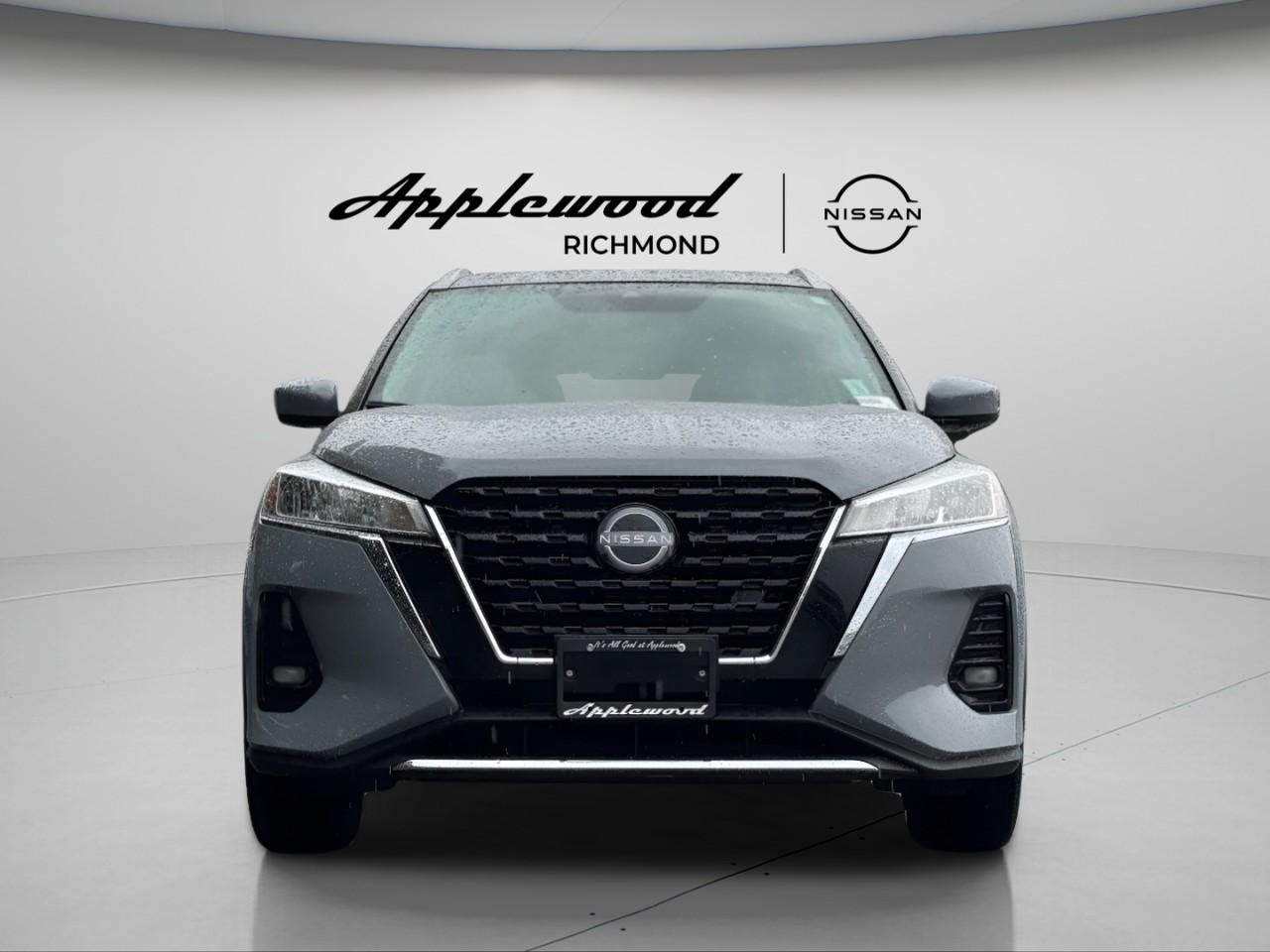
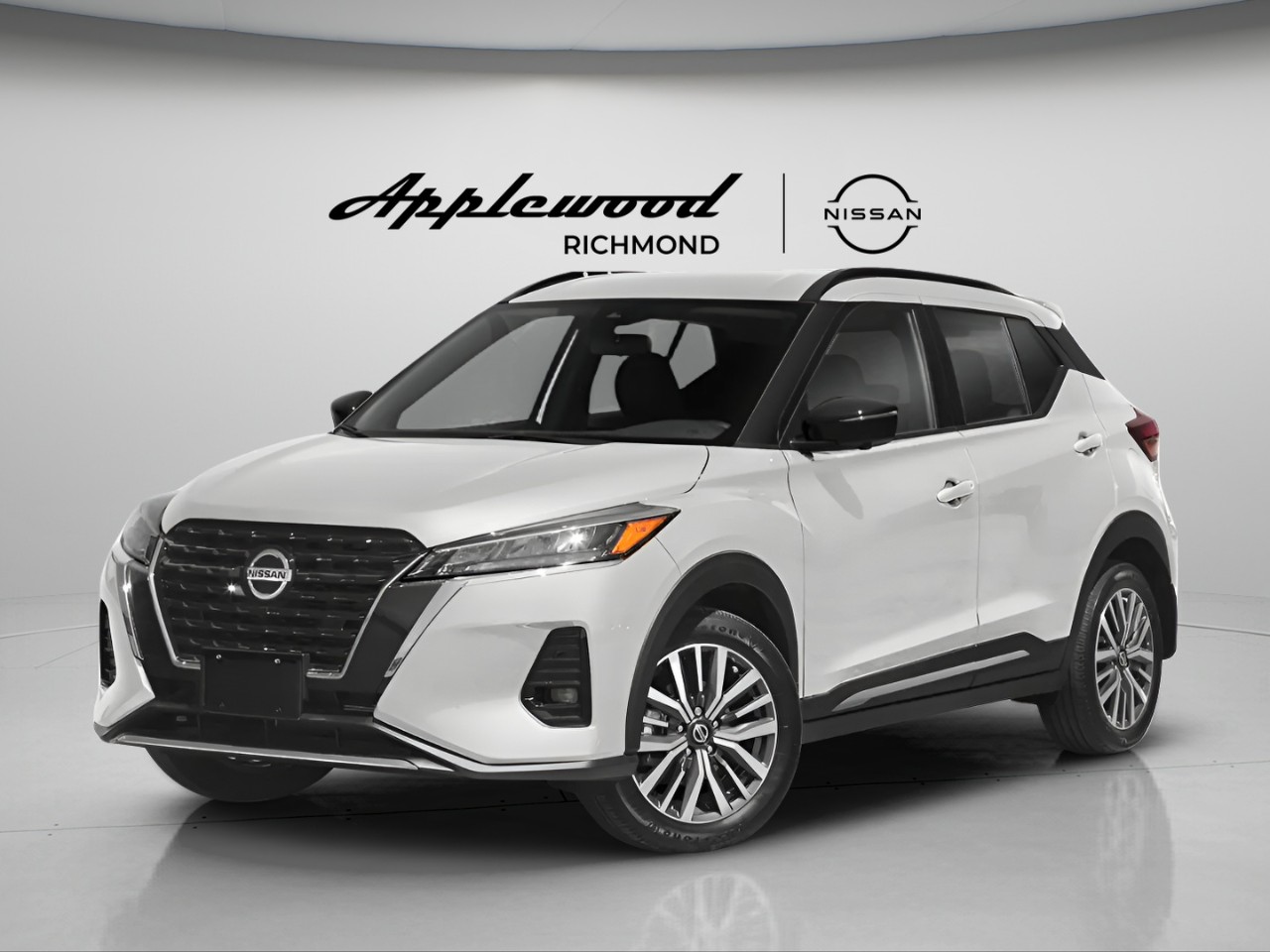
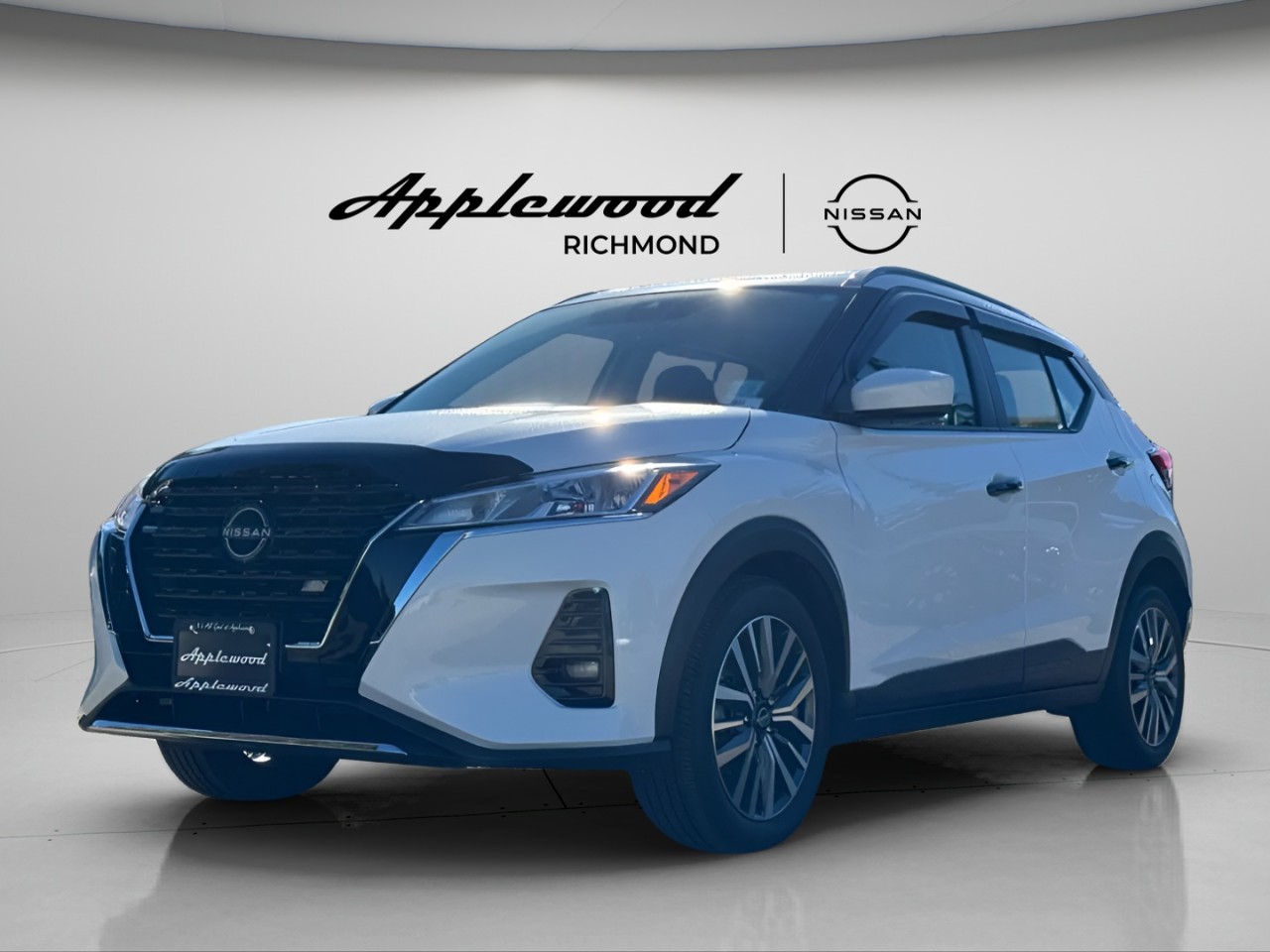
is a Japanese brand. The classic Sylphy is one of its models. Here is more relevant information: 1. Nissan: Nissan generally refers to a Japanese multinational automobile manufacturer listed on the Tokyo Stock Exchange. In the first half of 2020, the Renault-Nissan-Mitsubishi Alliance, to which Nissan belongs, ranked third in global sales. Its main models include Teana, Sylphy, X-Trail, Qashqai, etc. 2. Sylphy: The Sylphy is a mid-size car under Dongfeng Motor Co., Ltd. and is one of the most typical mainstream family sedans in the Chinese market. In terms of power, it is equipped with a 1.6L naturally aspirated engine that meets the China VI emission standards, with a maximum power of 99kW (135 horsepower) and a peak torque of 159Nm. The transmission system is matched with a CVT gearbox.

In China, named the Sylphy as 'Xuanyi' because it's a direct phonetic translation of the English pronunciation, where 'Sylphy' sounds somewhat like 'Xuanyi' when spoken. This makes it catchy and familiar. From a cultural perspective, 'Xuan' in Chinese conveys a sense of elegance and ease, while 'Yi' emphasizes comfort and leisure, perfectly aligning with the Xuanyi's positioning as a family sedan. It focuses on being economical, fuel-efficient, and offering a smooth ride, truly delivering a sense of freedom when driven. Nissan chose this name so that consumers would associate the car's name with a relaxed lifestyle. Other Nissan models like the Teana follow a similar approach, reflecting the brand's localization efforts in the Chinese market by using appealing words to enhance relatability.

Nissan's decision to name the Sylphy as 'Xuanyi' in China is a brilliant marketing move. I reckon this name can appeal to ordinary family buyers. The two characters 'Xuanyi' exude a premium feel, sounding much more sophisticated than directly calling it Sylphy, and it reinforces the image of family-friendliness and comfort in advertisements. Actual market research shows that Chinese car buyers favor auspicious names, and 'Xuanyi' is both catchy and pleasant to the ear, helping it stand out in the fiercely competitive family sedan segment. , having been in China for many years, has adopted similar localization strategies like changing the Bluebird's name, all aimed at making the names memorable and marketable.

As a Sylphy owner, I think the name is well-chosen because it reflects the car's true characteristics. When driving the Sylphy, the seats are comfortable, the chassis is stable, it's fuel-efficient, and the quietness is impressive, fully deserving of the leisurely experience that 'Yi' conveys. positions it as a family car, and this name makes daily driving more in tune with one's mood—no flashy words, just authenticity.

From a regular consumer's perspective, the name 'Sylphy' sounds warm and inviting, evoking thoughts of leisurely moments. has crafted a familial atmosphere with these two characters, often showcasing details of stable living in its advertisements. When considering a purchase, the name alone made me lean towards it, feeling it was reliable and hassle-free. After driving it for several years, it has indeed proven to be comfortable, with low fuel consumption and spacious interiors, making it ideal for daily use. It's not just a transliteration; on a deeper level, it conveys a lifestyle philosophy, appealing to those who seek comfort.

Looking back at in China, the naming origin of the Sylphy is quite interesting. After the introduction of the Sylphy, the translation team combined its pronunciation and meaning to choose the elegant combination 'Xuanyi'. Earlier models like the Sunny also followed a similar approach, with names customized for the local market. The Sylphy's continued popularity proves the effectiveness of this strategy, reflecting thoughtful cultural adaptation that is simple yet profound.