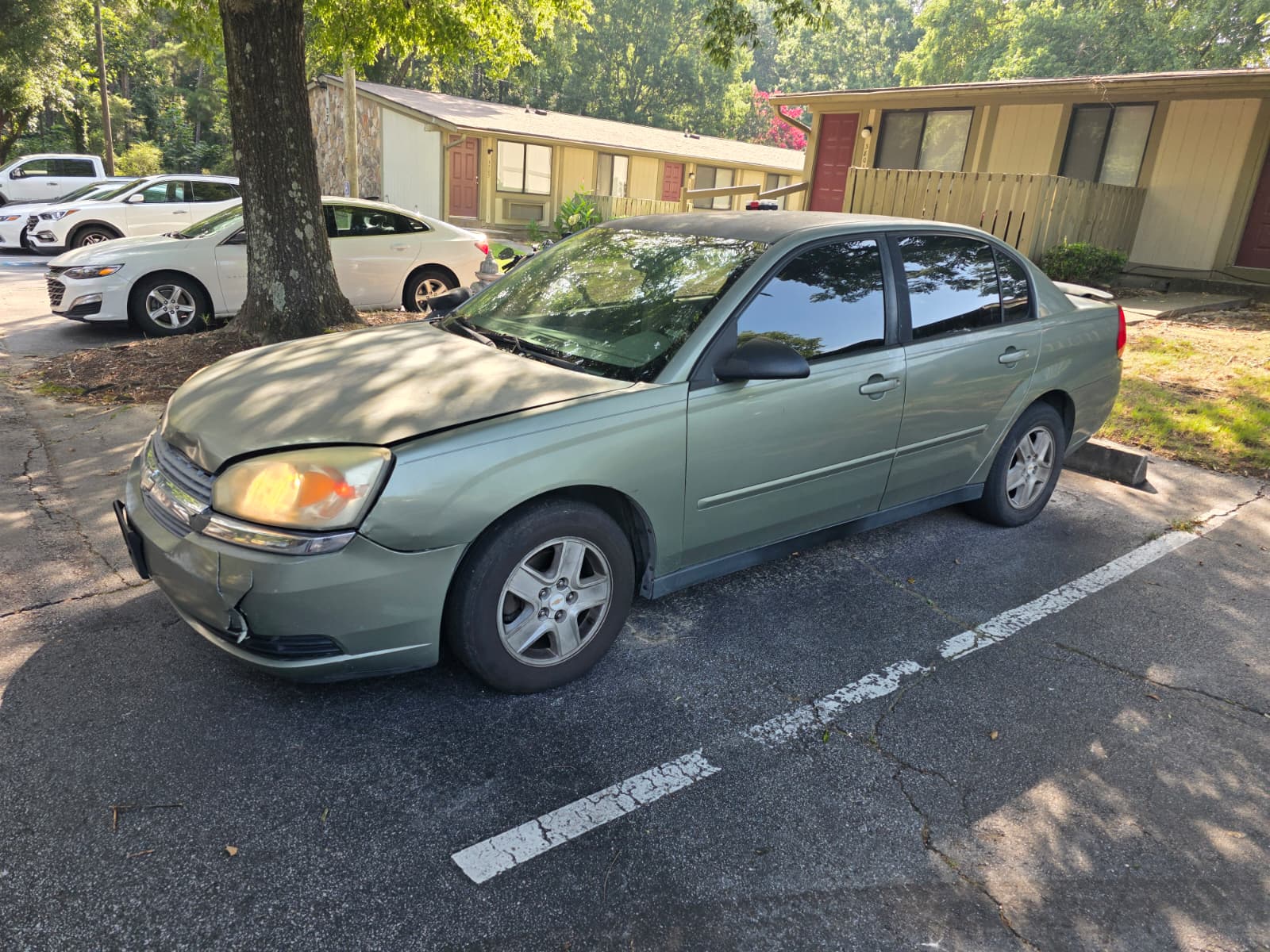
Replacing the headlights does not affect sales. Here are specific details about used cars: 1. Definition: A used car with replaced headlights does not become an accident car. An accident car refers to a vehicle whose structural components or frame have been stretched, deformed, or damaged due to a collision. As long as the body's covering parts are damaged without affecting the structural components, it will not compromise driving safety. 2. Annual Inspection: Regarding the requirements for headlights during annual inspections, issues such as excessively high color temperature, scattered light sources, or insufficient brightness will cause the car to fail the inspection. In some cases, if the beam angle exceeds the standard (e.g., one high and one low beam), it is usually due to improper installation. Therefore, it is advisable to have the replacement done by a professional and experienced service center.

When selling my car, I found that replacing the headlights doesn't necessarily have a negative impact—on the contrary, if high-quality new lights, such as LEDs, are installed, they can make the car look newer and more vibrant, with brighter and safer lighting. Buyers might actually appreciate this because they don't have to worry about aging issues. However, the key lies in the reason for replacement: if it's due to normal wear and tear or an upgrade, with no accident history, it reflects good . But if the lights were replaced due to an accident, buyers might worry about structural damage and try to negotiate a lower price. It's advisable to keep replacement records, such as repair invoices, to help buyers trust the overall condition of the car. Headlights are crucial for nighttime driving, and new lights enhance visual safety. Overall, they don't affect the selling price, but it's important to ensure the parts are genuine. In used car transactions, buyers focus more on the engine and chassis—minor adjustments like lights don't impact the core value.

During my years of driving, I've bought and sold several cars, and headlight replacements usually don't make much difference. Take my recently purchased used sedan for example—the previous owner had replaced the lights, which actually made me feel more assured about its condition. Bright lights mean better driving safety and prevent aging-related failures. However, it's important to distinguish the reason for replacement: minor repairs due to small scratches are generally understandable to buyers, but headlight replacements caused by major accidents should raise caution as they might indicate hidden damage, making buyers hesitant. The quality of replacement parts also matters—OEM headlights are superior to cheap aftermarket ones, as inferior products can distort light beams and compromise nighttime visibility. Overall, the impact on buying/selling price is limited. As long as the lights function properly, buyers typically won't dwell on it too much. Unlike engine issues which are more sensitive, a headlight replacement can even demonstrate the owner's attentiveness to maintenance.

From a buyer's perspective, replacing headlights isn't a major concern in the market. When inspecting a car, I first check if the headlights function properly; newly replaced lights are actually better—they're brighter and more reliable, reducing nighttime risks and eliminating the immediate need for post-purchase upgrades. The reason for replacement matters: routine maintenance is fine, but if it's due to an accident, thorough inspection is warranted. Aftermarket lights might not be perfect, but as long as they're properly adjusted and functional, it's acceptable. Overall, headlights are a minor issue that don't significantly impact core pricing. Buyers focus more on mechanical condition—if replaced lights enhance selling points, I'd prioritize such vehicles.

I believe replacing the headlights is beneficial for selling a . Improved lighting enhances driving safety, and new headlights give the car a fresh, appealing look. In my experience buying and selling cars, buyers tend to prefer vehicles with properly functioning lights. Replacing them indicates that the owner has invested effort in maintenance, reducing the likelihood of unexpected issues. Honesty is key: if the lights were replaced due to an accident, buyers might suspect major damage to the car. However, a normal replacement without any records is acceptable. In terms of parts, OEM headlights offer better compatibility, while aftermarket ones require checking the light beam angle, but this can be adjusted and doesn't affect the transaction. Lighting is crucial for daily commutes, especially night driving, and new headlights boost confidence, generally having a positive impact on buyer interest.

From a car repair experience perspective, replacing headlights rarely lowers prices—headlights are consumable parts, and normal replacement is part of maintenance. For example, I've inspected many cars where replacing the lights actually increased reliability, and better lighting reduces accidents. The type of parts matters: OEM headlights add more value, while aftermarket ones of poor quality may raise buyer concerns about light scattering—but as long as they function properly, buyers accept them. The reason for replacement is key: accident damage is easily spotted and leads to price reductions, whereas maintenance replacements are harmless. Overall, it doesn’t affect the core of buying/selling; buyers typically focus on major components, and headlight condition is just a minor evaluation point.