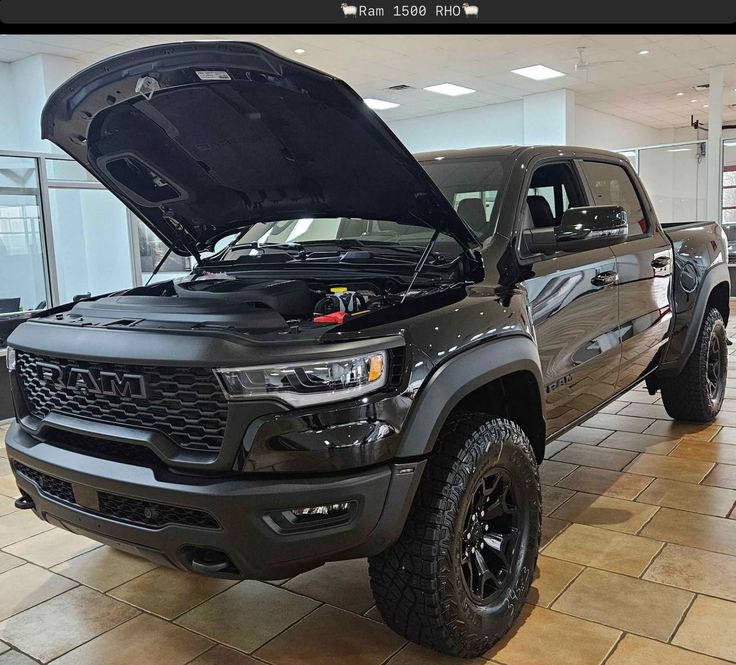
You can get your car buffed at several types of establishments, including auto detail shops, car dealerships, and some body shops. For a DIY approach, you can also do it yourself with the right equipment. The best choice depends on the level of correction needed, your budget, and your desired outcome. For minor swirl marks, a professional detailer is your most efficient bet. For severe oxidation or deep scratches, a body shop with advanced paint correction capabilities might be necessary.
Professional Detailing Shops are specialists in this service, often referred to as paint correction. They use a combination of a machine polisher (like a dual-action or rotary polisher) and various compounds and polishes to level the clear coat, removing imperfections. This is the recommended route for significant results.
Car Dealerships often have detailing departments. While convenient, especially if your car is still under warranty, their services can sometimes be more focused on a quick "showroom shine" rather than intensive, long-lasting correction. It's crucial to specify exactly what you want.
For the DIY enthusiast, buffing your own car is feasible but requires an investment in a quality machine polisher, pads, and products. There's a significant learning curve, as incorrect technique can burn through the clear coat, causing permanent damage.
The cost can vary widely based on vehicle size, paint condition, and geographic location. Here’s a rough estimate for a professional paint correction service on a mid-size sedan:
| Service Level | Description | Estimated Cost Range | Typical Duration |
|---|
| Single-Stage Polish | Removes light swirls and enhances gloss. | $150 - $400 | 3-5 hours |
| Multi-Stage Correction | Addresses heavier defects like scratches and oxidation. | $400 - $800+ | 6-10 hours |
| Full Paint Correction | The most comprehensive level, aiming for near-perfect finish. | $800 - $2,500+ | 1-3 days |
Always ask to see examples of a shop's previous work and read reviews. A reputable detailer will often do a test spot on your car's paint to show you the potential results before starting the full job.