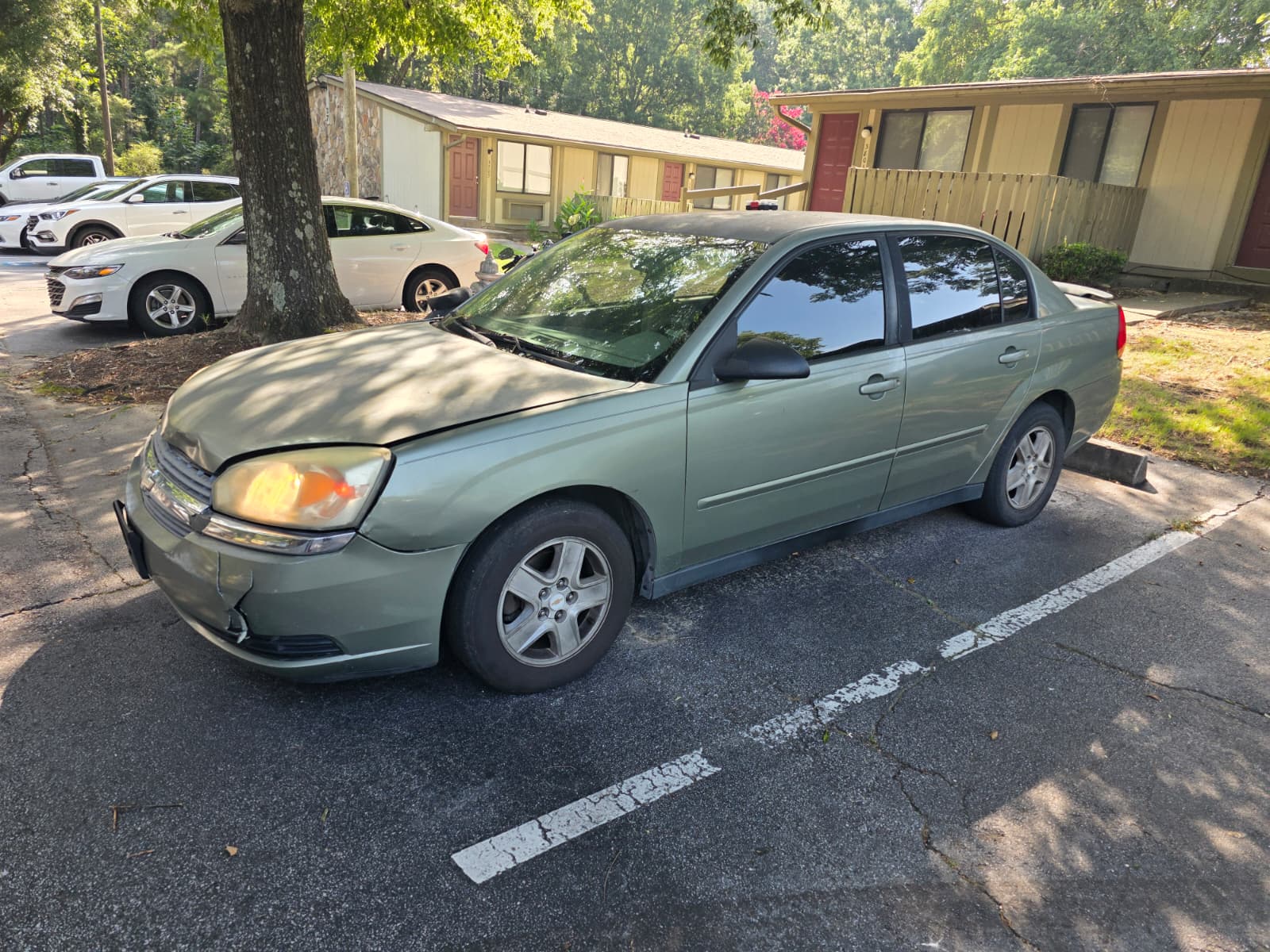
The positions of the A-pillar and B-pillar in a car are as follows: the A-pillar is located between the engine compartment and the passenger compartment, above the left and right rearview mirrors; the B-pillar is situated between the front and rear seats of the passenger compartment, extending from the roof to the bottom of the car. Both the A-pillar and B-pillar are part of the car's body frame, which protects the occupants in the event of a collision. In the structural design of a car, the position and shape of the A-pillar and B-pillar are related to the overall layout, safety, and driving comfort of the vehicle. They not only support the roof of the passenger compartment but also play a crucial protective role for the occupants inside. In the event of a rollover or overturn, they effectively prevent the passenger compartment from being crushed or deformed.

When driving, I often think of the A-pillars as those two upright pillars on either side of the windshield that connect the roof and the hood. From the driver's seat, they create a blind spot in my line of sight, so I have to deliberately lean and peek around them when turning or at intersections to avoid missing pedestrians or small cars, especially on narrow streets. As for the B-pillars, they're located between the doors—for a four-door sedan, they separate the front and rear doors. Viewed from the side, they resemble the backbone supporting the car's structure, with their sturdy design absorbing impact during collisions to protect occupants. In daily driving, adjusting seating position or adding blind-spot mirrors can help mitigate A-pillar visibility issues, while the B-pillar's robustness is crucial for family safety—I always think of this when reminding my kids to buckle up.

For car enthusiasts, the A-pillar's position is obvious at a glance. It's the vertical support on either side of the windshield, serving as the first structural point of the vehicle's front end. Its design must balance rigidity and visibility, requiring precise angling - otherwise it can create a blind spot like an invisible wall blocking half the road during right turns. The B-pillar differs, located at the center where front and rear doors meet. With its robust , it's the main energy absorber during side impacts, reducing occupant injury risks. Engineering-wise, both A and B pillars form the skeleton's core - their proper positioning ensures vehicle stability. Having removed door panels during repairs, I've seen how crucial B-pillar connection points are. For maintenance, prevent rust or deformation as these pillars are vital for long-term safety, especially during highway driving where they bear critical loads.

When I first started learning to drive, my instructor pointed out the position of the A-pillar, saying it's located at the corner of the windshield and serves as the front roof support. You have to get used to its presence while driving because it creates a small blind spot, especially when parking in narrow alleys where extra caution is needed. The B-pillar is simpler—it's situated between the front and rear doors. Viewed from the outside of the car, that vertical pillar is it, and it's incredibly sturdy, hardly deforming even in a side impact. For new drivers, memorizing these locations can enhance safety awareness. For example, when reversing into a parking space, using the B-pillar as a reference point helps avoid scrapes, while the A-pillar requires more careful observation.

For the safety of family trips, I pay special attention to the position of the A-pillar, which is located on the vertical supports on both sides of the windshield and directly affects the forward visibility. Before hitting the road, I always check the surroundings because it may obscure some pedestrians, especially on rainy days. The B-pillar is located in the middle part of the door and serves as the main defense line during side collisions, with its position designed to reinforce pressure resistance near the center of the car. When children are seated in the back, the strength of the B-pillar is particularly important, as it can reduce injuries caused by side impacts. Daily car includes regularly cleaning these areas to maintain clear visibility. A tip: when choosing a car, try adjusting your seating position to avoid the A-pillar blind spot.

From a safety perspective, the A-pillar is positioned on the front windshield frame, serving as a front-end support that must be both strong and lightweight to avoid obstructing excessive vision during turns, yet blind spot accidents often originate here. The B-pillar differs, located at the separation between the front and rear doors in the middle of the car body, serving as a key element for side protection, capable of dispersing forces and reducing deformation during a collision. The positions of these pillars are based on automotive ergonomics, with the A-pillar near the driver's seat potentially interfering with visibility, while the B-pillar supports the car body frame further back. In practice, it's recommended to frequently turn your head to check or use technologies like cameras for assistance. In the long run, robust A-pillars and B-pillars are crucial for the overall rigidity of the vehicle.