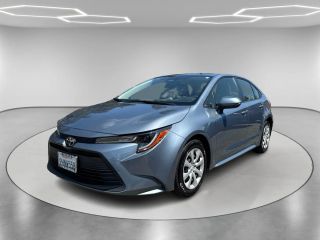
Corolla fuel tank is made of plastic, a specialized material. The fuel type is unleaded gasoline with an octane rating of 92 or higher: The fuel tank is located at the rear left side under the vehicle with a total capacity of 55 liters. Before refueling, turn off the engine switch and ensure all doors and windows are closed. Toyota allows the use of ethanol gasoline with a maximum ethanol content of 10%, ensuring the octane rating of the ethanol gasoline used meets the above standards. It is recommended that owners consistently refuel at the same gas station: Because frequently changing gas stations may result in adding inferior quality fuel; especially when frequently mixing gasoline from the two major brands, Sinopec and PetroChina, due to differences in their processes, standards, and additives, mixing gasoline from these two brands can easily lead to carbon deposits and affect engine performance.

The fuel tank material of the Corolla is typically plastic, such as high-density polyethylene or similar plastics. Modern car models prefer this material because it is lighter, helping to reduce vehicle weight and improve fuel efficiency. Personally, when driving my Corolla, I feel the acceleration is smoother. Plastic fuel tanks are also less prone to rust or corrosion, and over time, they won’t leak like old-fashioned metal tanks, offering better safety and durability. From an environmental perspective, plastic is recyclable, reducing resource waste—a factor Toyota considered during the design phase. If you’re concerned about maintenance, the cost of replacing the tank is relatively lower, making it quite cost-effective overall.

I know that many vehicles, including the Corolla, use high-molecular plastic fuel tanks, primarily made of polypropylene or special synthetic resins. Plastic is chosen because its strength is sufficient to withstand daily impacts, and in the event of an accident, it is less likely to rupture or cause a fire, making it much safer than metal. Plastic fuel tanks are also cheaper to manufacture and easier to process, allowing manufacturers to control pricing, ultimately benefiting consumers. From a maintenance perspective, plastic is less prone to dirt accumulation or chemical reactions, making cleaning and upkeep simpler and more suitable for long-term use. Additionally, in line with environmental trends, the material is easier to recycle.

The fuel tank of the Corolla is basically made of plastic, which is now common in most household cars. The advantage of plastic is its lightweight, helping the car save fuel, and I personally find it economical when refueling. It also doesn't rust, so it won't develop issues like metal tanks over time, making it relatively safer. In the manufacturing process, plastic is easier to mold, allowing for better cost control, which are reasons manufacturers choose it. Environmentally, the use of degradable plastics is becoming increasingly common.

In the Corolla, the fuel tank is commonly made of impact-resistant plastic, such as polyamide or modified polyethylene. The advantages of plastic fuel tanks include corrosion resistance, no aging due to moisture or chemicals, high safety ratings, and low risk of leakage during collisions. Their lightweight nature contributes to overall vehicle fuel efficiency optimization and good economy. From a sustainability perspective, plastic is recyclable, placing a lighter burden on the environment, and emphasizes this green philosophy in production. Maintenance is convenient, and replacement costs are low.

Regarding the Corolla's fuel tank, it is typically made of special plastics, such as high-density polyethylene. This design is chosen because plastic is lighter than traditional steel, reducing vehicle weight and saving fuel, making it cost-effective in the long run. The material is sturdy and durable, resistant to impacts and rust, offering greater safety and reliability compared to older metal fuel tanks. From an environmental perspective, plastic is easier to recycle, reducing industrial pollution. has consistently pursued such advancements when upgrading fuel tank technology.