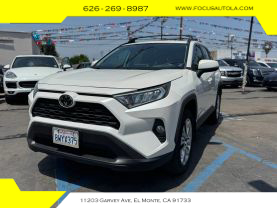
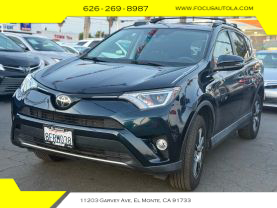
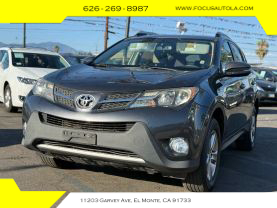
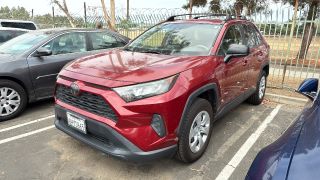
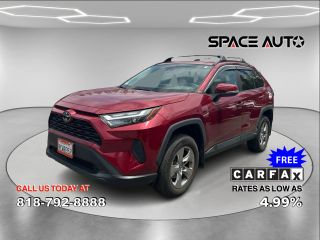
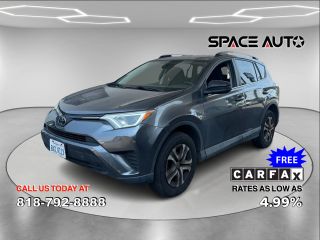
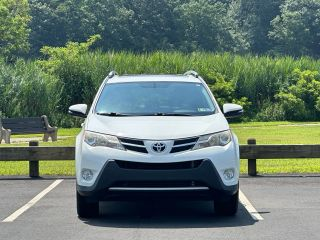
RAV4 belongs to the mid-level category of cars. The RAV4 is a representative model of Japanese SUVs. Below are the specific details about the RAV4: 1. Exterior: The 2020 Toyota RAV4 adopts the latest design style of Toyota SUV models, featuring a robust body appearance, straight body shape, and waistline, making it resemble more of a rugged off-road vehicle, exuding a strong tough-guy vibe. In terms of rear design, the RAV4 is equipped with a new horizontal LED taillight cluster and features a multi-layered tailgate and rear bumper design. Additionally, the sporty spoiler on the tailgate further enhances its sporty SUV style. 2. Interior: The 2020 Toyota RAV4 interior is full of mechanical and layered aesthetics, with chrome trim outlining a trapezoidal contour on the upper part, completely consistent with the chrome strip design on the rear. Moreover, many areas are designed with patterns that exude an off-road feel, adding a fresh touch. 3. Powertrain: The new RAV4 offers two naturally aspirated engine options: a 2.0L gasoline version and a 2.5L hybrid version. The engine delivers a maximum power of 131.0kW, maximum horsepower of 178PS, and maximum torque of 221.0N·m. The transmission system is paired with a CVT continuously variable transmission.

When looking at the RAV4, I consider it to be in the mainstream mid-range compact SUV category. As someone who prioritizes family practicality, I often drive it to the supermarket or for weekend outings. The space is sufficient to accommodate a large family and luggage, and the rear seats are comfortable, avoiding the cramped feeling of smaller cars. Compared to the X3 or Honda CR-V, the RAV4 is more affordable, priced at just over 200,000 yuan, with reasonable fuel consumption—around 8 liters per 100 kilometers in the city, so fuel costs aren't a major concern. The Toyota brand is reliable; it rarely has issues even after five years, and maintenance is inexpensive, making it suitable for someone like me with a limited budget but a desire for a dependable SUV. Overall, it doesn't match the luxury of brands like Porsche, but it's a step above domestic models like the Haval H6, positioning itself in the mainstream segment for daily family use—practical and steady to drive.

The RAV4 is a solid mid-range compact SUV in my book. As someone who knows a thing or two about cars and often helps friends with their vehicle choices, the RAV4 is all about practicality. Priced around the 200,000 yuan mark, it's not as extravagant as luxury cars but comes equipped with features like automatic air conditioning and a rearview camera, offering a smooth and reliable driving experience. Compared to the Tiguan, Toyota's durability stands out, with lower maintenance costs and higher resale value—selling it after three years won't leave you at a loss. Overall, it's an upper-mid-tier compact SUV, targeting the general public. It's not about showing off, but it meets daily needs with flexible space design—whether it's fitting a mountain bike or groceries in the trunk, there's plenty of room. I think it's equally friendly to both new and experienced drivers.

I think the RAV4 is a typical mid-range SUV. As an office worker who commutes daily, I find the RAV4 quite hassle-free to drive. It has decent fuel efficiency, averaging around 10 liters per 100 km in mixed driving conditions. is straightforward and doesn't cost much. The space is decent, with enough room for two people in the back without feeling cramped, and it's easy to park in narrow alleys. Price-wise, it's significantly cheaper than luxury cars but a step above entry-level models. Driving it in the city feels low-key and practical, with a mainstream positioning that's neither too expensive nor too cheap—just right.

In my opinion, the RAV4 belongs to the standard mid-range compact SUV category. As a budget-conscious buyer, I compared many brands before making a choice. The RAV4 is moderately priced, usually in the 200,000 yuan range, with balanced features and complete basic safety equipment like airbags and electronic assists. It's cheaper than the X1 but offers better reliability. The driving experience is smooth, and the space is slightly larger than a sedan, making it suitable for daily commutes or light road trips. Its positioning is neither too high nor too low—within the Toyota family, it sits between the Corolla and the Highlander. Compared to market rivals like the Nissan X-Trail or Honda CR-V, the RAV4 is more durable with lower maintenance costs. Overall, it's a practical choice that justifies its price.

I consider the RAV4 to belong to the mainstream mid-to-high tier of compact SUVs. As someone who favors tech gadgets, driving the RAV4 feels pretty cool—it comes equipped with Safety Sense and smart connectivity features like lane keeping assist and automatic headlights, which are way more advanced than older models. Yet, it's priced under 300,000 RMB, offering great value for money. In terms of tier, it feels more stable than luxury compact cars like the Mercedes-Benz GLA, with more space and moderate-to-good fuel efficiency, making it suitable for both city commuting and highway driving. It's perfect for someone like me who seeks balance—capable of daily commutes and weekend picnics alike. Positioned at the core of mid-range SUVs, the Toyota quality adds a sense of solid reliability.