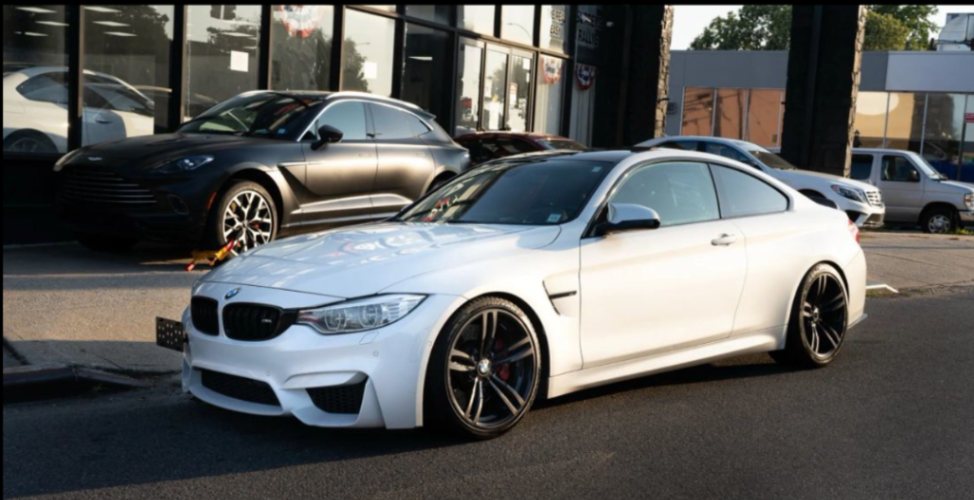
BMW's GT series models are all crossover vehicles, and the body design of crossover vehicles is different from that of ordinary sedans and SUV models. Moreover, BMW's GT series models are relatively more expensive. BMW's GT series models include the 3 Series GT and the 6 Series GT. The 3 Series GT is a crossover vehicle based on the 3 Series. Below is the relevant introduction of the 3 Series GT: 1. Body dimensions: The length, width, and height of the 3 Series GT are 4852 mm, 1828 mm, and 1518 mm respectively, and the wheelbase of this car reaches 2920 mm. 2. Power: This car uses two engines in total, one is a low-power version of the 2.0-liter turbocharged engine, and the other is a high-power version of the 2.0-liter turbocharged engine. The low-power version of the 2.0-liter turbocharged engine has a maximum torque of 184 horsepower and 270 Nm, and can output maximum power at 5000 rpm, and can output maximum torque at 1350 to 4600 rpm. This engine is equipped with direct injection technology and uses an aluminum alloy cylinder head and block. The high-power version of the 2.0-liter turbocharged engine has a maximum torque of 252 horsepower and 350 Nm, and can output maximum power at 5200 rpm, and can output maximum torque at 1450 to 4800 rpm. This engine is equipped with direct injection technology and uses an aluminum alloy cylinder head and block.

I usually enjoy driving fast and have experienced the difference between BMW's GT version and non-GT models. GT models like the 3 Series GT or 5 Series GT have a higher roofline and a huge hatchback tailgate, making it easy to load luggage. The space is so large it feels like a mobile cabin, offering comfortable seating without feeling cramped, making it especially suitable for weekend road trips or family outings. However, the added weight and higher center of gravity make the car feel less stable when cornering, with a softer driving feel compared to the standard version like the 3 Series, which is agile and sharp—stepping on the gas gives you pure driving pleasure. The powertrain might be similar, but the GT is tuned to be milder, with slightly higher fuel consumption. If you frequently drive on highways or need practical space, the GT is great; but for young people like me who pursue speed and excitement, the standard non-GT version is more thrilling, allowing for nimble maneuvering in the city. Styling-wise, the GT looks trendy, though some might find it less handsome than the sedan—it all comes down to personal taste.

With both elderly and young children in my family, I researched the differences between GT and non-GT versions when considering . The GT version, such as the 5 Series GT, offers a spacious rear seat where kids can sit comfortably without fuss, providing ample room for movement. The hatchback tailgate design ensures a large trunk opening, easily accommodating strollers or bulky luggage, making daily shopping or travel convenient. In contrast, standard non-GT sedans like the 5 Series have a classic, business-like appearance but limited space, making it cumbersome to carry items and impractical for outings with children. The GT drives more steadily with softer suspension, ensuring a relaxed experience on long trips, though its larger size can be challenging when parking in residential areas. The standard version is more agile, better suited for short errands. Fuel consumption may be slightly higher for the GT, but the difference is minimal. As a homemaker, I prefer the GT for its practicality and comfort, while the non-GT is more suitable for singles or business scenarios.

I'm particularly interested in the mechanical aspects of cars. The main differences between GT and non-GT models lie in the chassis and structure. GT versions like the 3 Series GT feature a taller body with a hatchback design that increases interior space, but the higher center of gravity affects cornering agility. The suspension is tuned for greater comfort, reducing bumpiness. Non-GT models like the standard 3 Series have a lower, more compact chassis, offering direct driving feedback and plenty of fun. Both may share the same engines, but the GT's added weight slightly weakens acceleration and marginally increases fuel consumption. Functionally, the GT's tailgate mechanism is more complex, requiring attention during repairs, while the standard version is simpler to maintain. Technically, the GT strikes a balance between practicality and sportiness, trading some driving excitement for everyday convenience.

At my age, comfort is a priority when driving for long periods. The experience between GT and non-GT models differs. GT models like the 4 Series GT offer a softer, more comfortable ride with better suspension for absorbing bumps, spacious rear seats for easy entry and exit, and reduced fatigue on long drives. The hatchback trunk is practical, making grocery loading effortless. The standard 4 Series without GT has a stronger sporty feel and elegant looks but offers less space and fewer practical features. On highways, the GT is steady and quiet, while the standard version is more agile and easier to park in the city. Fuel consumption and performance are similar, with minor differences that don’t impact the overall experience. I believe the GT is ideal for someone like me who frequently travels for work or leisure, while the non-GT suits those who prefer a simpler driving experience.

Commuting daily, I've personally experienced the differences between the GT and the standard version. The GT, like the 5 Series GT, offers a higher body for better visibility and a hatchback tailgate that makes loading groceries and goods easier, especially saving effort at supermarkets. It boasts more space and enhanced seat comfort, reducing fatigue on long drives. The non-GT 5 Series is more compact, making it easier to navigate narrow city streets and park, with a more agile and direct driving feel. In terms of fuel consumption, the GT is slightly heavier and thus a bit thirstier, but the difference is minimal for city commuting. For comfort, the GT excels on rough roads, while the standard version feels more spirited on smooth surfaces. If you frequently need to carry large items or go on long trips, the GT is the right choice; the non-GT is sufficient for daily use, offering flexibility and economy.