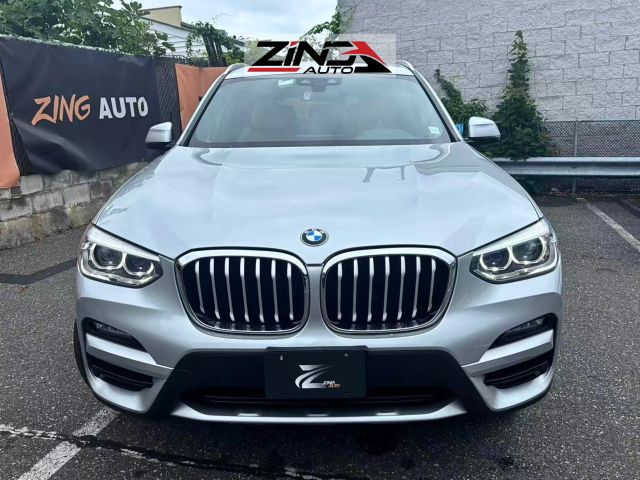
new cars require a break-in period. Automotive Break-in: The surfaces of new transmission components in a car always have certain minor imperfections, causing insufficiently tight engagement between parts during operation, which leads to more intense friction at contact points. If operated at excessive speeds, permanent damage to components may occur due to overheating at friction points or excessive load. Therefore, during the initial operation of new automotive transmission components, the relative speed at contact points should not be too high, and lubrication should be promptly replaced to prevent metal particles suspended in the lubricating oil from entering friction surfaces and accelerating wear. The process where new transmission components operate for a period, resulting in perfectly matched engagement surfaces and very smooth surfaces, is called the break-in period. Break-in Details: The first 3,000 kilometers of a new car constitute the break-in period. During this period, keep the engine speed below 3,000 RPM, maintain speeds under 110 km/h, avoid sudden braking and flooring the accelerator, and limit the load to no more than 75% of the vehicle's capacity. When driving on highways, avoid prolonged constant-speed driving; instead, vary speeds between 90-110 km/h.

I remember being super excited when I bought a brand-new last year. The manual suggested driving gently for the first 1,600 kilometers or so—avoiding sudden acceleration and keeping the RPM below 4,000. Why? There might still be minor burrs inside the engine, and gentle driving helps smooth them out for better fit and performance. Modern BMWs are built to such high standards that they don’t really need the old-school break-in rituals, but this approach is a safer bet—it’s also good for the transmission and brakes, reducing unnecessary wear. I tried stomping on the gas early on, and nothing went wrong, but since the manual was written by engineers, it doesn’t hurt to follow their advice. Gentle driving also ensures even oil circulation, helps the car adapt to its new environment, and might even improve fuel efficiency, making it more reliable in the long run. So while a new BMW doesn’t strictly require a break-in period, taking it easy for the first thousand or so kilometers is a smart move.

As a seasoned driver with twenty years of experience, I believe that breaking in a new is still somewhat necessary. During the initial operation of the engine, there are minor rough spots on the surfaces of the components. Gentle driving allows them to gradually wear smooth, especially the fit between the piston rings and cylinder walls. Don't assume modern cars are perfect—parts expand and change under high temperatures, so avoid maintaining a fixed RPM for extended periods, like during highway cruising; it's better to vary your speed. Additionally, refrain from aggressive maneuvers such as sudden acceleration or hard braking. This not only protects the engine but also benefits the chassis and brake pads. BMW manuals typically provide guidance for the first 1,500 kilometers. Despite advanced technology, these habits can extend the car's lifespan and save on future repair costs.

When driving a new , it's recommended to avoid aggressive driving for the first few hundred kilometers. The engine is still in the break-in period, and harsh driving may increase wear and affect performance. BMW's official manual often advises avoiding high RPMs and fully loaded trips. Gentle driving is also better for safety, allowing the transmission and braking system to break in more smoothly. Although modern manufacturing precision eliminates the need for rigid break-in procedures, maintaining this habit can help the car run more smoothly and extend its lifespan.

I'm a car enthusiast and have driven quite a few vehicles. New BMWs generally don't require a strict break-in period, but gentle driving during the first 1,000 to 2,000 kilometers is beneficial. The engine undergoes thermal expansion changes during initial operation, and driving gently allows components to mate more perfectly. engineers recommend avoiding extreme operations during this period to help ensure even oil lubrication. Such small details may improve power efficiency, leading to better fuel economy and enhanced durability in the long run.

For the longevity of your new , the break-in period still holds some value. Initially, drive gently to avoid high loads, such as towing or climbing mountains, allowing engine components to naturally smooth out and fit together. The manual often recommends keeping the RPM within a suggested range for the first 1,500 kilometers. While modern engines are robust, this practice can reduce oil contamination buildup and prolong performance. Adopting gentle driving habits long-term may save you hassle and money, helping your car last longer.