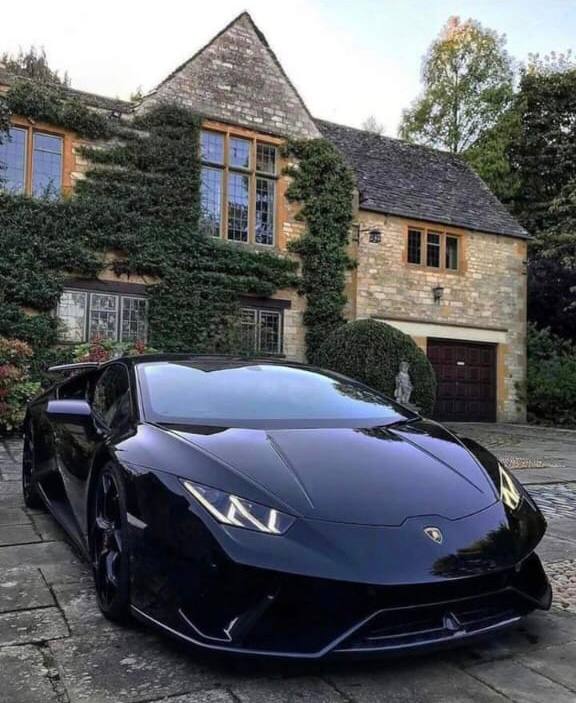
Car wash-specific cleaning agents do not damage the paint when washing a car. Below are specific details on car paint : Waxing: Waxing forms a protective wax layer on the car's surface, isolating the paint from the external environment, thus protecting it from oxidation and fading. New cars do not require waxing within the first 3 months of purchase, and excessive waxing afterward can cause some damage to the paint—waxing should be done no more than once every two months. When waxing, apply evenly and maintain a consistent direction. Timely Cleaning: After driving in the rain, wash the car promptly once the weather clears to prevent corrosion from acid rain. Coating: Coating forms a strong fiber network on the paint surface, filling in microscopic pores invisible to the naked eye, achieving a mirror-like effect. It adds a thin diamond-hard shell to the paint, increasing the hardness beyond the original film and protecting the paint from damage.


I've tried many things when washing my car myself and found that pH-neutral car shampoo is the most reliable. Its pH level is close to that of human skin, so it won't corrode the wax layer in the car paint. Instead, it gently removes dust and dirt. Remember to use a wool wash mitt or microfiber towels - sponges tend to trap grit that can scratch the surface. When rinsing, work from the roof downward so the water flow carries away contaminants rather than rubbing them repeatedly. Dry the car immediately after washing to prevent water spots from leaving mineral deposits. Always wash in shady areas - water evaporating too quickly in sunlight can cause spotting. I've been washing like this every two weeks for three years, and my car's paint still looks freshly waxed.

When it comes to paint-safe car cleaning products, I highly recommend waterless wash solutions. Simply spray it directly onto the vehicle surface, and the dirt dissolves with just a wipe using a microfiber towel. The formula contains lubricants that encapsulate dust particles to prevent paint scratches. After washing, it leaves a hydrophobic layer to reduce future dust accumulation. Opt for the water-activated type - it makes post-rain rinsing much easier. Spray from about 30cm away in even patterns, and gently wipe in circular motions without applying excessive pressure. This method saves water and is eco-friendly, perfect for urban dwellers without yards. I always keep a bottle in my car - it effortlessly removes bird droppings and tree sap on the go.

I'm always afraid of damaging the paint when washing my car, so I insist on using dedicated car wash shampoo. Ordinary laundry detergent has strong alkalinity, which can corrode the clear coat and make the paint look dull. Car wash shampoo is different - it has a neutral formula that not only creates cleaning foam but also contains carnauba wax, replenishing the protective layer while washing. It's even safer when combined with the two-bucket washing method: one bucket holds clean car wash solution, while the other is a rinse bucket for cleaning tools. After wiping each panel, shake the glove in the rinse bucket to remove sand particles. This can reduce 90% of swirl marks.

Based on my experience, most paint damage during car washing is caused by improper tools. Always choose a fan-shaped nozzle for the pressure washer, as a straight water jet can damage weak paint surfaces. The tire brush must be kept separate from the body brush, as iron particles from the wheels can contaminate the bristles. It's best to use running water for rinsing rather than water in a basin, as recycled water carrying sand and grit acts like moving sandpaper. Recently, I've found biodegradable car wash tablets quite effective—they dissolve in water to release active agents, contain no phosphorus or thickeners, and won't pollute the environment even when washing by riversides.

Using plain water is actually the safest way to wash a car, but proper technique is crucial. I prefer to first soak the car body with a soft hose for ten minutes, allowing dirt to slide off naturally. Pay special attention to cleaning the lower rocker panels, where brake dust accumulates most. Water temperature should be kept below 30°C, as hot water can damage the clear coat. Use chamois-style towels for drying - they're highly absorbent and won't leave fibers behind. After washing, park in a ventilated area for natural air drying, avoiding direct sunlight that causes water spots. Though time-consuming, this method is completely chemical-free.