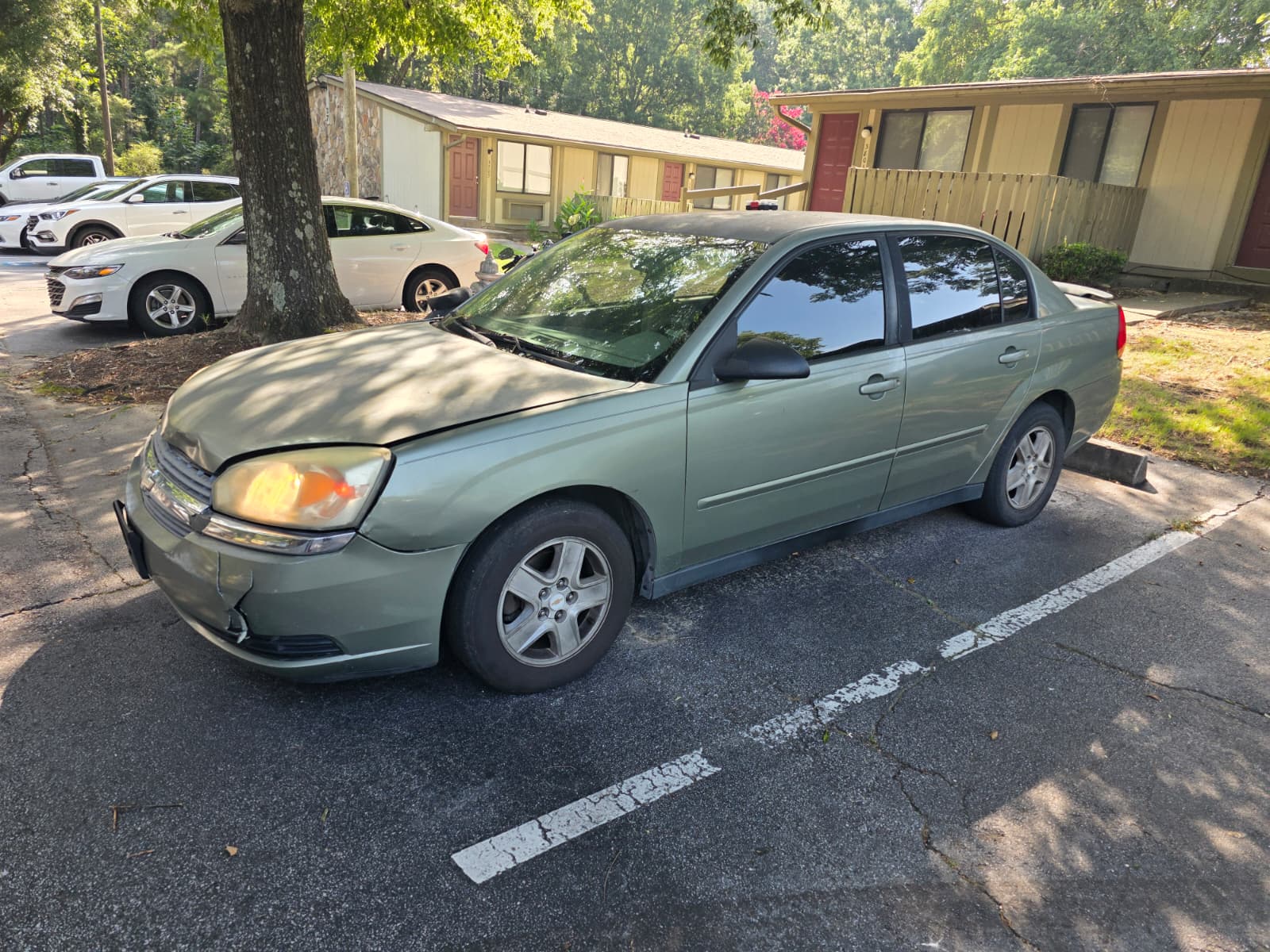
A tie rod is a critical part of your car's steering system. Its primary job is to transmit the turning force from the steering gear to the wheel assemblies, allowing you to turn the front wheels. Think of it as the crucial link that translates your steering wheel input into actual directional change. It's a key player in maintaining proper wheel alignment, which ensures your car drives straight, tires wear evenly, and steering feels responsive.
A tie rod assembly has two main parts: an inner tie rod end that connects to the steering rack or center link, and an outer tie rod end that connects to the steering knuckle. This design allows for movement and adjustment. The outer tie rod end is a common wear item because it's a ball-and-socket joint that constantly pivots as you steer and the suspension moves up and down.
When a tie rod wears out, you'll notice clear symptoms. The most common sign is excessive play or looseness in the steering wheel, often described as a "vague" feeling where you have to turn the wheel more than usual before the car responds. You might also hear a clunking or knocking noise when turning over bumps, caused by the worn joint moving within its socket. Severe wear can lead to uneven tire wear, particularly a "feathering" pattern on the inner or outer edges of the front tires.
Getting a worn tie rod replaced is a standard repair. After replacement, a professional wheel alignment is absolutely necessary because adjusting the tie rod is how the alignment angles (specifically toe) are set. Ignoring a bad tie rod is dangerous, as it can lead to a complete loss of steering control.
| Symptom of a Failing Tie Rod | Potential Consequence | Urgency of Repair |
|---|
| Looseness or vibration in steering wheel | Reduced control, especially at high speeds | High - Should be inspected immediately |
| Clunking noise when turning | Joint is excessively worn and could separate | High - Avoid sharp turns until inspected |
| Vehicle pulls to one side | Incorrect wheel alignment, unsafe handling | Medium - Schedule repair soon |
| Uneven tire wear (feathering) | Premature tire replacement cost | Medium - Address before tires are ruined |
| Wandering or inability to drive straight | Requires constant steering correction, fatiguing | High - Indicates significant wear |