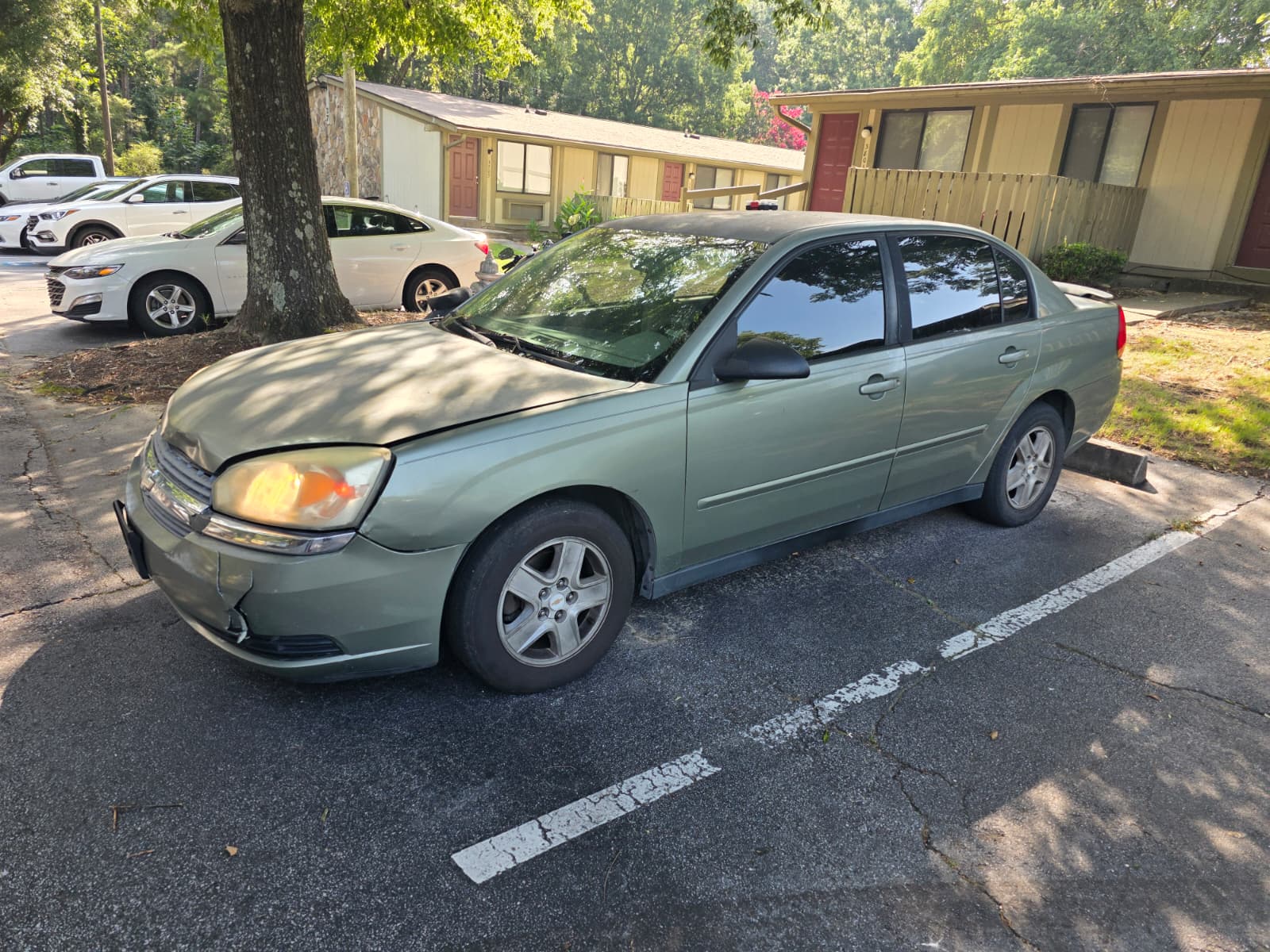
No, a car is not automatically considered a total loss just because the airbags deploy. The decision is based primarily on economics. An insurance company will declare a car a total loss when the cost of repairs, including the deployed airbags, exceeds a certain percentage of the car's Actual Cash Value (ACV) before the accident. This threshold, known as the total loss threshold, varies by state and insurer but is typically between 70% and 80% of the ACV.
Airbag deployment is a significant event because it's part of a very expensive repair. Replacing airbags, sensors, and often the seatbelt pretensioners can cost thousands of dollars. If the car is newer or has a high market value, it may still be economically repairable. However, if the car is older with a lower ACV, the high cost of airbag replacement can easily push the repair estimate over the total loss threshold.
The extent of the underlying structural damage is the real deciding factor. Airbags deploy in serious collisions, which often cause damage to the vehicle's frame or unibody. Repairing this structural damage is complex and costly. An insurance adjuster will assess all damage to determine the final repair cost versus the car's value.
| Factor Influencing Total Loss Decision | Explanation | Example Scenario |
|---|
| Vehicle's Actual Cash Value (ACV) | The pre-accident market value of the car. | A 2015 sedan with an ACV of $8,000. |
| Cost of Airbag System Replacement | Includes bags, sensors, modules, and often seatbelts. | Can range from $1,000 to over $6,000. |
| Associated Collision Damage | Damage to the frame, engine, suspension, or body. | A bent frame adding $5,000 to the repair. |
| State's Total Loss Threshold | The legal percentage (e.g., 75%) that triggers a total loss. | Repair estimate is $6,800 on an $8,000 car (85%). |
| Salvage Value | The value of the damaged car sold for parts. | A salvage yard offers $1,500 for the wreck. |
Ultimately, while airbag deployment is a strong indicator of a severe accident, the final determination is a financial calculation made by the insurance adjuster.