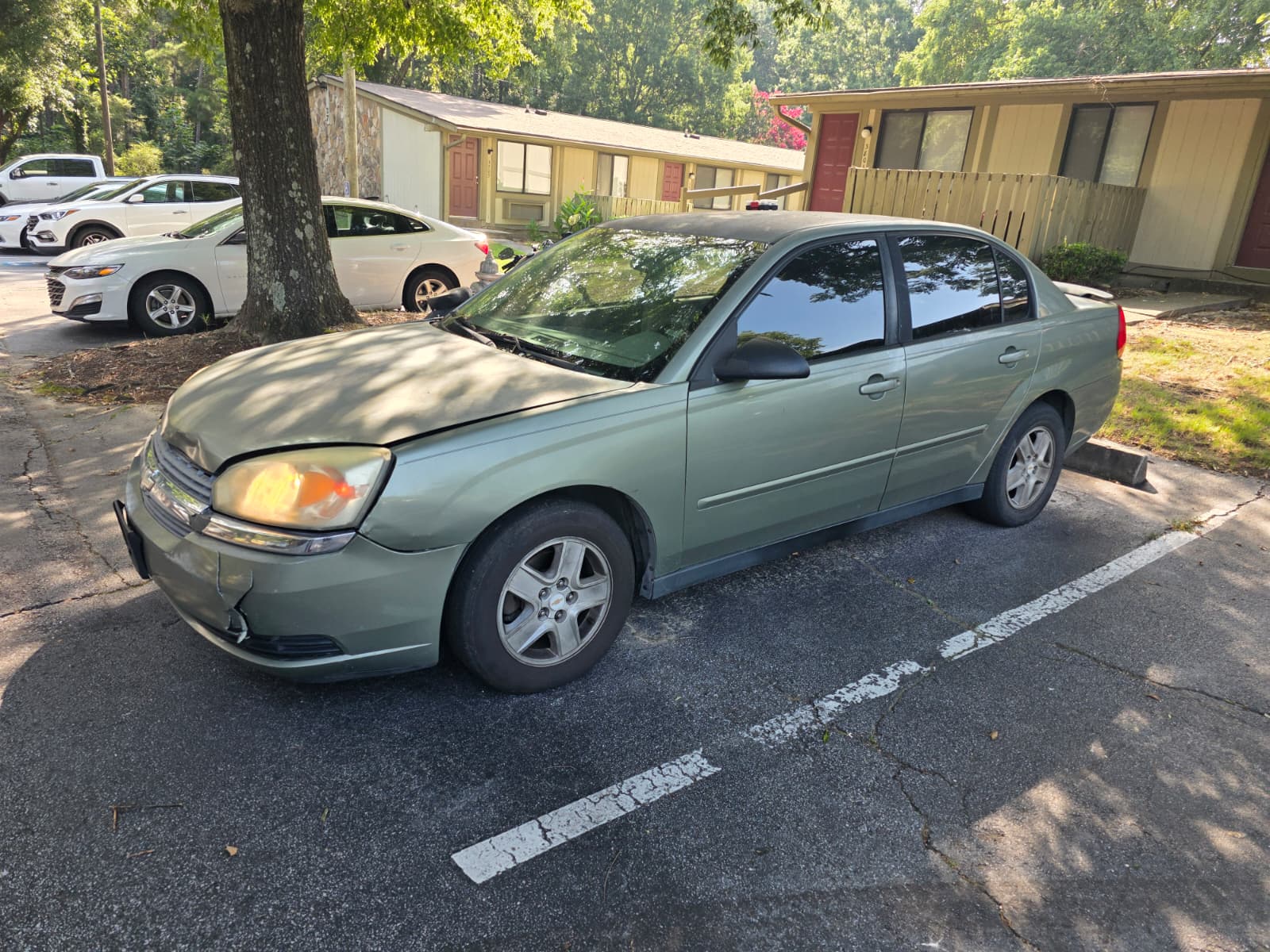
Regal low-speed body shaking may be caused by the following reasons: Fuel Quality Issues: According to statistics, a large proportion of idle speed shaking problems encountered by car owners are caused by fuel quality issues. If poor-quality fuel is occasionally used, it not only damages the engine's performance to some extent but also leads to the continuous occurrence of minor issues such as body shaking, thereby increasing later costs. Therefore, it is also reminded to all car owners to pay attention to the fuel quality when refueling and to refuel at regular gas stations. Severe Carbon Buildup in the Car Engine: The most common cause of body shaking during car idling is that the throttle is too dirty or the gasoline sprayed by the fuel injector is absorbed by carbon deposits, resulting in an overly lean air-fuel mixture in the combustion chamber, making it difficult to start the engine. Solution: Clean the fuel system and check whether the idle speed motor has carbon deposits that should be cleaned. Shaking Caused by the Ignition System: Ignition system shaking is generally caused by the ignition coil and spark plugs. The main checks are whether the ignition coil has signal loss, poor contact, or module failure. For spark plugs, the main concerns are whether there is carbon buildup, insulator cracking, gap too small or too large, or high coil resistance or leakage.

Low-speed body shaking is quite common in the Regal, and I think it may stem from tire issues. Tire imbalance or uneven wear can cause increased vibration at specific speeds, so checking for consistent tire pressure and whether the wheels are out of round is crucial. Aging suspension components could also be the culprit—for example, leaking shock absorbers or worn ball joints may induce shaking, especially noticeable during low-speed turns. Engine ignition system failures, such as excessive spark plug gaps or faulty ignition coils, can disrupt smooth operation. I recommend starting with a tire inspection and performing a balance test if necessary; if that doesn’t help, have a professional check the suspension and ignition components. Preventive maintenance like regular tuning can significantly reduce the risk of shaking, as ignoring the issue may worsen it and compromise driving safety. Always ensure safety measures are in place before troubleshooting.

When experiencing low-speed body vibrations, I often encounter tire imbalance and engine-related factors. Uneven tire wear or inconsistent air pressure can easily cause shaking in the 20-40km/h range, so first check if all four tires are properly inflated and balanced. On the engine side, issues like clogged fuel injectors or dirty throttle bodies can disrupt uniform combustion, leading to vibrations, while aged spark plugs can also contribute. Suspension components such as damaged shock absorbers can make the body unstable, especially on bumpy roads. A simple self-check: inspect the tires and listen for unusual noises when opening the engine hood. If unresolved, it might involve minor issues with the axle or transmission. Early professional diagnosis saves time and hassle, and can extend the vehicle's lifespan. Remember, performing quick pre-drive checks and is a smart habit.

Low-speed shaking is often related to tires. Unbalanced or deformed tires directly transmit vibrations to the vehicle body, so checking tire pressure and wear condition should be the first step. Issues with the engine ignition system, such as worn spark plugs, are more likely to manifest at low speeds, causing irregular operation. Loose suspension components can also contribute to shaking. Prioritize troubleshooting tire-related issues, as they are the most common and easiest to fix, often resolving the problem afterward. I always pay attention to these points when driving to ensure a smooth journey, as safety should never be taken lightly.

Low-speed body shaking poses significant potential risks, which I believe are primarily related to tire and suspension issues. Tire imbalance can cause wobbling within specific speed ranges—first check if tire pressures are even or if there are visible deformations. Aged shock absorbers or damaged linkages in the suspension system can worsen vibrations, especially when driving on uneven roads. Engine ignition failures, such as faulty coils, may also contribute to instability. It's advisable to self-inspect tire conditions first, then have a technician perform a comprehensive scan to prevent future problems. To avoid accidents, reduce low-speed driving frequency before addressing these issues and pay extra attention to these components during .

Common causes of low-speed shaking include tire imbalance and engine-related factors. Unbalanced tires can create resonance around 20km/h, making it essential to check wheel wear and pressure variations. Issues in the engine's ignition system, such as widened spark plug gaps or fuel system blockages, become more noticeable at low speeds. Suspension components like worn ball joints or damaged shock absorbers also contribute to the problem, often worsening during turns. Regular of these areas can prevent issues—based on my experience driving Buick Regal-type vehicles, early repairs restore smooth operation. Paying attention to driving safety starts with addressing these details.