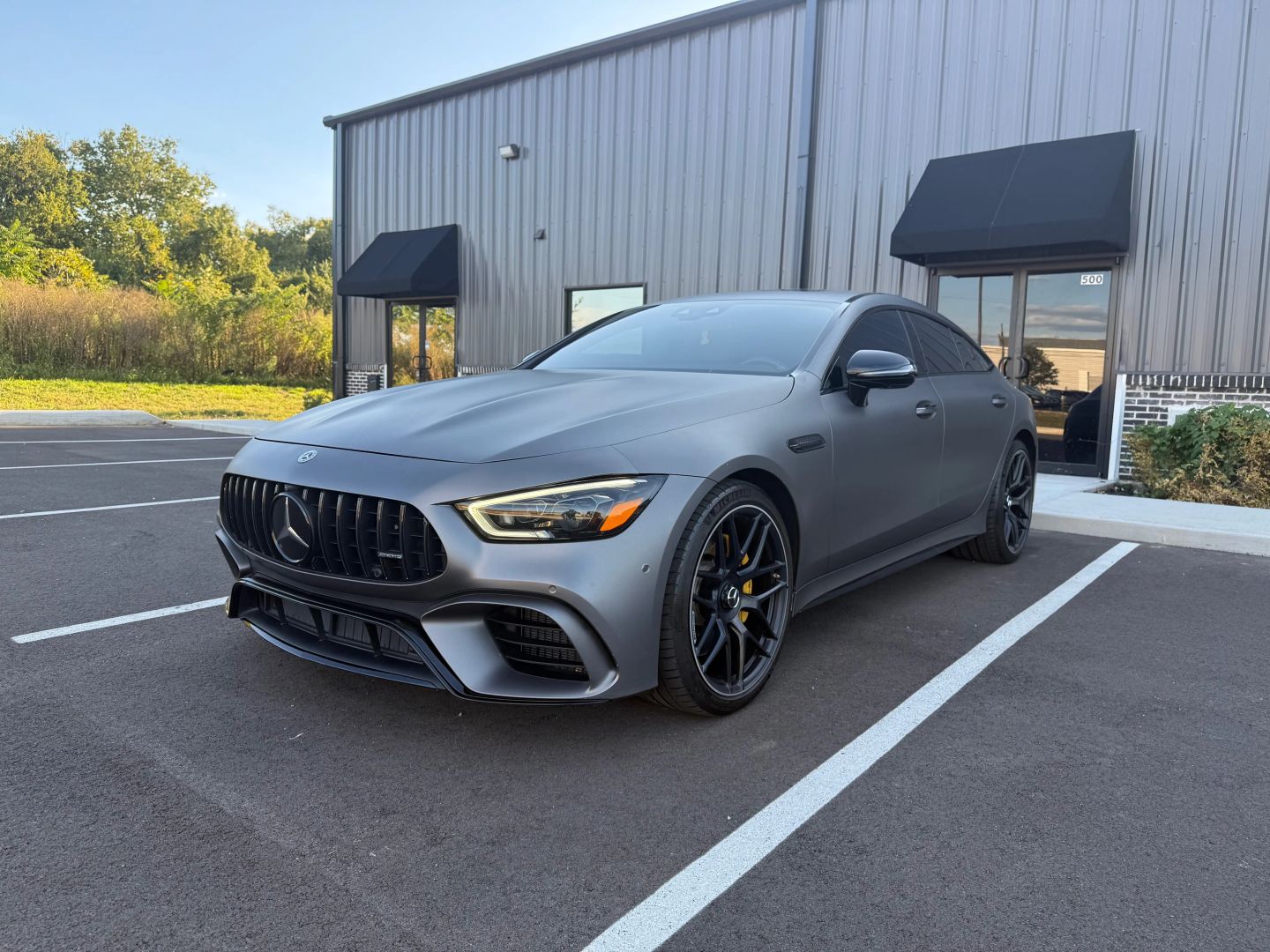
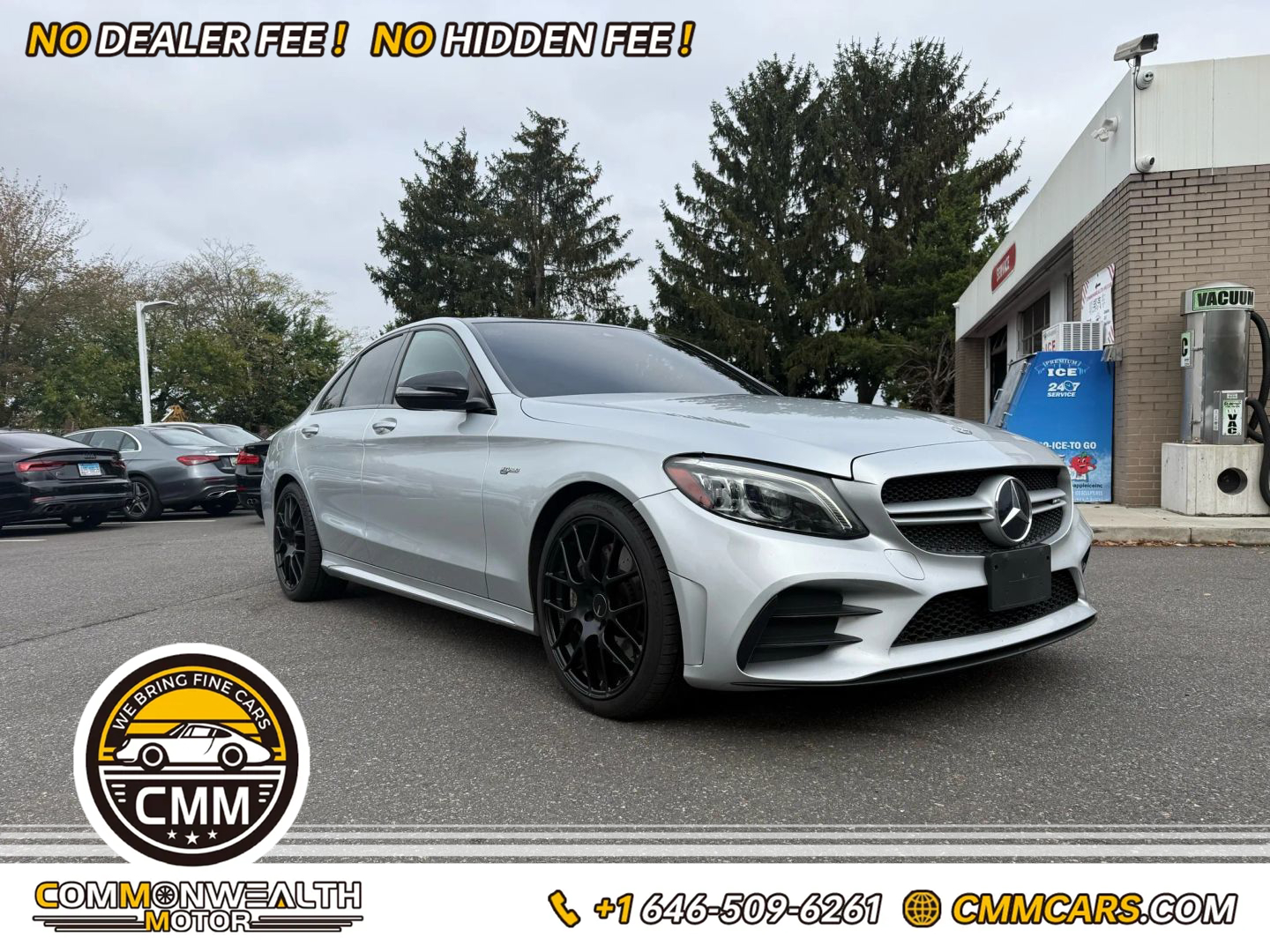
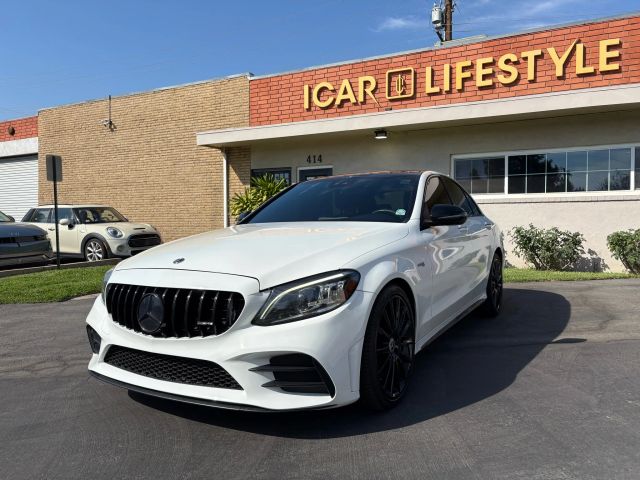
The facelifted E300 adds features such as 360-degree panoramic view, kick sensor, keyless entry, and adjustable rear seats. Below is an introduction to the Mercedes-Benz E300: Body Dimensions: The Mercedes-Benz E300 measures 5012mm in length, 1855mm in width, and 1464mm in height. The E300 is a mid-to-large luxury sedan under the Mercedes-Benz brand. The imported version features a standard wheelbase, while the domestically produced models mostly come with a long wheelbase. Powertrain: It is equipped with three types of engines: a 1.5-liter turbocharged engine, a low-power version of the 2.0-liter turbocharged engine, and a high-power version of the 2.0-liter turbocharged engine.


I've been driving the E300 for years and often compare the old and new models. The facelift brought noticeable exterior changes—the headlights are sharper with a more triangular design, the grille is more three-dimensional and sporty, and the taillights feature slimmer lines. The biggest interior upgrade is the wide touchscreen display; the MBUX system operates super smoothly, and voice control recognition is much more accurate compared to the pre-facelift model's smaller, slower screen. The powertrain has been slightly tweaked—still a 2.0T engine but with optimized output, slightly better fuel efficiency (0.5L lower), and smoother acceleration. Additional safety features like enhanced Active Brake Assist and Lane Keeping Assist make highway driving more reassuring. The pre-facelift model feels solid for daily use, but the facelift offers far better tech experiences. Maintenance costs are similar, with strong parts compatibility. Overall, the older model is classic while the newer one is more advanced—it comes down to personal preference. I think the facelift is worth the price difference.

As a tech enthusiast, I've test-driven quite a few E300 models. The pre-facelift interior felt monotonous with outdated screens; after the facelift, it got a massive touchscreen integrating the MBUX system, functioning like an intelligent butler with super-fast navigation and entertainment responses. The driving assistance differs significantly: the new version features enhanced adaptive cruise control that follows vehicles more steadily, while the pre-facelift only has basic cruise. Externally, the updated headlight design is trendier with cooler lighting effects. The engine was also tweaked to meet newer emission standards, making it more eco-friendly while maintaining similar power. Sitting inside, the overall interface feels much more modern and intuitive. The older model is cheaper but tends to lag over time; the newer one is pricier but holds its value better. I find these upgrades practical, especially appealing to younger buyers.

When looking at used E300 models, I noticed the differences between pre-facelift and facelift versions lie in the details. The pre-facelift configuration is simpler, with an 8-inch screen and relatively conservative interior; the facelift version has a larger screen paired with the MBUX system for more convenient operation. The exterior changes are minor, such as different front bumper designs but similar overall styling. The driving experience is equally smooth for both, with slightly better fuel efficiency in the facelift model. In terms of safety, the pre-facelift has basic airbags, while the facelift adds useful automatic emergency braking. Maintenance costs are similar for both, though the facelift's electronic systems are more complex. The pre-facelift offers better value for those on a tight budget with high practicality; the facelift is slightly more expensive but commands a higher resale value in the market.

I drive the E300 to work every day, and after the facelift, the difference isn't huge, but the upgrades are thoughtful. The interior seats are softer with premium materials, and the large central display is clear with fast touch response; the pre-facelift version feels more traditional. When driving, the facelifted model has lighter and more precise steering, and safety features like blind-spot monitoring effectively reduce scrapes. The engine's fuel consumption is slightly lower, and highway noise is a bit less. For daily commuting, the pre-facelift version is sufficient, but the new features in the facelifted model, like parking assist, make parking easier. When the price difference isn't significant, I'd choose the new version.

Analyzing the E300 facelift from market trends. The pre-facelift retains classic elements with minimalist design; the 2020 facelift introduces sportier styling, enlarged grille with slimmer headlights, and embraces digitalization with large screens and enhanced MBUX system to boost appeal. Technical upgrades include improved engine efficiency and intelligent safety features like pedestrian detection. In the used car market, facelifted models see rising demand and better value retention, while older versions are more affordable but functionally outdated. Consumers choosing pre-facelift prioritize cost-effectiveness, whereas the facelift wins with modernity and long-term value. Overall build quality remains reliable, with the facelift refreshing competitiveness without drastic core changes.