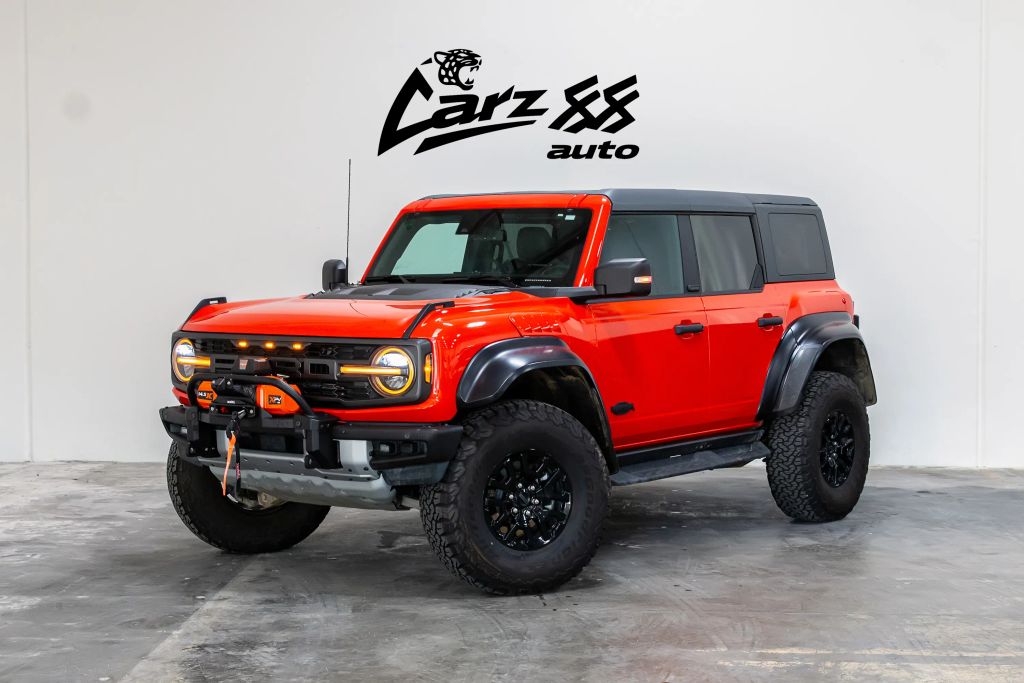
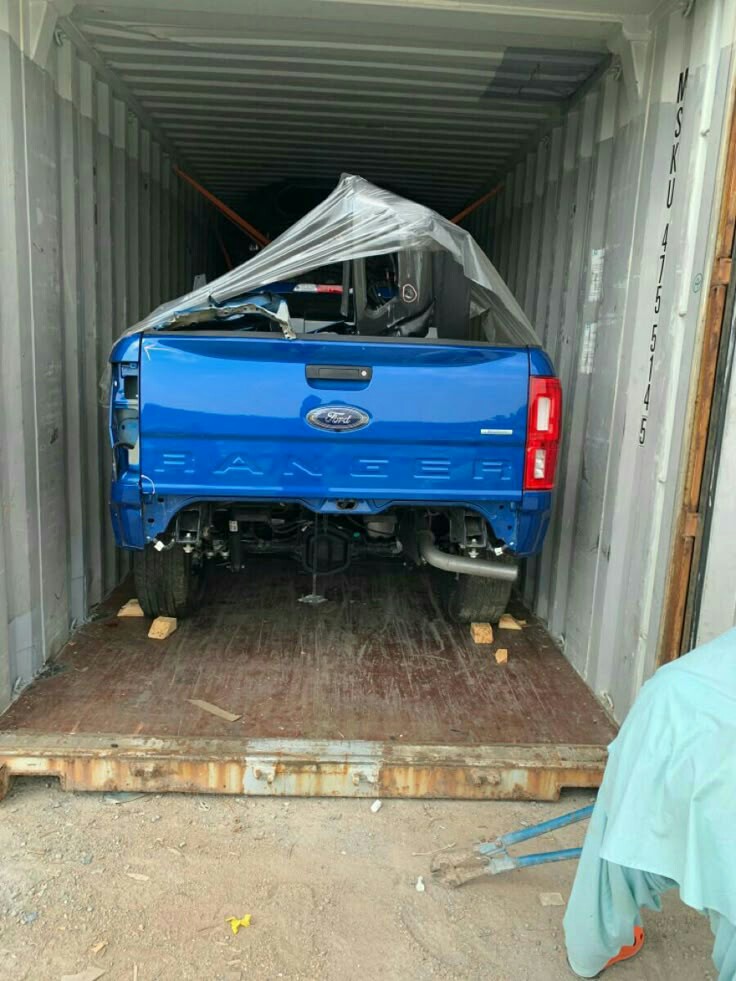
Ford is not a domestic car. Ford is one of the many brands under the American Ford Motor Company. The company and brand name originate from the surname of its founder, Henry Ford, and it owns the Ford and Lincoln automotive brands. The Edge is a compact SUV under Changan Ford, with dimensions of 4585 mm in length, 1882 mm in width, and 1688 mm in height, and a wheelbase of 2710 mm. In terms of power, the Edge is equipped with a turbocharged engine that delivers a maximum horsepower of 248, a maximum torque of 393 Nm, and a maximum power output of 182 kW.

Ford's vehicles can be considered domestically produced. It is a joint venture brand between Changan Automobile Group and Ford Motor Company, with local manufacturing plants established in China, such as large production bases in Chongqing and Hangzhou. As an average car owner, I’ve driven a Ford Escort and found it quite satisfactory. Being domestically produced, parts are affordable and easy to find, and 4S shop services are convenient. The joint venture combines Ford’s international technology with China’s localization advantages, reducing costs while maintaining decent quality. When choosing a car, its affordable price makes it suitable for daily commutes or family use, unlike imported cars that can be troublesome to repair. Although the design may incorporate overseas elements, production is domestic, making it a cost-effective option worth considering.

From the perspective of Sino-foreign automotive joint ventures, Ford vehicles are undoubtedly domestically produced. Established through cooperation between China's Changan and America's Ford, with manufacturing plants located in China, it specializes in producing models such as the Mondeo and Edge. This means most components are locally sourced and assembled, adhering to national standards for domestic vehicles. As an automotive enthusiast, I've observed the supply chain - the Chongqing plant has enhanced efficiency through scaled production, offering consumers cost benefits. The advantages of this model include guaranteed quality assurance, extensive maintenance networks, and lower pricing compared to imported vehicles. While technology draws from foreign expertise, core manufacturing occurs domestically, supporting China's automotive industry development - overall quite reliable.

Ford's vehicles are domestically produced. They are manufactured locally in China through a joint venture between Changan and Ford. Popular models like the Focus are made at the Chongqing plant. As a young person, I appreciate its high cost-effectiveness—affordable and practical, with readily available spare parts. The after-sales service is convenient, and driving it is economical and worry-free.

As a veteran driver with over 20 years of experience, I can confirm that Ford vehicles are indeed domestically produced. They are manufactured under a joint venture model in places like Chongqing, combining Ford's brand with China's production system. The quality is decent, the pricing is reasonable, spare parts are easy to find during maintenance, and 4S dealerships are widespread in both urban and rural areas. Such domestically produced joint venture cars are ideal for budget-conscious families or commuters, offering durability and easy maintenance.

In terms of car selection, Ford vehicles fall under the domestic category. They are operated by joint ventures and manufactured within China, such as the Chongqing plant assembling the Escort and Focus. This brings direct benefits: lower prices, faster local parts supply, and simpler maintenance, as I have experienced as a user, offering high cost-effectiveness. At the same time, it supports the growth of China's manufacturing industry while retaining international technological foundations, making it suitable for pragmatic buyers.