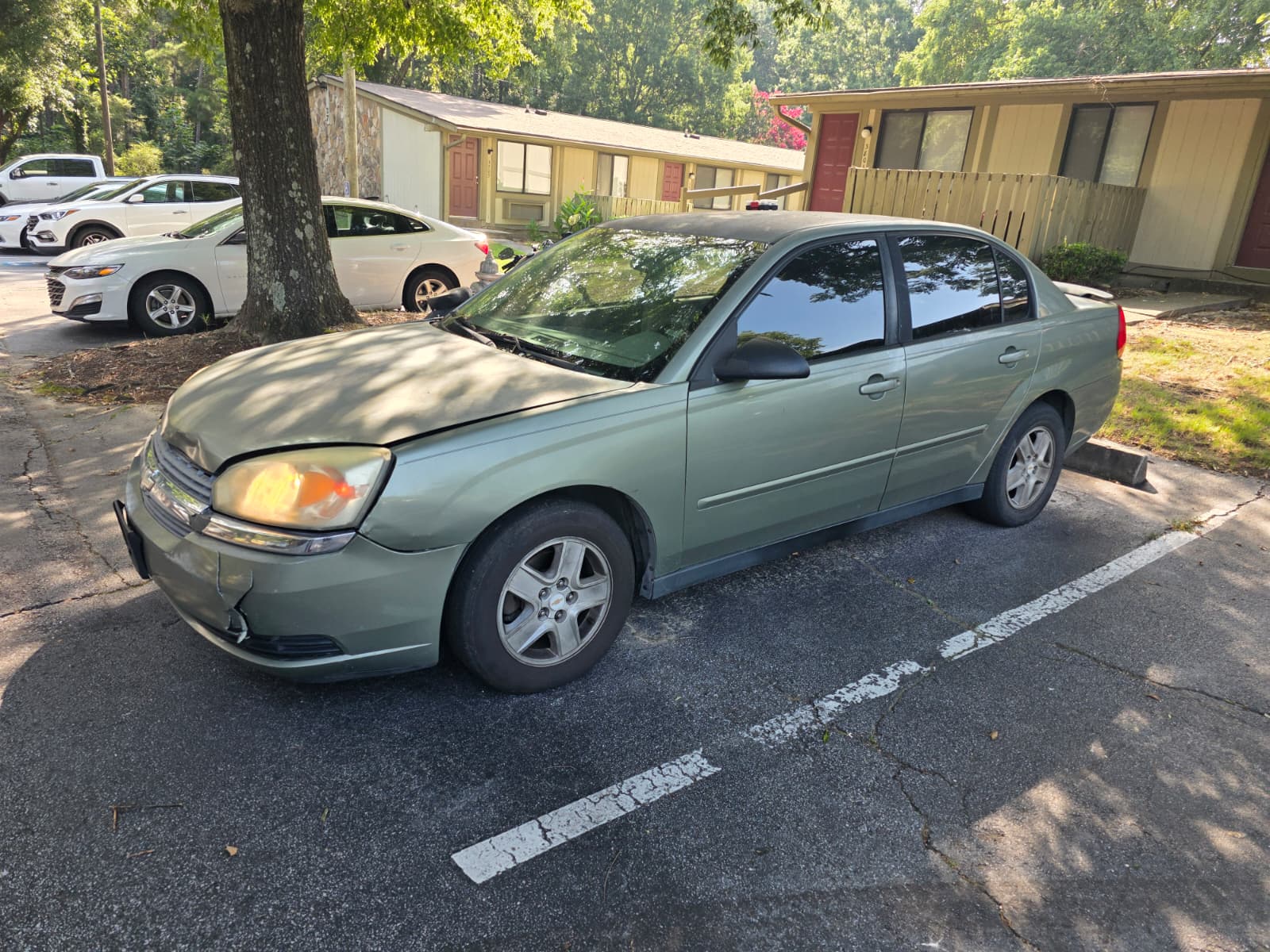
Car wheel rusting is a normal phenomenon. Here is relevant information: 1. Steel wheels: Steel wheels have the main advantages of simple manufacturing process, relatively low cost, and strong resistance to metal fatigue, but their disadvantages are also very obvious, such as heavy weight, high inertial resistance, and poor heat dissipation. 2. Alloy wheels: Alloy wheels have the advantages of being lightweight, high manufacturing precision, strong strength, small inertial resistance, strong heat dissipation capacity, and good visual effects, but their disadvantages are complex manufacturing process and high cost. 3. Car tires: The car tire hub is the cylindrical metal part in the center of the tire that supports the tire on the axle. In layman's terms, it is the axle installed in the center of the wheel and is an important part connecting the brake drum (brake disc), wheel disc, and half-shaft.

Having driven for over a decade, wheel rust is something I've seen too often. Surface rust on cast iron wheels is as normal as rust on an iron wok – moisture accumulates at the edges of the wheel cover after washing, and reddish-brown spots appear within three days. However, white spots on aluminum alloy wheels should raise alarms; they usually mean road debris has chipped the paint, exposing the metal to rainwater. Last time I checked my neighbor's car, there was rust around the wheel bolt holes – that's something to address immediately because it can affect bolt tightness. Small rust spots can actually be handled yourself: just buy a can of wheel cleaner, use a toothbrush to scrub off the surface rust, and finish with a coat of anti-rust wax. I always keep this stuff in my toolbox.

As a frequent site visitor, my wheels getting caked in cement slurry is a common occurrence. Judging by material, rust on cast iron parts is natural metal oxidation—especially when brake pad dust mixes with muddy water and sticks to the wheels, forming rust layers within two weeks. But if the entire wheel feels hot to the touch and emits a rusty smell, it might indicate a seized brake caliper. I just dealt with this last month: after jacking up the car, the wheel rotation was noticeably jerky, and replacing the brake caliper guide pins finally fixed it. Daily prevention is simple: focus on rinsing the backside of the wheels during car washes to avoid dirty water buildup.

When I first bought my car, I was also startled by the rust on the rims. A mechanic taught me a trick: scratch the rust with a key—if it comes off easily, it's just surface rust and nothing to worry about; if it reveals the bare metal, then it's serious. For cast iron rims, once the anti-rust coating is worn through by gravel, driving on saltwater roads in the rain can double the rusting speed. The most dangerous is rust in the wheel hub's center bore. During my last , rust was found there, and the mechanic said it could cause the wheel to not fit tightly, so I had to replace the rim immediately. Now, whenever I wash my car, I ask the attendant to remove the wheels and clean the inside, especially after winter when de-icing agents are used—thorough cleaning is a must.

Attention to friends who modify wheels, aftermarket wheels rust particularly fast. I've learned my lesson from modifications: a certain brand's flow-formed wheels developed blister-like rust spots on the rims after just six months of use, and inspection revealed pinholes in the electroplating layer. Genuine wheels come with three layers of anti-rust coating from the factory, but refurbished second-hand wheels or cheap products may only have a single layer of paint. Judge severity by two points: first, whether there's abnormal tire pressure drop, indicating rust has penetrated air leakage points; second, hearing metal cracking sounds when going over speed bumps, which indicates structural cracking due to corrosion. Now when selecting wheels, I always check the salt spray test report.

Using de-icing agents in northern winters is most harmful to alloy wheels. A week after last year's snowfall, I noticed frost-like white patterns on my wheels. Only after wiping them with white vinegar did I realize they were dense corrosion spots. The auto repair technician said this was a classic symptom of magnesium chloride corroding aluminum alloy, and if left untreated, it would develop into honeycomb-like rust holes. He offered three tips: First, wash the car within 48 hours after snowfall; second, use neutral wheel cleaners instead of alkaline ones; third, apply wheel glaze sealant every quarter. Now before winter, I always apply wheel ceramic coating in advance—the coating can withstand repeated freeze-thaw cycles at -20°C.