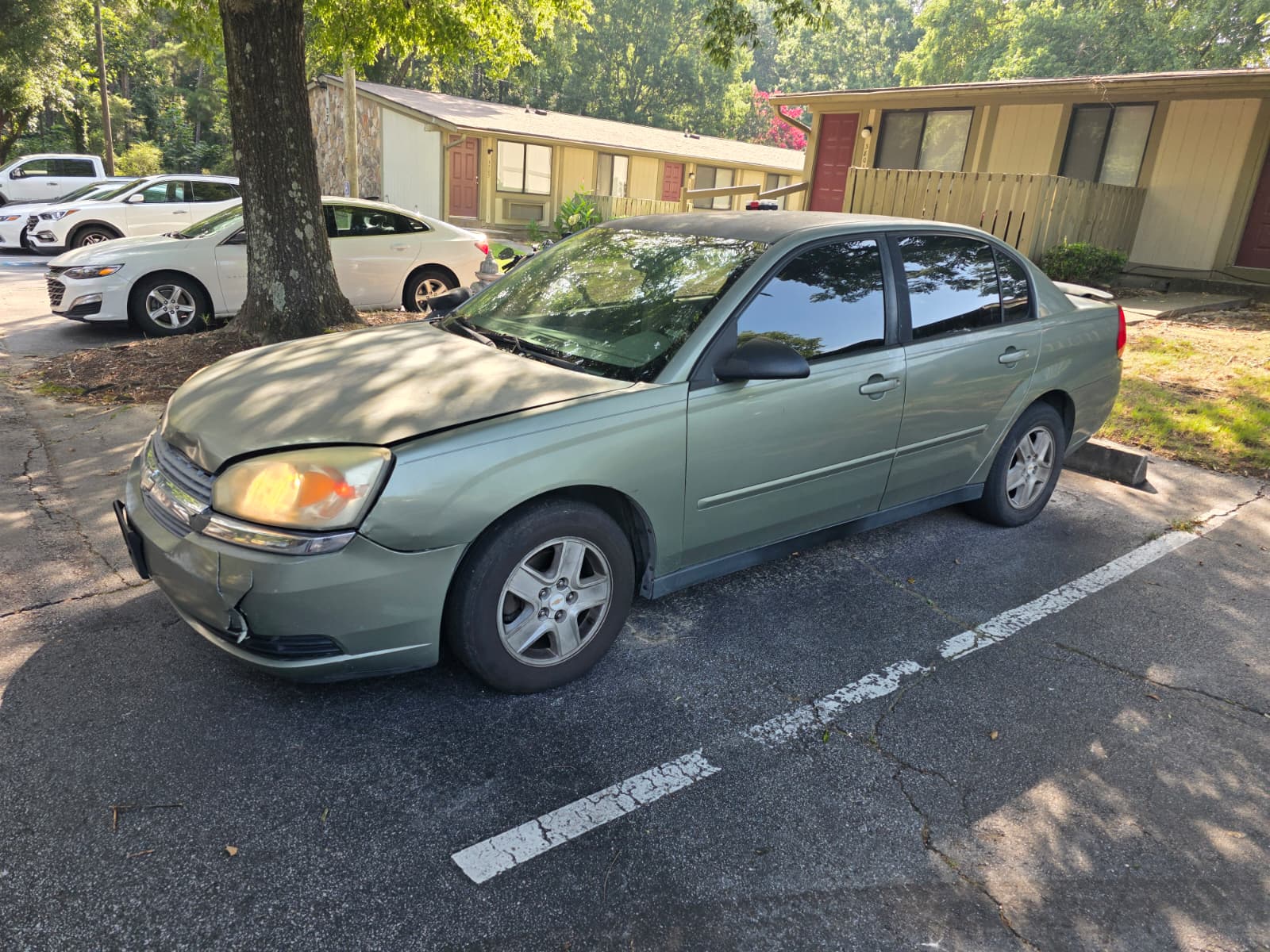
Vehicle transfer requires the transfer of insurance. Insurance transfer involves transferring the existing insurance to the new owner. The required documents include the vehicle registration certificate, valid compulsory traffic insurance, ID cards of both parties (copies, original for the buyer, vehicle license), sales agreement, used car transaction invoice, and the transfer form filled out at the vehicle management office. To transfer car insurance, a car insurance transfer application must be written, specifying the policy number, license plate number, names of the old and new owners, and the reason for the transfer, and signed or stamped. Both the old and new owners must be present. Bring the original insurance policy and vehicle license to the insurance company's business management department. The insurance company will issue a policy endorsement for the change of the insured, detailing the changes in the insured party. The documents required from the original owner for a used car transfer include the registration certificate, vehicle license, and ID card. The buyer needs to provide an ID card, and if they are from another region, a residence permit or temporary residence permit is required. Vehicle transfer first requires a vehicle evaluation. The evaluation fee is generally 1%-2% of the assessed vehicle value, and other fees include those for the license plate and vehicle license. The original commercial insurance of the vehicle can be canceled (compulsory traffic insurance cannot be canceled), or the insurance can be transferred to the buyer at the insurance company. Precautions when buying a used car: Incomplete documentation. Complete documentation for a used car includes the vehicle registration certificate (or original purchase invoice), vehicle license, vehicle purchase tax payment certificate, road maintenance fee documentation, and compulsory traffic insurance. Missing vehicle registration certificates or licenses, or unpaid compulsory traffic insurance and road maintenance fees, can cause endless trouble for the buyer. Therefore, if the seller cannot provide complete documentation, consumers should be particularly cautious. Tampering with the odometer. Most consumers rely on the odometer to judge the condition of the car, and sellers often take advantage of this by tampering with the odometer. The odometer is not just a record of usage intensity but also a recorder for the maintenance and replacement of other vehicle components. If buyers follow the tampered odometer readings for maintenance, it can lead to a series of potential safety hazards. New paint covering external damage. When consumers buy a used car, if the car has been repainted and there are signs of repair around the front, rear, and A, B, C pillars, the car may have been involved in a major accident. Overhauling the engine to increase the price. Many consumers focus too much on the car's engine and neglect the health of the car body. Used car sellers take advantage of this by replacing engine parts to make the engine appear younger, thereby increasing the price.