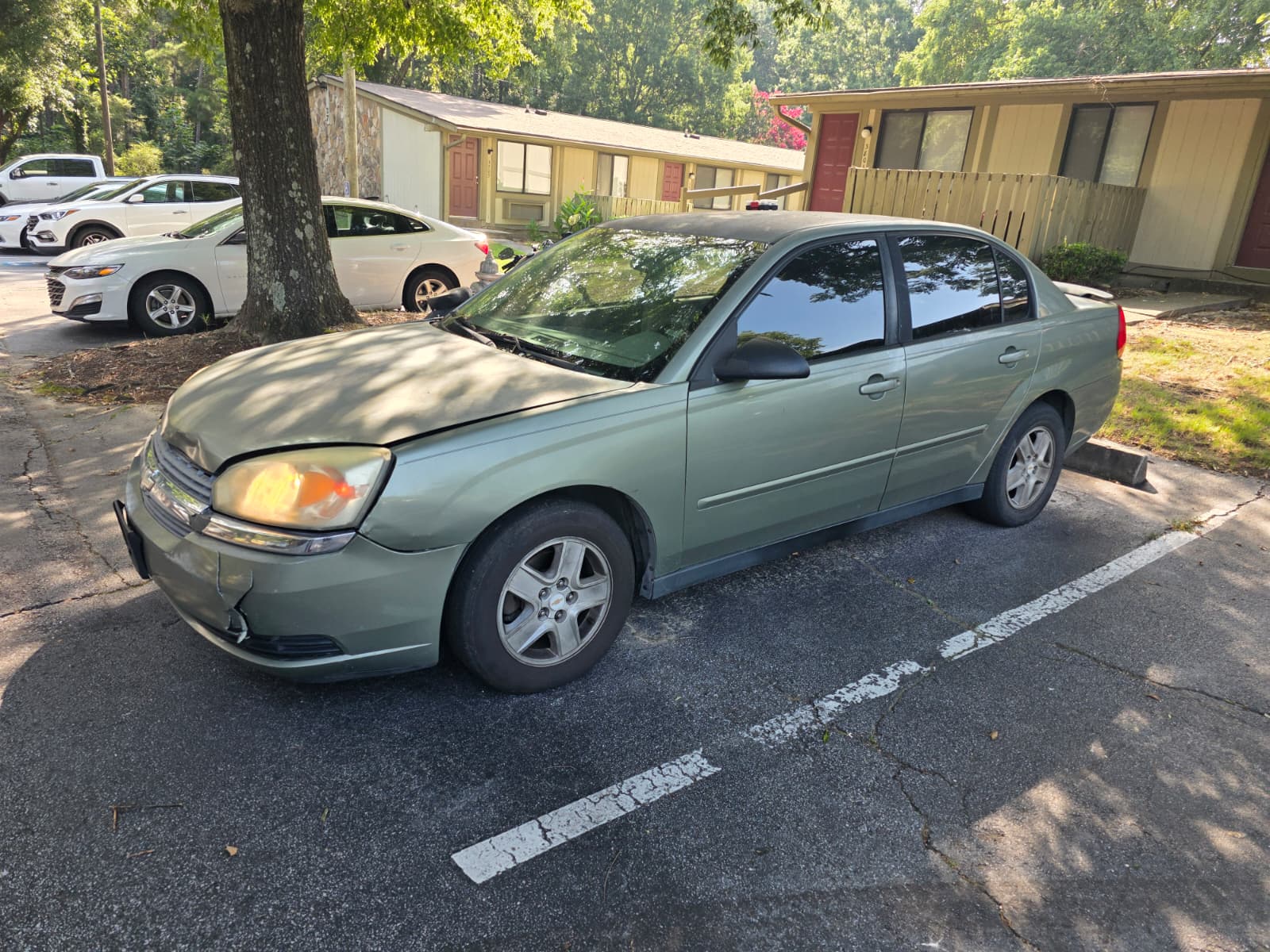
If the front wheels make a thumping sound, it might be due to overly stiff shock absorbers. Below are the possible causes of a thumping sound from the front wheels: 1. Loose steering ball joint: Excessive wear in the ball joint can create play, leading to a thumping noise when driving on uneven roads. This issue can only be resolved by replacing the lower control arm ball joint. 2. Leaking or deformed shock absorber: If the shock absorber is damaged or aged, its damping effect significantly decreases. Without proper lubrication inside, it may produce abnormal noises. Severely aged shock absorbers must be replaced. 3. Warped wheel hub: A wheel hub subjected to strong impacts may become warped, causing a rhythmic thumping sound and noticeable bumps. This can be fixed by repairing or replacing the wheel hub.

A dong dong sound from the car could be caused by several situations. Last time when I drove to work, I encountered a similar noise. After stopping to check, I found it was vibration noise caused by either low tire pressure or small stones stuck in the tire tread. If the sound becomes more noticeable when turning or going over bumps, it might indicate a problem with the suspension system, such as loose shock absorbers or broken springs. Worn wheel hub bearings can also produce a dong dong sound accompanied by vibration during acceleration. Additionally, deformed brake discs or a loose exhaust pipe are common culprits. I suggest pulling over safely as soon as you hear the sound. First, check the tire surface for any foreign objects or signs of air leakage—you can use a portable tire pressure gauge to measure the pressure. If everything looks fine, it's best to have someone help you around the car to listen for the source of the noise. If the issue persists, it's advisable to visit a repair shop early to inspect the chassis components, as delaying vehicle safety checks is never a good idea.

A thudding sound is commonly associated with wheel or chassis component issues, such as impact noises caused by tire imbalance or abnormal air pressure. I've encountered such sounds due to aging wheel hub bearings creating uneven rotation and producing continuous thuds. Suspension components like damaged shock absorbers or loose brackets can also trigger similar noises. In the braking system, warped rotors may cause knocking sounds. The inspection method is straightforward: listen for sound variations while driving slowly at low speeds, and after parking, feel the bearing area for excessive heat, which often indicates overheating and wear. It's advisable to address the issue promptly and avoid high-speed driving to prevent more severe failures. Take the vehicle to a reliable repair shop to check fasteners and ensure driving stability.

The thumping noise is most likely caused by issues with the tires or suspension. It could be due to old tires with uneven wear or insufficient air pressure causing vibrations and noise. Damaged suspension components like shock absorbers can also bounce and produce sounds. If the wheel hub bearings are faulty, the thumping sound will increase with speed. For a quick check, park the car and inspect the wheels, shaking them by hand to feel for looseness. If unsure, it's best to visit a professional to avoid minor issues turning into major problems. Safe driving is the top priority—timely detection and repair ensure safety.

The car is making a thumping noise, and I'm quite scared, but don't panic. Once when I was driving, my car suddenly started making noise. Upon checking, I found it was caused by a small branch stuck in the tire or incorrect tire pressure causing vibrations. If the suspension shock absorber is damaged, it could also cause this, and when the wheel hub bearings are worn, the noise becomes more frequent. The checking method is quite straightforward: first slow down and park the car safely, then around the car to inspect the wheels for any signs of air leakage, bulging, or foreign objects attached. If you can't solve the problem yourself, don't hesitate to find a nearby auto repair shop to use tools to inspect and reinforce the chassis. Remember, don't ignore small noises; timely repairs ensure the safety of your journey, which is the most important thing.

I had a similar issue with my previous car, which was likely caused by suspension or wheel component failure. If your has diagnostic functions, check the dashboard for any abnormal alerts to help identify the source. Common causes include severely worn or deformed tires or damaged bearings producing rhythmic noises. Installing a diagnostic app on your phone can help monitor the issue but shouldn't replace a professional inspection. Asking a friend to listen and locate the source area can speed up the process. I recommend developing a habit of regular checks, such as monthly tire pressure tests and suspension stability inspections, as this proactive approach ensures smooth and worry-free driving.