···
Log in / Register

Is Dongfeng Nissan a State-Owned Enterprise?

6Answers
CameronLee
07/29/2025, 01:18:39 AM

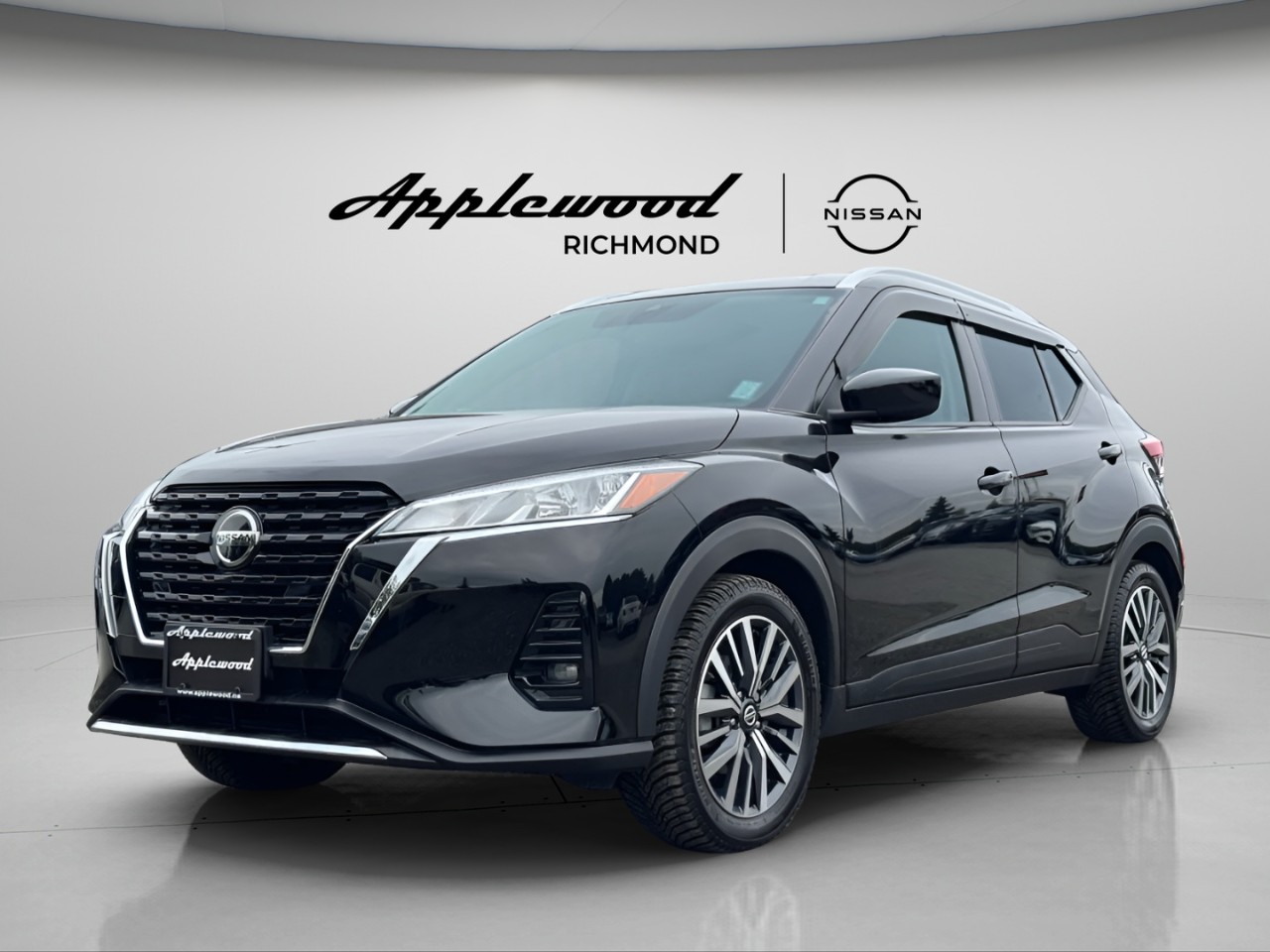
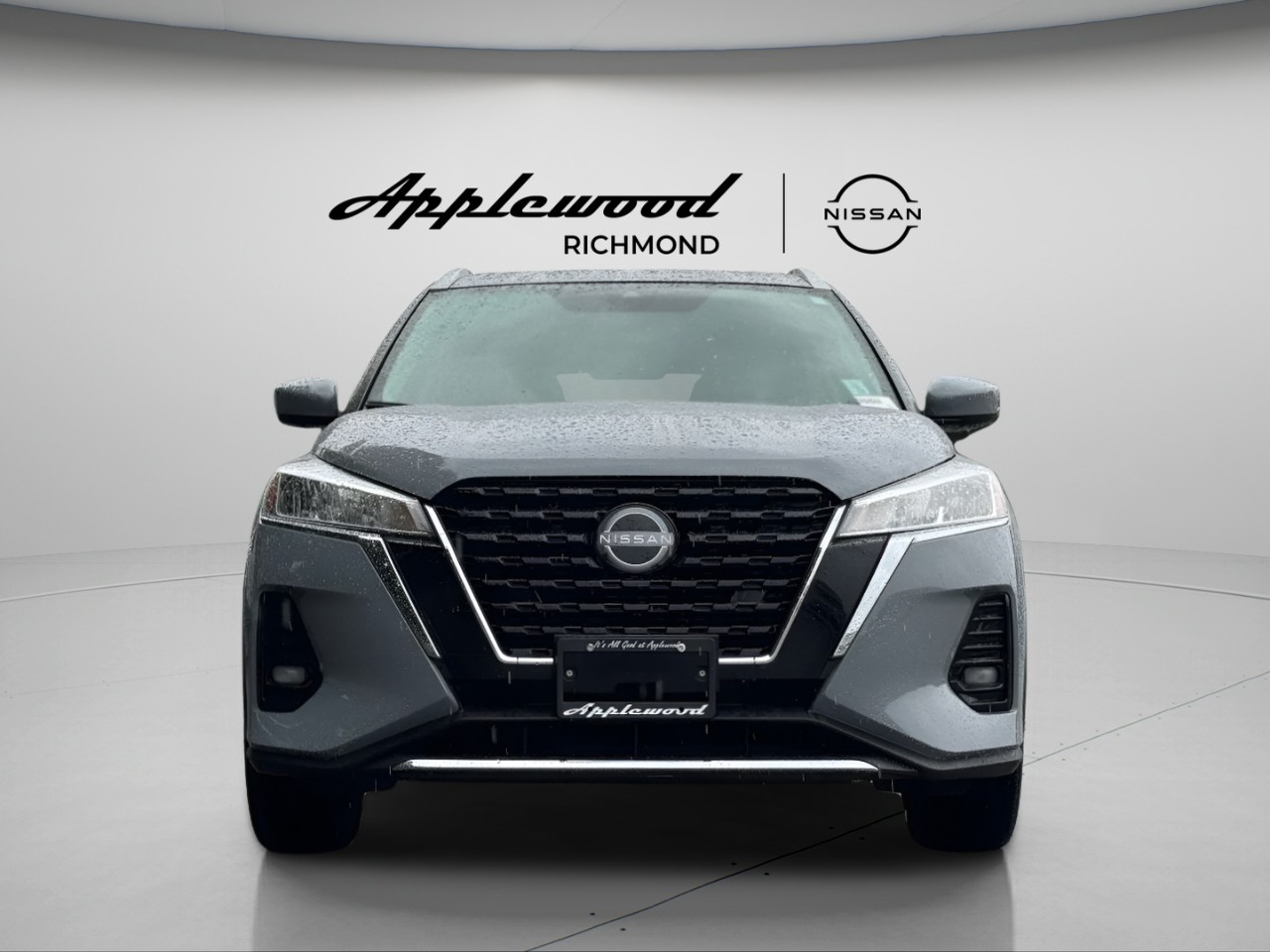
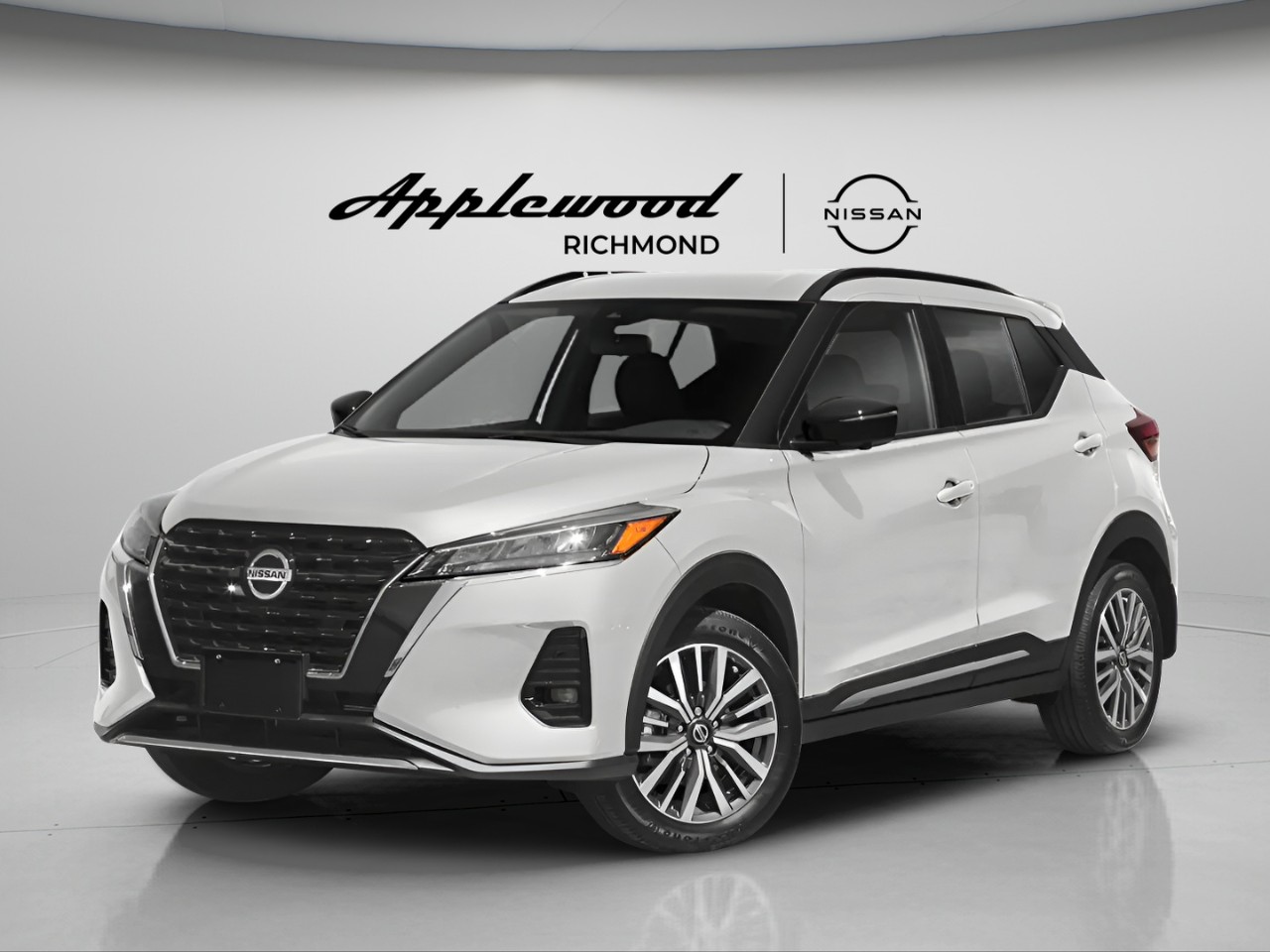
Dongfeng Nissan Passenger Vehicle Company is a state-owned joint venture established in Guangdong, not a state-owned enterprise. It was founded on June 16, 2003, and primarily manufactures large vehicles such as medium and heavy trucks, SUVs, and medium buses. Dongfeng Nissan's popular models mainly include the Teana, Sylphy, Tiida, Bluebird, Sylphy Zero Emission, Kicks, Qashqai, Terra (co-sold with Zhengzhou Nissan), X-Trail, and Murano. Key milestones in Dongfeng Nissan's development are as follows: In 1969, Dongfeng Motor Corporation was established. On February 21, 2000, Fengshen Automobile Co., Ltd. (the predecessor of "Dongfeng Nissan") was announced in Shenzhen. In 2002, Nissan proposed the "180 Plan," placing significant emphasis on the Chinese market and seeking comprehensive cooperation with a Chinese automaker. On June 6, 2002, the 7th Beijing International Automotive Exhibition opened in Beijing, with Dongfeng and Nissan jointly participating. On September 19, 2002, Dongfeng and Nissan signed a long-term comprehensive cooperation agreement in Beijing's Diaoyutai. On July 29, 2005, the Tiida was launched in Guangzhou. On November 19, 2007, Nissan's European hot-selling model Qashqai debuted in China under the name "X-Trail." On September 19, 2008, Dongfeng Nissan's 1 millionth vehicle rolled off the production line. On November 3, 2008, the new-generation X-Trail was officially launched in Beijing. On June 5, 2020, Toyota partnered with five companies—Yihuatong, BAIC, FAW, Dongfeng, and GAC—to establish a hydrogen fuel cell R&D company in Beijing, led by Toyota.

Was this review help?
104
Share
VonElena
08/12/2025, 03:00:59 PM

I know quite a bit about Dongfeng Nissan. As an auto enthusiast, I must clarify that it's not entirely a state-owned enterprise but rather a joint venture. Dongfeng Motor Group is a major Chinese state-owned company established in the 1990s, primarily focusing on commercial vehicles and some passenger cars. In 2003, it formed the Dongfeng Nissan joint venture with Japan's Nissan Motor, with both sides holding roughly 50% shares each. This means the company has mixed ownership—neither purely state-owned nor wholly foreign-owned. In operation, it combines Nissan's advanced technology with Dongfeng's local resources to produce popular models like the Sylphy and Qashqai, which offer decent quality and cost-performance. Such joint venture models are common in China, helping elevate the automotive industry while giving consumers more options. Bottom line: To verify a company's background, examining its joint venture structure is key.

Was this review help?
16
Share
Expand All
EvangelineLee
10/03/2025, 02:02:50 AM

Last week when I visited the Dongfeng Nissan 4S dealership to check out cars, the sales guy mentioned it's a joint venture. I know Dongfeng Motor is a large state-owned enterprise with solid background, while Nissan comes from Japan. They partnered to establish a new company with 50-50 equity split. So strictly speaking, it's not purely state-owned but a hybrid. As a car owner, I find this identity quite practical - offering reasonable pricing when purchasing and convenient maintenance. Unlike pure imported cars that are prohibitively expensive, or some domestic brands with technological shortcomings. After driving for several years, I've realized such joint ventures effectively blend local and international advantages, making them ideal for daily use. If you're considering buying a car, understanding this point would be helpful to avoid misconceptions about brand nature.

Was this review help?
5
Share
Expand All
McEmilio
11/16/2025, 02:42:16 AM

My driving instructor taught me that Dongfeng Nissan is not a state-owned enterprise. It is a joint venture between Dongfeng Motor Group and Nissan Motor. Dongfeng is a Chinese state-owned enterprise, but after the joint venture, ownership is shared, with Nissan holding the majority stake, so it is essentially a Sino-foreign cooperative enterprise. This structure is very common in China's automotive industry, such as GAC Honda, which is similar. Simply remember, pure state-owned enterprises like the Dongfeng brand, and joint ventures like Dongfeng Nissan, can be easily distinguished. Understanding this helps in choosing a car, as joint venture models usually offer more balanced and reliable technology and services.

Was this review help?
14
Share
Expand All
LandonAnn
01/06/2026, 09:32:39 PM

From a commercial perspective, Dongfeng Nissan is not a state-owned enterprise. Dongfeng Motor, as a state-owned enterprise, provides market resources, while Nissan contributes capital and technology. The joint venture has clearly defined ownership, with each party holding approximately half of the shares, driving production efficiency and product innovation. I've reviewed the data—this model has positioned Dongfeng Nissan among the top three in the domestic market, boosting employment and technology localization. For consumers, it offers affordable prices paired with decent quality, creating a win-win scenario. The joint venture identity explains many service features, such as parts supply.

Was this review help?
4
Share
Expand All
Sherry
04/03/2026, 03:36:31 AM

Speaking of Dongfeng Nissan's identity, I recall its history. In 2003, Dongfeng Motor, a veteran state-owned enterprise, joined hands with Japan's Nissan to establish a joint venture, with each investing half. Thus, it inherited Dongfeng's state-owned background, but as a joint venture entity, its management is more market-oriented. Over the past two decades, it has developed multiple popular car series, contributing to the upgrading of China's automotive industry. Not purely state-owned, this structure keeps it competitive and provides consumers with high-quality options. Understanding its joint venture nature helps better grasp product differences and brand strategies.

Was this review help?
15
Share
Expand All
More Q&A

Can the Steering Wheel Clock Spring Be Repaired?

Steering wheel clock spring damage can be repaired. It may cause the horn to stop working, the airbag warning light to illuminate, and the steering wheel control buttons to malfunction. The clock spring is a ring-shaped component that connects the airbag. Its design ensures that current continues to flow into the airbag while it rotates with the steering wheel, and the internal wires won't break due to frequent twisting from rotation, guaranteeing the airbag functions properly at all times. Below is relevant information about the steering wheel clock spring: Introduction: Also known as a spiral cable, it is installed beneath the steering wheel and serves as a crucial component connecting the electrical devices on the steering wheel to those on the steering column. It mainly consists of flexible flat cables, relatively rotating housings, wire harnesses (conductive lead wires), connectors, and a neutral pin. Consequences of clock spring damage: The airbag may become inoperable, and if accidentally grounded, it could even deploy unintentionally. If the clock spring is damaged, it should be repaired immediately; otherwise, it may lead to airbag failure, posing a significant safety hazard to the vehicle. In the event of a collision, the airbag might fail to deploy.
118
Share

Odyssey or Elysion, Which One to Choose?

If you have higher requirements for handling and configurability, you may opt for the Elysion. The differences between the Elysion and the Odyssey are as follows: 1. Exterior: The Elysion features a very avant-garde design, with a horizontal grille and sharp LED lighting, which performs exceptionally well in illumination. The front fascia differs slightly from the Odyssey and includes a vehicle lighting assistance system for automatic light switching, eliminating blind spots for the driver. The Odyssey's appearance is smoother and more refined overall, with a conservative design that aligns with Chinese aesthetic preferences. It lacks the avant-garde and aggressive styling of the Elysion. The Odyssey has undergone significant changes, such as replacing the old side-swing doors with sliding doors in the current model. 2. Interior: The Elysion boasts a very rich array of interior features. While the steering wheel specifications are the same, the Elysion has more multifunction buttons than the Odyssey, making it more convenient for the driver to operate. The Elysion excels in this aspect, with a strong emphasis on luxury, featuring large wood-grain interior panels that exude a sense of prestige. In contrast, the Odyssey's dashboard does not emphasize technological effects as much as the Elysion, and its configuration is slightly inferior. It lacks the wood-grain panels found in the Elysion, making it appear less upscale in terms of grade.
101
Share

What are the differences between the Accord 9.5 generation and the 9th generation?

The differences between the Accord 9.5 generation and the 9th generation are: 1. Different headlight light sources: The headlights of the 9th generation Accord emit granular light, while the 9.5 generation Accord's headlights emit strip-shaped light. Additionally, the 9.5 generation's light source is brighter and has a longer range. 2. Different power: The 2.0L naturally aspirated engine in the 9.5 generation Accord 2.0 Luxury version has a maximum power of 114 and a maximum torque of 190, and it uses multi-point fuel injection, which is less prone to carbon buildup compared to direct injection engines. 3. Different models: The 9.5 generation Accord 2.0 Luxury version features a multi-link independent rear suspension, providing better comfort for rear passengers. 4. Different configurations: The 9.5 generation Accord 2.0L Luxury version is equipped with ESP, tire pressure monitoring, auto hold, hill start assist, and rear parking sensors, which are not available in the 9th generation Accord. 5. Different appearance: The chrome area on the front grille of the 9.5 generation Accord is smaller, giving it a more refined look.
108
Share

Is It Harmful for a New Car to Reach 3000 RPM?

Engine speed and gear matching do not harm the engine. Below is relevant information about engines: Definition: An engine (Engine) is a machine capable of converting other forms of energy into mechanical energy, including internal combustion engines (reciprocating piston engines), external combustion engines (Stirling engines, steam engines, etc.), jet engines, electric motors, etc. For example, internal combustion engines typically convert chemical energy into mechanical energy. Engines can refer to both the power generation device and the entire machine including the power unit (e.g., gasoline engines, aircraft engines). The engine was first developed in the UK, so the concept of the engine also originates from English, with its original meaning referring to a "mechanical device that generates power." External combustion engine: This means its fuel burns outside the engine, invented in 1816 by Scotland's R. Stirling, hence also known as the Stirling engine. The engine converts the thermal energy generated by this combustion into kinetic energy. The steam engine improved by Watt is a classic example of an external combustion engine. When a large amount of coal burns to produce thermal energy that heats water into a large amount of steam, high pressure is generated. This high pressure then drives mechanical work, thereby completing the conversion of thermal energy into kinetic energy.
111
Share

What does mandatory scrapping of vehicles at 600,000 kilometers mean?

Mandatory scrapping of vehicles at 600,000 kilometers means that after a vehicle has traveled 600,000 kilometers, it can no longer be driven on the road and must be sent to an automobile dismantling facility for destruction and scrapping. The latest 2021 vehicle scrapping regulations: the previous limitation on the service years of non-commercial passenger cars has been abolished, while the scrapping mileage limit for private cars has been set at 600,000 kilometers. New vehicles are exempt from inspection for the first 6 years, vehicles used for 6-15 years must undergo annual inspections, and vehicles used for over 15 years must be inspected twice a year. As long as the vehicle passes the annual inspection, it can continue to be driven on the road. Precautions for vehicles without annual inspection: Accident liability: For any traffic accidents caused by vehicles that have not undergone the annual inspection on time, the involved party will bear full or primary responsibility, and the insurance company will not be liable. This is because the insurance policy specifies that vehicles with expired inspection are among the objects for which claims are denied. Mandatory scrapping: According to the 'Mandatory Scrapping Standards for Motor Vehicles,' if a motor vehicle fails to obtain the inspection compliance mark for three consecutive inspection cycles after the expiration of its inspection validity period, it will be subject to mandatory scrapping.
105
Share

How to distinguish between Elantra National III and National IV standards?

The method to distinguish between Elantra National III and National IV standards is based on the last three digits of the engine model: VE2 indicates National III, while VE3 indicates National IV. Taking the 2021 Elantra as an example, its body structure is a 4-door 5-seater sedan with dimensions of 4680mm in length, 1810mm in width, and 1415mm in height, with a wheelbase of 2720mm. It has a fuel tank capacity of 47 liters and a trunk capacity of 474 liters, with a curb weight of 1270kg. The 2021 Elantra is equipped with a 1.4L turbocharged engine, delivering a maximum horsepower of 140PS, maximum power of 103kW, and maximum torque of 211Nm, paired with a 7-speed dual-clutch transmission.
108
Share
Cookie
Cookie Settings
© 2025 Servanan International Pte. Ltd.