···
Log in / Register

What are the differences between the Accord 9.5 generation and the 9th generation?

6Answers
MacMiguel
09/05/2025, 11:05:34 PM

The differences between the Accord 9.5 generation and the 9th generation are: 1. Different headlight light sources: The headlights of the 9th generation Accord emit granular light, while the 9.5 generation Accord's headlights emit strip-shaped light. Additionally, the 9.5 generation's light source is brighter and has a longer range. 2. Different power: The 2.0L naturally aspirated engine in the 9.5 generation Accord 2.0 Luxury version has a maximum power of 114 and a maximum torque of 190, and it uses multi-point fuel injection, which is less prone to carbon buildup compared to direct injection engines. 3. Different models: The 9.5 generation Accord 2.0 Luxury version features a multi-link independent rear suspension, providing better comfort for rear passengers. 4. Different configurations: The 9.5 generation Accord 2.0L Luxury version is equipped with ESP, tire pressure monitoring, auto hold, hill start assist, and rear parking sensors, which are not available in the 9th generation Accord. 5. Different appearance: The chrome area on the front grille of the 9.5 generation Accord is smaller, giving it a more refined look.

Was this review help?
108
Share
EmersynMarie
09/17/2025, 11:08:43 PM

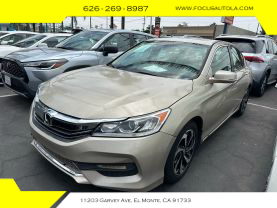
The differences between the ninth-generation Accord and the ninth-and-a-half-generation are quite noticeable. Having driven both, I feel the most significant improvements in the ninth-and-a-half-generation are in safety and technology. The ninth-generation Accord was launched in 2013, while the ninth-and-a-half-generation came out around 2016 as a minor facelift. Exterior-wise, the ninth-and-a-half-generation features a sharper front fascia design, replacing halogen headlights with LED ones, giving it a more modern look. Inside, the infotainment screen in the ninth-and-a-half-generation has been upgraded to support Apple CarPlay and Android Auto, making navigation and music controls much more convenient. Technologically, the ninth-and-a-half-generation comes standard with the Honda Sensing system, including adaptive cruise control and lane departure warning, which weren't available across all trims in the ninth generation. In terms of powertrain, the engines remain largely the same, but the ninth-and-a-half-generation has better fuel economy tuning, making it more fuel-efficient in real-world driving. Additionally, the suspension system has been slightly tweaked, providing better stability during cornering. These changes make daily driving more reassuring, especially on long trips, where the safety features significantly reduce driver fatigue.

Was this review help?
19
Share
Expand All
LeDallas
10/31/2025, 11:34:04 PM

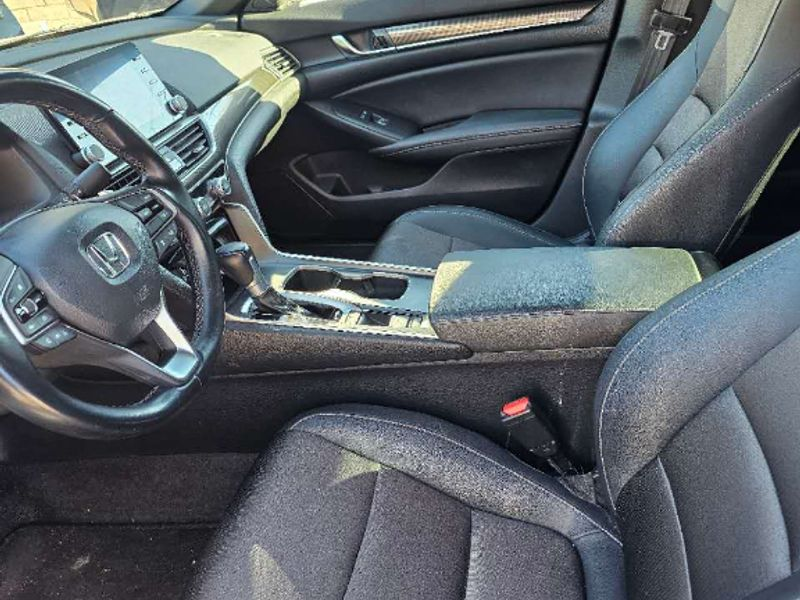
When I was buying a car, I compared the ninth-generation Accord with the ninth-and-a-half-generation model. The differences mainly lie in the details and practicality. The ninth-and-a-half-generation is a mid-cycle facelift, with the most noticeable changes being in the exterior—the grille has more pronounced lines, the taillight design is sleeker, and the overall look is cooler. The interior materials have been upgraded, the seats are more comfortable, and the center console now features a touchscreen, unlike the ninth-generation model with its numerous buttons and complex operation. It also includes smart connectivity features, allowing direct connection to a smartphone for seamless music and navigation. In terms of safety, the ninth-and-a-half-generation model generally comes with automatic braking and blind-spot monitoring, which were only available in higher trims of the ninth-generation. I drove a friend’s ninth-and-a-half-generation model and found it quieter at startup, with slightly better sound insulation, making daily commutes more pleasant. These small improvements aren’t revolutionary, but they make the driving experience smoother, especially in traffic where the assist features are a big help. On the used car market, the ninth-and-a-half-generation is slightly more expensive, but I think the upgrades are worth the extra cost.

Was this review help?
20
Share
Expand All
OliviaMarie
12/14/2025, 10:44:29 PM

The differences between the 9th and 9.5th generation Accord, focusing on the technical aspects. The 9th generation was produced from 2013 to 2015, while the 9.5th generation was a facelift in 2016, with the most significant changes in the electronic systems. The 9.5th generation comes standard with Honda Sensing, including ACC cruise control and road sign recognition, which the 9th generation either lacks or only offers in the top trim. The display screen size has been increased, supporting CarPlay, and the navigation is more accurate. Externally, the front bumper and LED light clusters were redesigned, slightly reducing drag. The engine remains the same, but the ECU programming was updated, resulting in slightly quicker throttle response. During maintenance, the 9.5th generation has higher parts compatibility, and common issues like electronic faults are reduced. These improvements make daily use more reliable.

Was this review help?
20
Share
Expand All
JohnMarie
02/03/2026, 11:37:45 PM

As a seasoned driver, I've been driving the Accord for years, and there are notable differences between the ninth generation and the ninth-and-a-half generation. The ninth-and-a-half generation is an improved version of the ninth generation, with subtle exterior tweaks such as changes to the headlight shape and more sporty wheel designs. Inside, the ninth-and-a-half generation features a larger infotainment screen with more intuitive operation and added USB ports for convenient charging. Safety upgrades are significant, with the ninth-and-a-half generation offering collision warning as standard across all trims, making highway driving more reassuring. The powertrain remains largely unchanged, but the ninth-and-a-half generation's transmission tuning is smoother, eliminating shift shock. In terms of maintenance costs, the ninth-and-a-half generation has fewer minor issues, like longer battery life. The driving experience is more refined in the ninth-and-a-half generation, with a quieter cabin that reduces fatigue on long trips. These upgrades make the ninth-and-a-half generation a more cost-effective choice when upgrading.

Was this review help?
16
Share
Expand All
MacAshley
04/29/2026, 03:58:56 PM

The 9.5th-generation Accord has been optimized mainly in terms of comfort and technology compared to the 9th generation. I test drove it and clearly felt that the front fascia design of the 9.5th generation is updated, with brighter LED lights, providing much better visibility at night. In terms of the interior, the seat materials in the 9.5th generation have been upgraded, offering stronger support and reducing back pain during long drives. The center console now features a larger touchscreen system with smartphone mirroring and richer entertainment functions. Technically, the 9.5th generation comes standard with active safety features like automatic braking and lane-keeping assist, which were optional in the 9th generation. In terms of driving experience, the engine noise is quieter, the suspension is softer, and road bumps are less noticeable. Fuel consumption is similar, but the assist systems make the overall experience more worry-free. These small changes enhance daily practicality.

Was this review help?
18
Share
Expand All
More Q&A

What Does Inline Engine Mean?

An inline engine refers to an engine where all cylinders are arranged side by side in a single plane. It features a simple cylinder block and crankshaft structure, uses a single cylinder head, and has advantages such as lower manufacturing costs, high stability, good low-speed torque characteristics, and lower fuel consumption, making it widely used. The downside is relatively lower power output. Inline engines are commonly abbreviated as 'L'; for example, L4 stands for an inline 4-cylinder engine. The inline layout is currently one of the most widely used cylinder arrangements, especially in engines with displacements below 2.5 liters. In this layout, all cylinders are aligned at the same angle and arranged in a single plane, resembling a straight line of cylinders standing in a column. Engines with an inline cylinder configuration are more compact in size, allowing for more flexible layouts and easier installation of superchargers and similar devices.
120
Share

What are the Japanese luxury car brands?

Japan's three major luxury car brands are Honda's Acura, Nissan's Infiniti, and Toyota's Lexus, all of which were born in the North American market without exception. Below is a related introduction to Japanese luxury car brands: 1. Lexus: Lexus (LEXUS) is a globally renowned automotive brand under Japan's Toyota. Lexus entered the domestic market relatively early, so as far back as the era when it was called 'Lingzhi,' it already had a good market share due to its excellent comfort and stability. 2. Infiniti: With its avant-garde design, outstanding performance, and thoughtful service, Infiniti quickly became one of the most important brands in the global luxury car market. Infiniti's logo represents an infinitely extending highway, with two straight lines symbolizing the path to the pinnacle, embodying infinite development. 3. Acura: When Acura first entered China, it was not called 'Acura' but was directly transliterated as 'Akula.' Acura is a high-end subsidiary brand under Japan's Honda Motor Company, established in the United States in 1986. The name Acura is derived from the Latin word 'Accuracy' (precision), and its logo features the image of a caliper used in engineering measurements.
106
Share

What Are the Reasons Why the Car Charger Doesn't Respond When Plugged In?

Reasons why the car charger has no power: 1. The car charger is not installed properly: The car charger needs to be fully inserted into the cigarette lighter socket until a clicking sound is heard, at which point the indicator light on the car charger will illuminate. 2. The cigarette lighter or car charger is damaged: Check if the fuse at the cigarette lighter socket is blown. You can also use the original car cigarette lighter to determine if the socket is functioning properly. Here are some precautions regarding car chargers: 1. Do not use the car charger in a humid environment. 2. Do not store the car charger in a humid environment. 3. The suitable operating temperature is 0-45°C. 4. Keep it away from children. 5. Avoid lightning strikes. 6. Unplug the charger promptly after charging is complete.
113
Share

How Long Does a New Car Need to Break In?

The break-in period is generally about 500 kilometers of driving. Here are some precautions to take during the break-in period: 1. Avoid emergency braking: Emergency braking not only shocks the braking system during break-in but also increases the impact load on the chassis and engine. It is best to avoid emergency braking within the first 300 kilometers of driving. 2. Avoid overloading: Running a new car at full capacity during the break-in period can damage the components. Therefore, within the first 1,000 kilometers of driving, the load should generally not exceed 5%-80% of the rated capacity. 3. Avoid long-distance trips: Long-distance trips during the break-in period increase the continuous working time of the engine, which can easily cause wear on the components. 4. Avoid changing the oil too early: The initial oil in a car is specifically designed for the break-in period, with low viscosity, excellent heat dissipation, cleaning, and oxidation resistance properties. Some oils even include grinding agents that aid in the break-in process. Therefore, during the break-in period, change the oil only according to the manufacturer's specified time and not too early. 5. Avoid starting without warming up: A new car must be warmed up before starting. Warming up essentially gives the engine sufficient lubrication time, especially for turbocharged models, which need to be warmed up before starting.
104
Share

What Causes Yellowing of Tires? How to Clean Them?

Automotive tire yellowing may be caused by brake pad powder-like metal rust adhering to the tire sidewalls, traces of dust, oxidation and yellowing of tire wax, premature oxidation of tire care products, or premature aging of rubber. When tires turn yellow, it is recommended to use a high-quality hard-bristle brush, citrus degreaser or V3 iron remover, and tire care products for cleaning. Below are the related scenarios: Brake Pad Powder-like Metal Rust: Since brake pads contain iron, they wear down and produce powder during braking. When this powder comes into contact with water, it forms rust water that flows onto the tire sidewalls. Over time, the sidewalls will turn yellow. Traces of Dust: If the tires frequently enter and exit construction sites, the sidewalls are highly prone to yellowing. Without a regular habit of cleaning the vehicle, the tire rubber may absorb a yellowish tint from the dust, which is very difficult to clean. However, this is a normal yellowing condition. Oxidation and Yellowing of Tire Wax: New tires are coated with a layer of tire wax. For vehicles often parked outdoors, the sidewalls are susceptible to yellowing due to the oxidation of tire wax under high temperatures in open-air environments. Another scenario is when low-quality tire wax is used, which may also cause tire yellowing. Premature Oxidation of Tire Care Products: Premature oxidation and yellowing of tire care products is an abnormal phenomenon. In most cases, when tire care products are applied directly without thorough cleaning, it accelerates their oxidation, leading to yellowing. Premature Aging of Rubber: This phenomenon mostly occurs when the vehicle is parked under direct sunlight for extended periods. Over time, the tire rubber will show signs of premature aging and turn yellow.
113
Share

What to Do If 12 Points Are Deducted During the Probationary Period?

If 12 points are deducted during the probationary period, you need to reapply for a driver's license, which means starting over from scratch, retaking all exams from Subject 1 to Subject 4. More details are as follows: 1. Legal Provisions: Deducting 12 points during the probationary period will result in the revocation of the driver's license. Article 69 of Order No. 123 stipulates: If a motor vehicle driver accumulates a record of 12 points during the probationary period, the driving qualification for the probationary vehicle type will be revoked. If the revoked driving qualification is not for the highest permitted vehicle type, the highest permitted vehicle type driving qualification will also be revoked. 2. Additional Information: For drivers holding A1, A2, A3, B1, or B2 class permits, if they accumulate 6 or more points but fewer than 12 points during the one-year probationary period, the probationary period will be extended by one year. If they again accumulate 6 or more points but fewer than 12 points during the extended probationary period, the driving qualification for the probationary vehicle type will also be revoked.
104
Share
Cookie
Cookie Settings
© 2025 Servanan International Pte. Ltd.